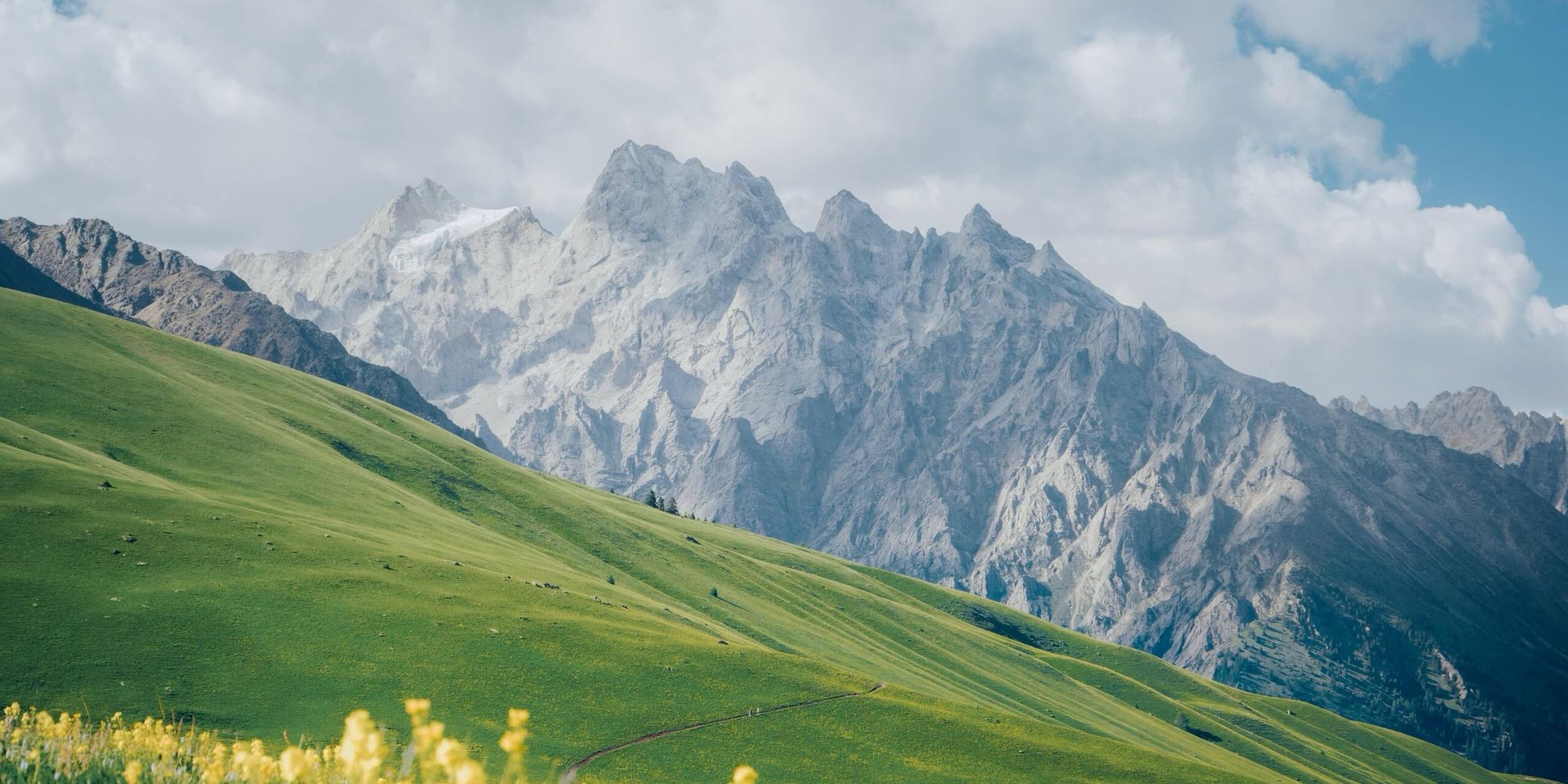
A focused journey into the high, sacred country of Mount Genyen — combining the world's high city of Litang, the wild pilgrim landscapes of the Genyen Southern Route, Tibetan grasslands and monasteries, and a sunset over Mount Gongga.
Two nights each in Xinduqiao and Litang give you time to acclimatize and explore properly. This route holds altitude above 4,000m for two full days and crosses a 4,770m pass — best suited to travelers who are genuinely comfortable at sustained elevation.
Perfect for
- Travelers who want the wild Genyen pilgrim country without Yading's crowds — in a tighter five-day window
- Those seeking raw, authentic Kham Tibetan culture: Litang, ancient monasteries, nomadic grasslands
- Photography enthusiasts drawn to plateau light, snow peaks, and open landscapes
- Travelers comfortable with sustained high altitude (3,400–4,770m)
- Anyone who prefers a focused, unhurried itinerary to an ambitious multi-destination rush
| Day | Route | Overnight | Drive |
|---|---|---|---|
| Day 1 | Chengdu → Tianquan → Kangding → Honghaizi Lake → Gedilam → Xinduqiao | Xinduqiao | ~410–430 km |
| Day 2 | Xinduqiao → Sky Road Eighteen Bends → Litang → Letong Ancient Town & Ke'er Monastery | Litang | ~200–210 km |
| Day 3 | Litang → Tiejiangshan Pass → Eye of Genyen → The Lone Tree → Zeba Hidden Valley → Litang | Litang | ~160–180 km |
| Day 4 | Litang → Xinduqiao → Mount Gongga Sunset Viewpoint | Xinduqiao | ~210 km |
| Day 5 | Xinduqiao → Tagong Grassland → Muya Monastery → Gunong Village → Chengdu | — | ~390–410 km |
We leave Chengdu in the morning and climb west on the expressway, off the Sichuan Basin and up to Kangding (2,560m), the historic gateway to the Kham Tibetan region, with a stop at the Tianquan service area along the way. Kangding has long been a meeting point of Han and Tibetan Sichuan, and the shift is visible almost immediately — prayer flags, Tibetan script on shopfronts, and the Zheduo and Gongga ranges rising on the horizon.
Beyond Kangding, the road turns onto the high Kangba route past Honghaizi Lake and the viewpoint of Gedilam — the "Sky City" — set on open highland around 4,200m, with sweeping plateau and snow-peak views in all directions. This stretch of the G318 is part of what many call China's own Route 66, a corridor of switchback roads and big-sky scenery that draws photographers and road-trippers from across the country.
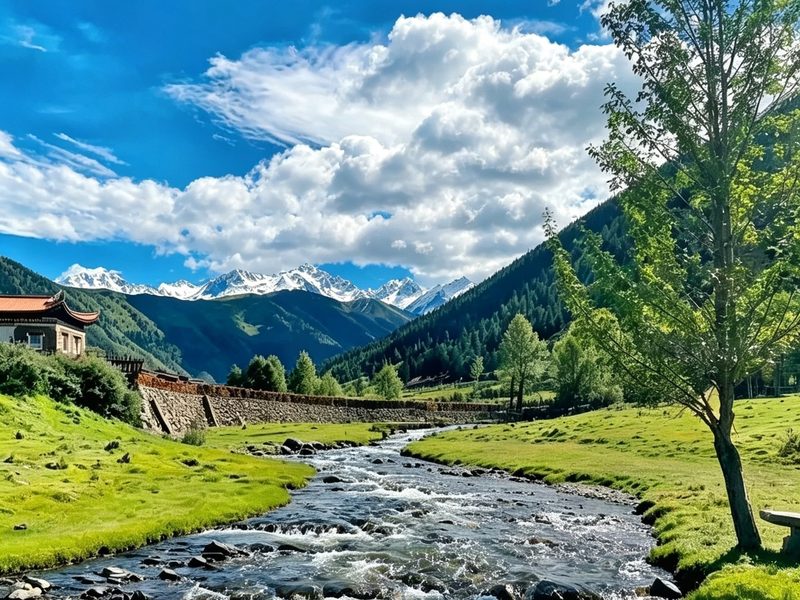
Toward evening we descend to Xinduqiao, a Tibetan town famous for its golden light falling across rolling pastures, farmhouses, and poplar groves — one of the most photogenic places in Western Sichuan. Its shifting seasonal colors — golden poplars in autumn, blossoms in spring — have made it a favorite stop for Chinese landscape photographers for decades.
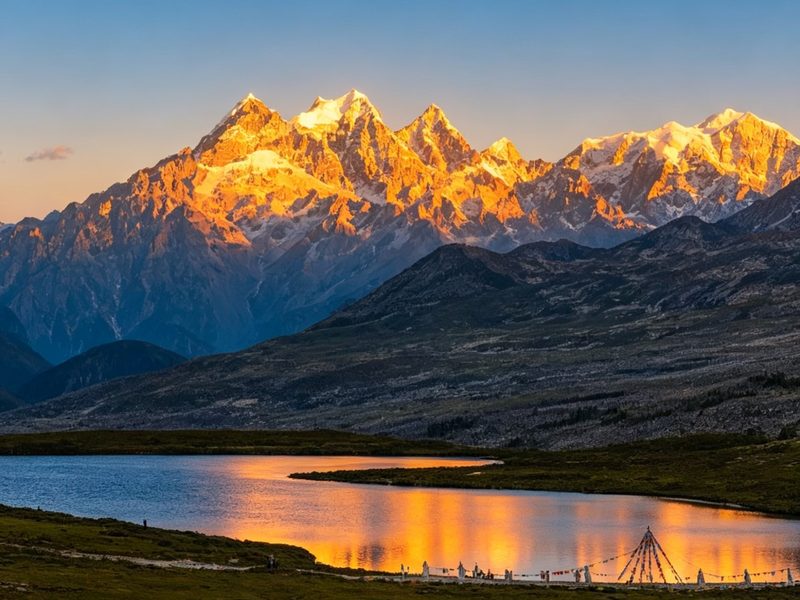
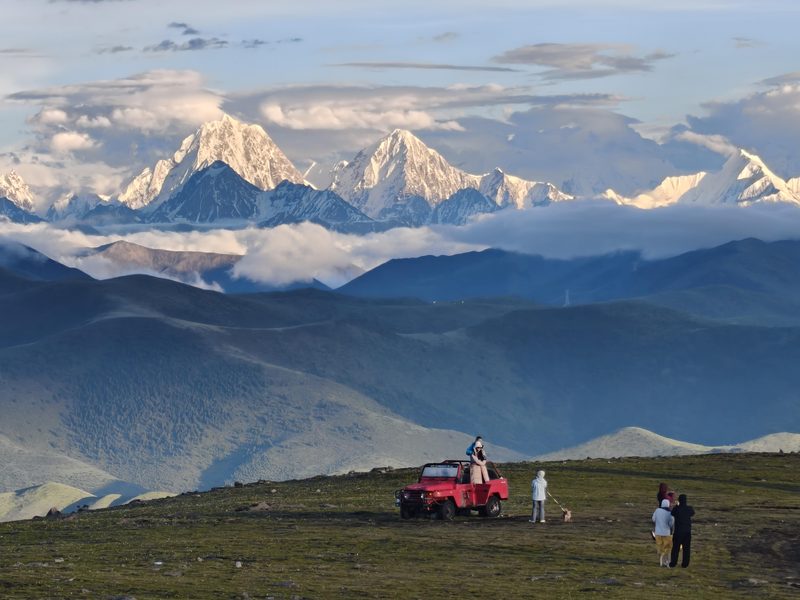
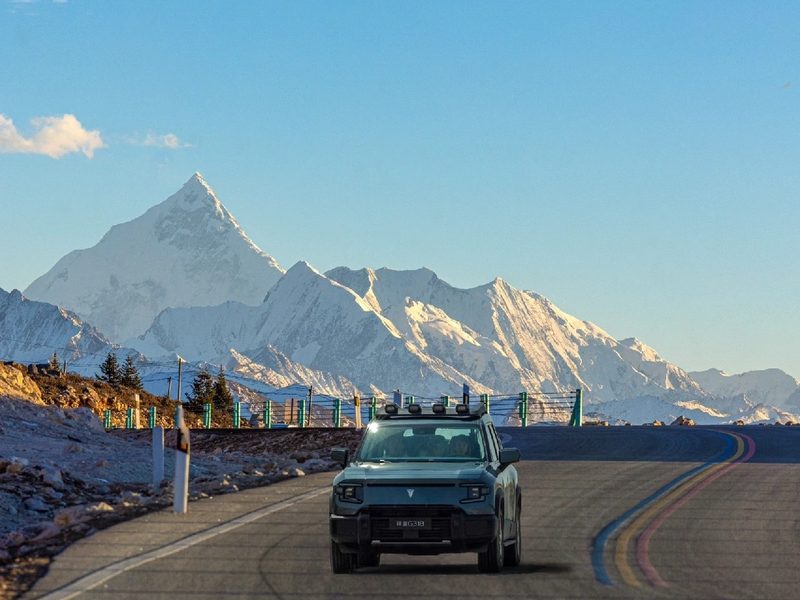
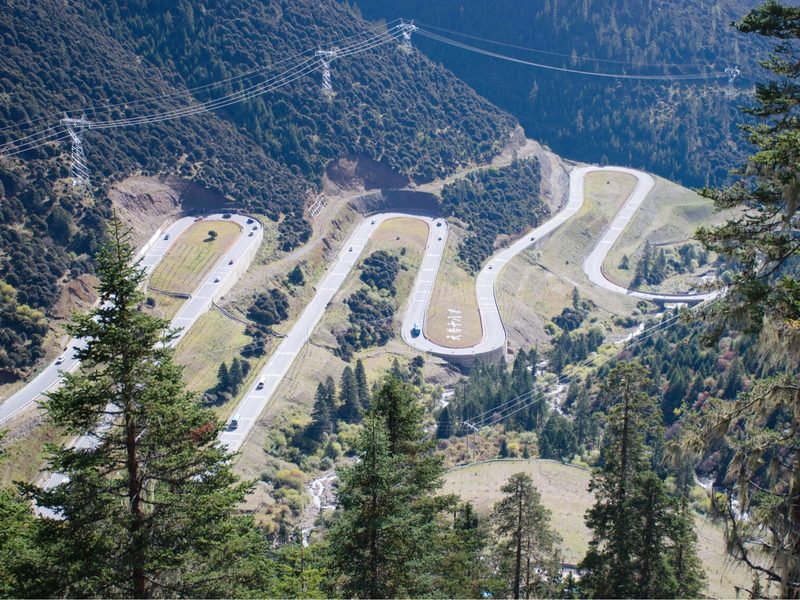
A relaxed morning start for a shorter, scenic driving day along the G318. We climb the Sky Road Eighteen Bends, a dramatic sequence of switchbacks with open plateau views from around 3,990m, then cross rolling grasslands and high passes to Litang (4,014m) — one of the highest towns on earth. Litang's elevation makes it one of the highest inhabited towns anywhere, and the thin, clear air gives the surrounding grassland an almost luminous quality in the late-afternoon light.
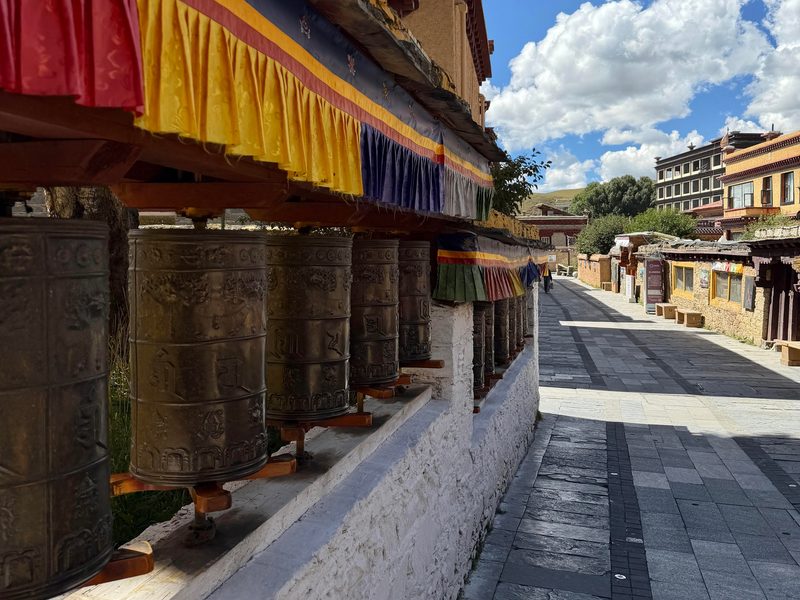
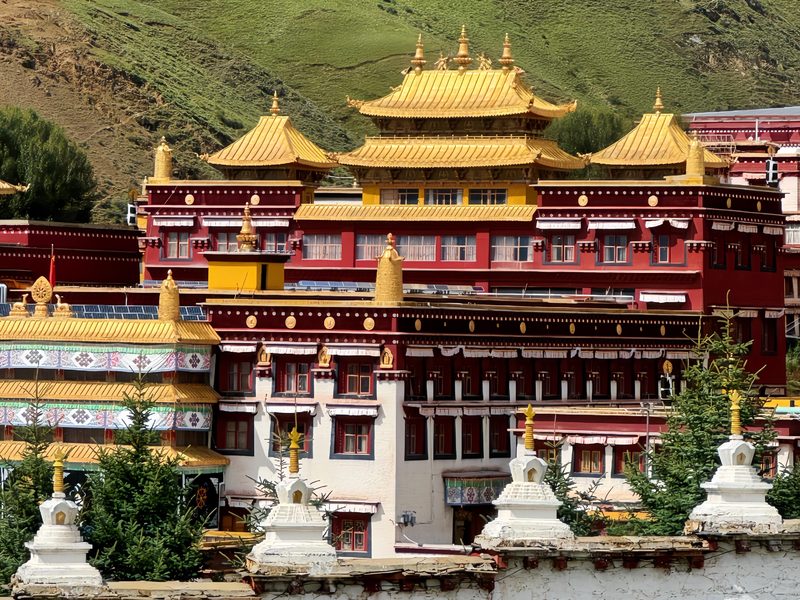
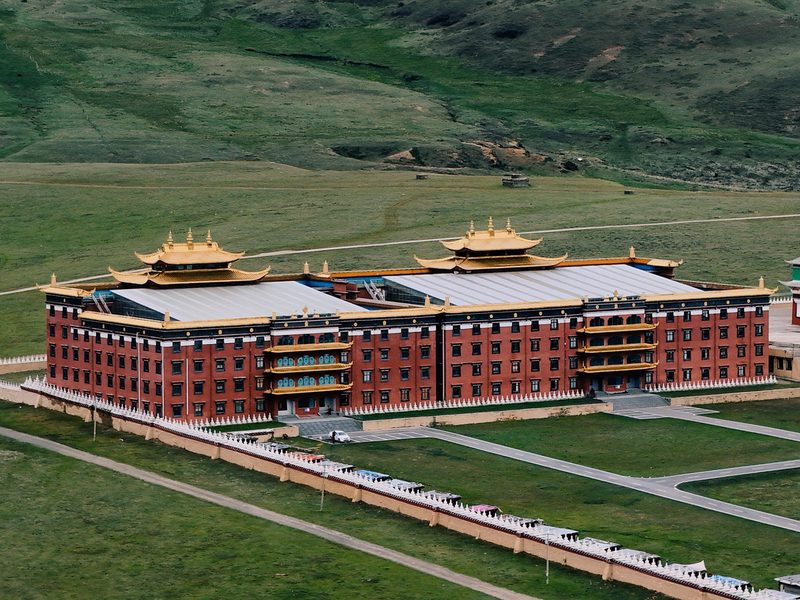
In the afternoon we explore the Letong Ancient Town, the old Tibetan quarter of whitewashed houses and prayer flags, and visit the Changqingchun Ke'er Monastery (Ganden Thubchen Choekhorling) — Litang's great 16th-century monastery and one of the most important in Kham. Inside, maroon-robed monks go about daily prayer and debate rituals that have continued largely unchanged for centuries, and the monastery's golden roofline is visible from much of the town below. We stay two nights here, giving your body a proper chance to adjust to the altitude.
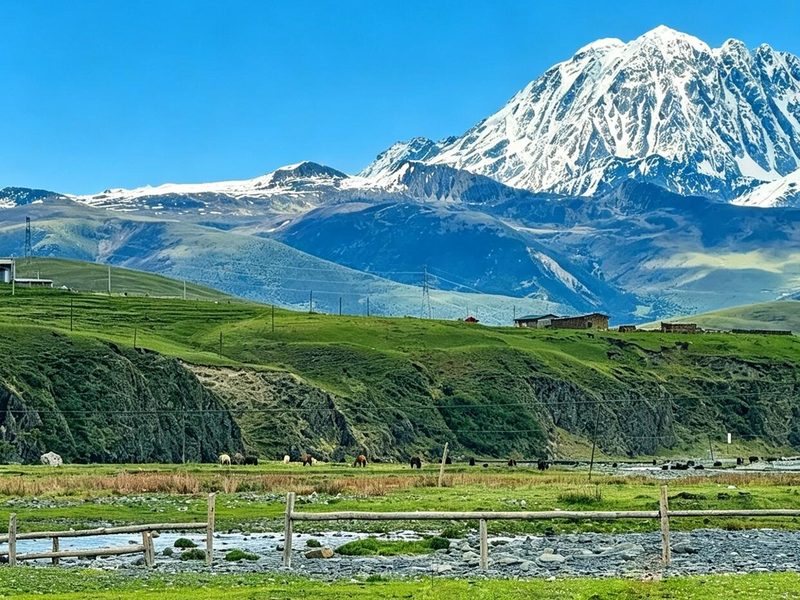
Today reaches into the wild, sacred landscape of the Genyen Southern Route, in the shadow of Mount Genyen (6,204m) — one of the holiest mountains in Tibetan Buddhism, sometimes called "the last Shangri-La." Pilgrims from across the Tibetan world make the journey here on foot, and the mountain is revered for its beauty and spiritual power, not simply for its height.
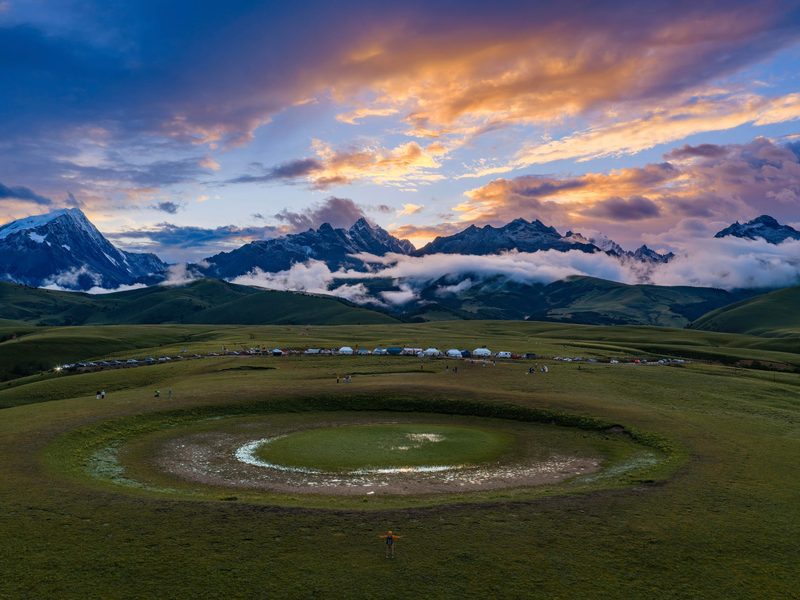
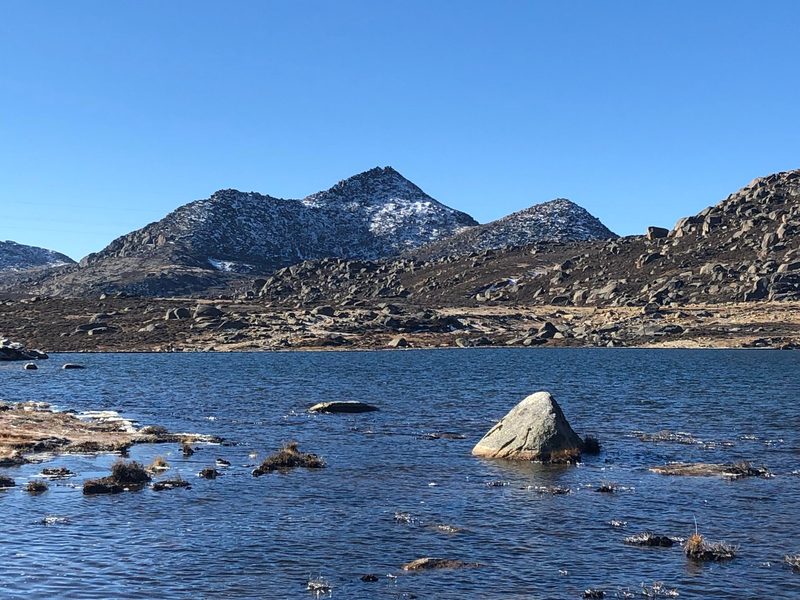
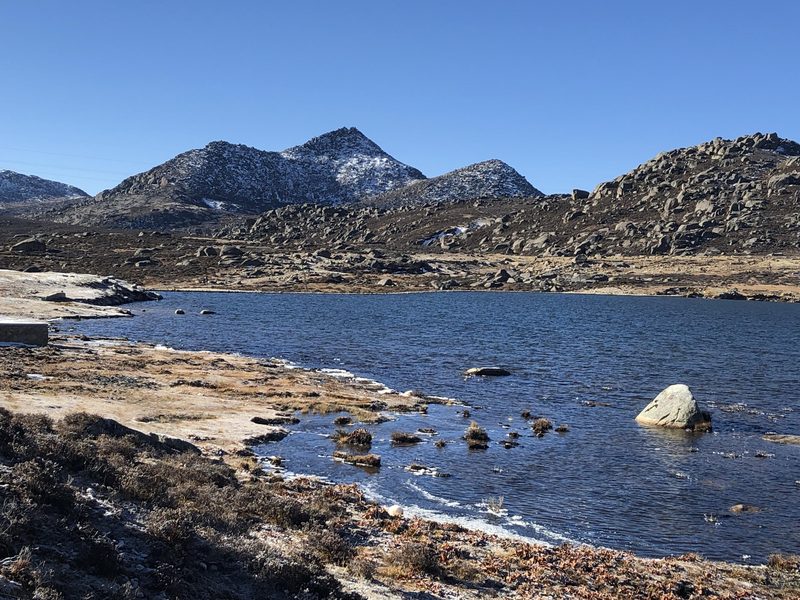
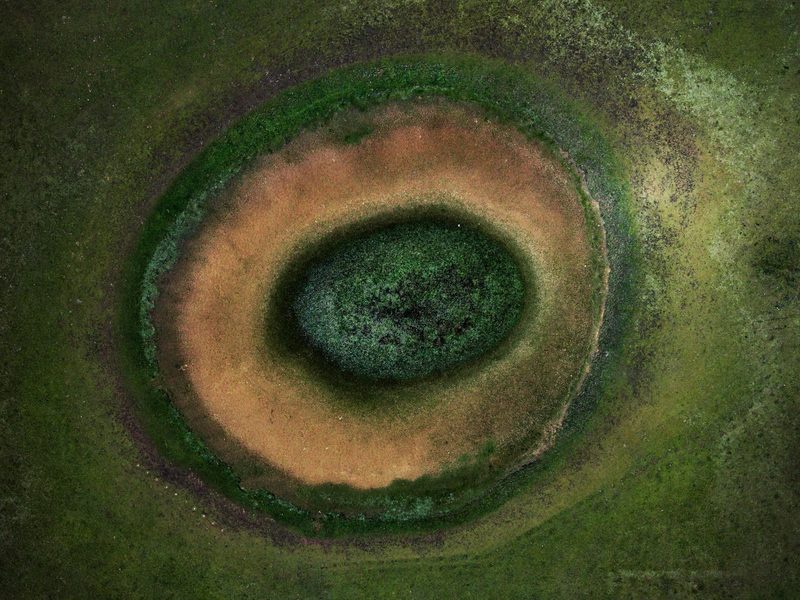
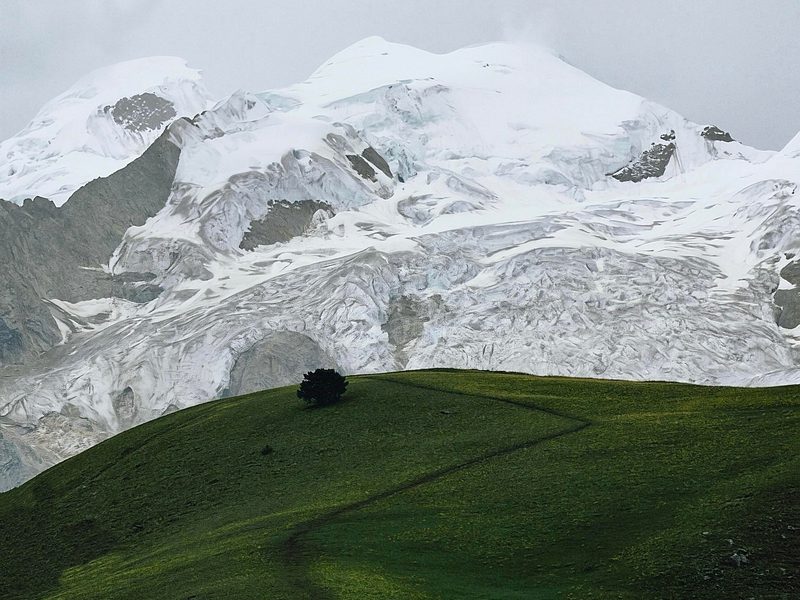
We cross the Tiejiangshan Pass (4,770m — the highest point of the trip) into open grassland and pilgrim country. The centerpiece is the Eye of Genyen, a near-perfectly round spring set into the meadow like an eye gazing up at the sky — some travelers compare it to a mirror laid flat into the earth, reflecting sky and cloud with almost no ripple on a calm day. Nearby stands the solitary Lone Tree on the wide-open plain, and the quiet, hidden Zeba Valley, where Tibetan homes and grazing yaks sit beneath the peaks. We return to Litang in the evening.
After breakfast, we drive back east on the G318 toward Xinduqiao, recrossing the high passes in the changing light. The familiar road reveals new angles and moods in the afternoon sun. Because this is a slower, more relaxed day, there's time to stop for photos wherever the light is good, and to look back on the passes and grasslands crossed at the start of the trip from a different perspective — many travelers say the road looks completely different heading the opposite direction.
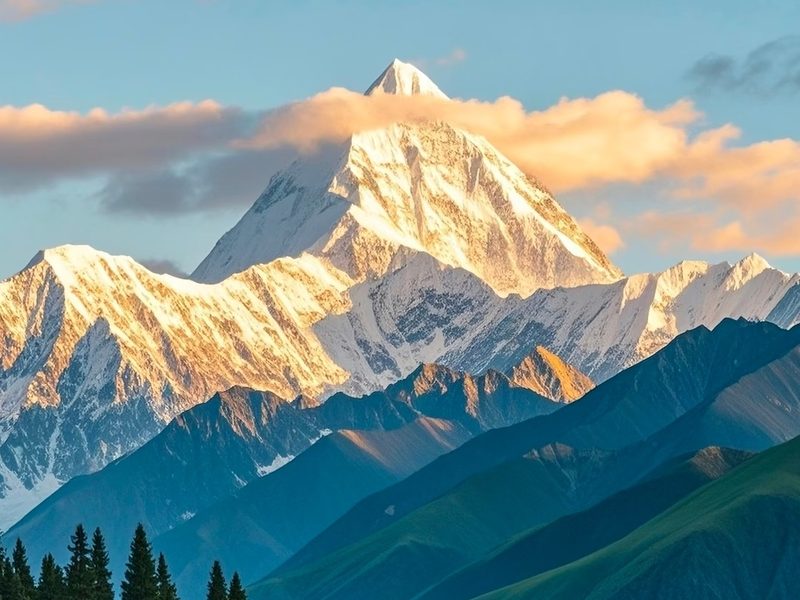
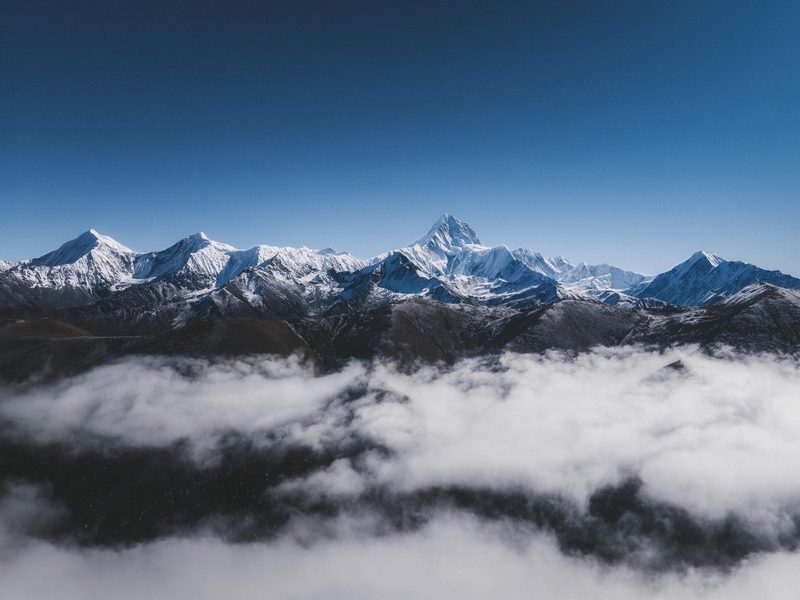
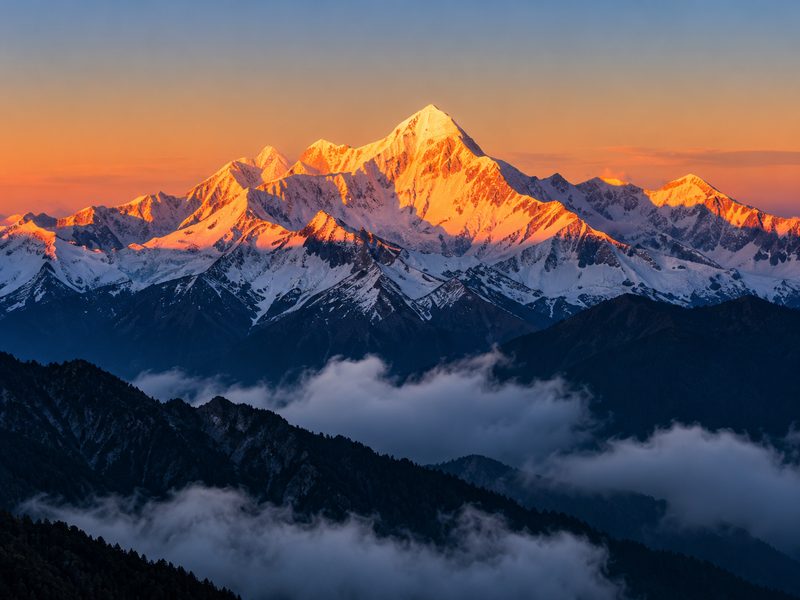
In the late afternoon, we head to a Mount Gongga sunset viewpoint. At 7,556m, Gongga is the "King of Sichuan Mountains," and on a clear evening its summit catches the last light in a deep alpenglow. Also known as Minya Konka, it is the highest peak in Sichuan and one of the most striking massifs on the eastern edge of the Tibetan Plateau — its glaciated summit is often wrapped in cloud during the day and only reveals itself fully at dawn or dusk, which is exactly why a clear sunset here is considered one of the trip's signature moments. Your guide will choose the best accessible viewpoint for the day's weather and your energy; bring your camera and be patient, the mountain rewards those who wait for the right light.
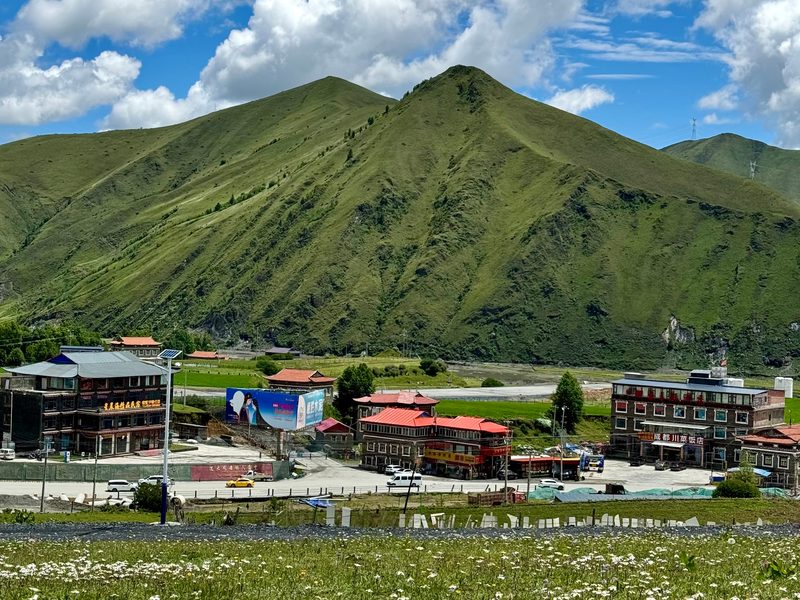
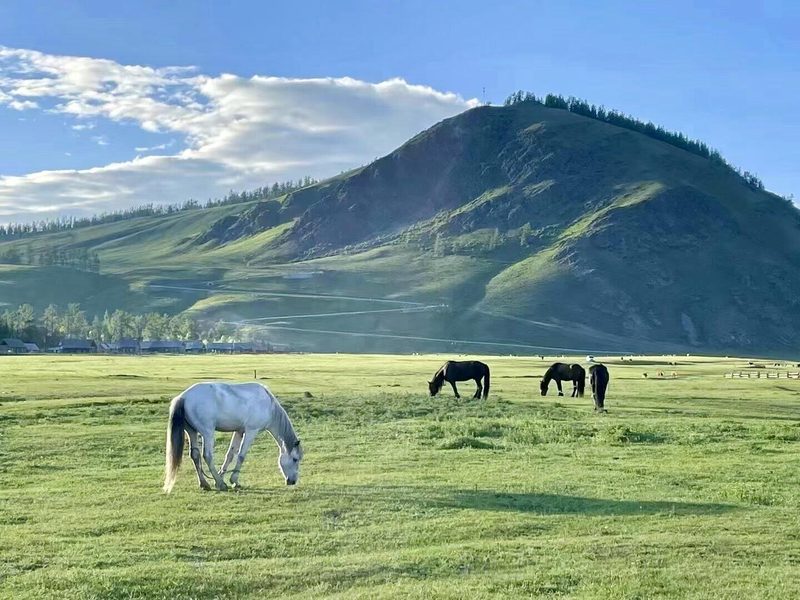
After breakfast, we drive north to the Tagong Grassland, where herds of yaks graze beneath the sacred Yala Snow Mountain. White stupas, prayer flags, and traditional Tibetan homes create one of the most iconic cultural landscapes in Western Sichuan. Tagong is one of the most photographed grasslands in the region, and the golden-roofed monastery at its center is a major pilgrimage site for Tibetan Buddhists from across Kham.
We visit Muya Monastery and continue to Gunong Village — a quiet Tibetan settlement facing Yala Snow Mountain, a final peaceful plateau scene before the road drops back to Chengdu. The descent from the plateau is dramatic in itself: vegetation thickens, the air warms, and within a few hours the high, bare grasslands give way to the green, humid Sichuan Basin — a fitting close to a trip built around that contrast. We arrive in the evening, completing our journey through the high plateau.
- Comfortable private vehicle with an experienced local driverFuel, tolls and road expenses included.
- Arrival transfer in ChengduPick-up from Chengdu Shuangliu Airport or railway station to your hotel.
- Entrance tickets to all scenic areas listed in the itinerary
- 4 nights of carefully selected accommodation based on your chosen package
- Daily hotel breakfastBreakfast included at your accommodation each morning.
- Travel photographyDSLR and drone footage included where weather, location and local regulations allow.
- Portable oxygen supply — one canister per person per day
- English-language support: digital audio guides plus 24/7 WhatsApp text assistance throughout the trip
- English-speaking guide available depending on your chosen packageA private English-speaking guide can be arranged as an optional upgrade.
- Additional in-scenic-area transportation and optional activitiesSuch as local motorbike rides, horse riding, etc.
- Lunches and dinnersMeals are left flexible so you can choose what and where you would like to eat.
- Personal expensesSuch as souvenirs and other personal purchases.
- Travel insurance
A focused Genyen experience
A compact route built around Litang and the wild pilgrim country of Mount Genyen, rather than racing across the whole plateau. Two full days at altitude, unhurried.
Time to acclimatize properly
Two nights each in Xinduqiao and Litang mean less repacking and more time to adjust to altitude and explore — a critical difference on a high-altitude itinerary.
Private travel makes the remote reachable
There is no convenient public transport into the Genyen Southern Route. A private vehicle makes these grassland roads accessible and lets the trip respond to weather and conditions.
Clothing
- Down jacket (essential even in summer)
- Windproof / shell jacket
- Warm base and mid-layers
- Hiking shoes with good grip
- Hat, gloves, and sunglasses
Daily Essentials
- Sunscreen and lip balm
- Insulated water bottle
- Portable charger / power bank
- Camera and drone equipment
- Motion sickness medication
For the Genyen Day
- Supplemental oxygen (recommended)
- Light snacks and energy bars
- Small day pack
- Rain jacket or compact rain gear
- Headlamp (for Gongga sunset walk)
Documents & Practicalities
- Passport or required ID
- Cash (card machines scarce in remote areas)
- Altitude medication (consult your doctor)
- Travel insurance documents
Ready to explore Genyen?
Message us with your travel dates and group size — we'll send a full quote within a few hours.