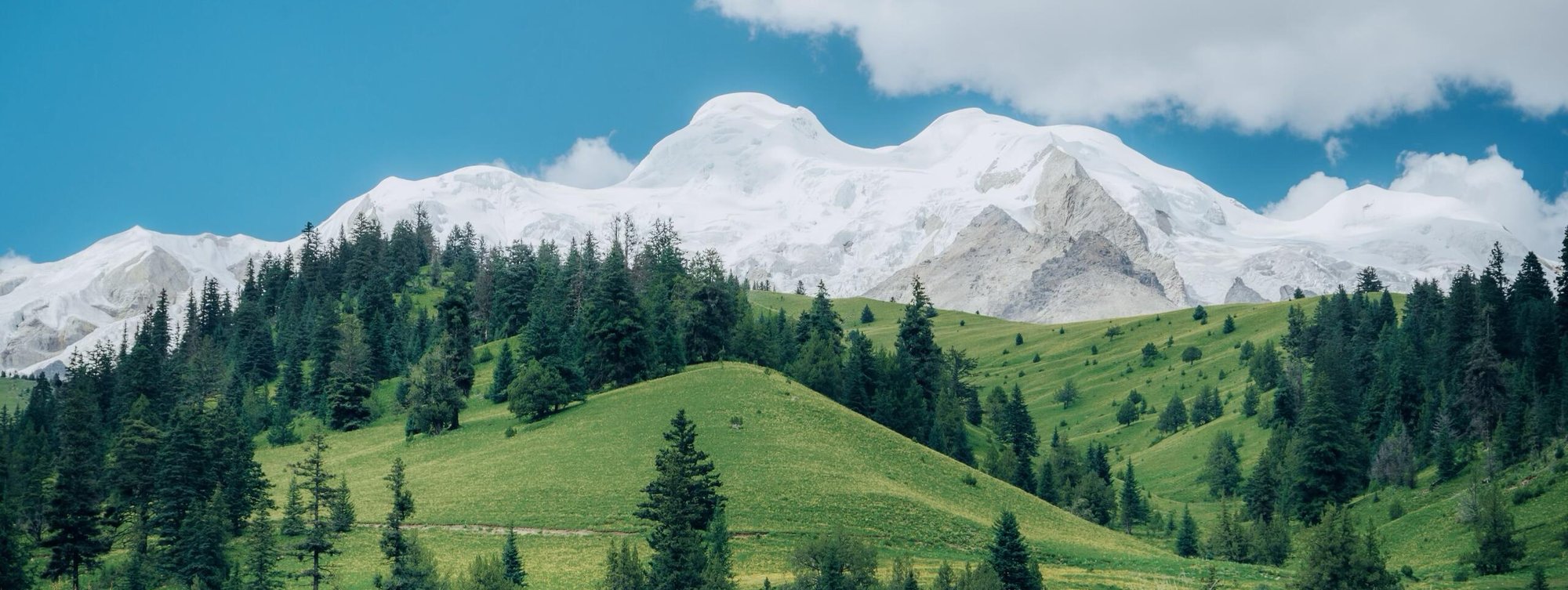
The most complete way to experience Sichuan in one trip — from the Giant Buddha of Leshan and the ancient tea gardens of Ya'an, up through the Tibetan Plateau's snow mountains and grasslands, and back down through giant pandas and the 3,000-year-old Sanxingdui civilization near Chengdu.
This is a deliberately unhurried itinerary. Three nights based in Xinduqiao remove the need for constant repacking, and the two lowland bookend days — Leshan and Ya'an at the start, Dujiangyan and Sanxingdui at the end — give the trip a gentler rhythm than a plateau-only route. If you only have one trip to see Sichuan's full range, this is the itinerary that covers it.
Perfect for
- Travelers who want the fullest possible picture of Sichuan in one trip
- First-time visitors who don't want to choose between Chengdu-area icons and the high plateau
- Those who prefer an unhurried, well-paced itinerary over a packed sightseeing checklist
- Photography enthusiasts and drone flyers
- Couples, friends, and small groups seeking variety without sacrificing depth at altitude
| Day | Route | Drive | Altitude |
|---|---|---|---|
| Day 1 | Chengdu → Leshan Giant Buddha → Niunianping Tea Garden → Ya'an | ~270 km | Up to ~1,000m; overnight Ya'an ~600m |
| Day 2 | Ya'an → Kangding → Honghaizi Lake → Gedilam → Xinduqiao | ~250 km | Up to ~4,200m; overnight ~3,300m |
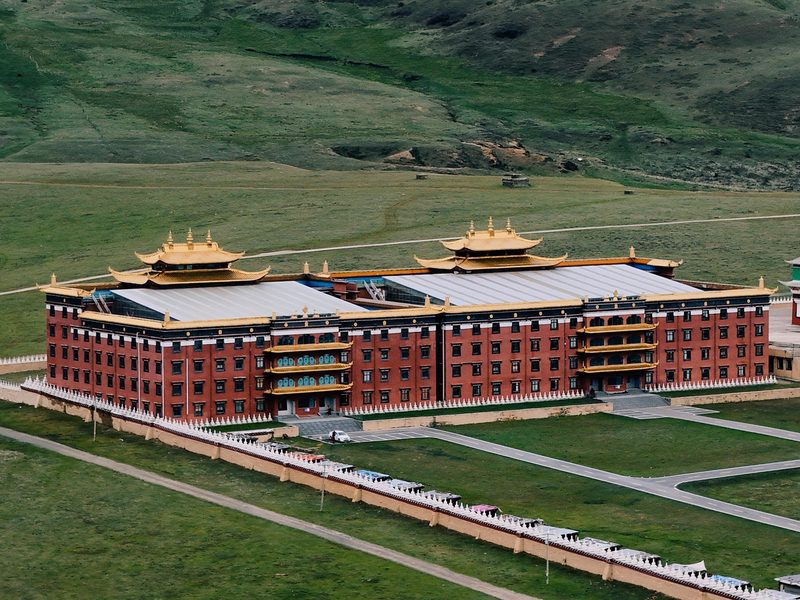
| Day 3 | Xinduqiao → Tibetan Buddhist Monastery → Jiagenba Valley → Mount Gongga Viewpoint → Xinduqiao | ~100 km | Up to ~4,700m; overnight ~3,300m |
| Day 4 | Xinduqiao → Tagong Grassland → Gunong Village → Muya Monastery → Xinduqiao | ~120 km | ~3,700m; overnight ~3,300m |
| Day 5 | Xinduqiao → Moshi Stone Park → Mount Yala Viewpoint → Jiaju Tibetan Village, Danba | ~200 km | Down to ~1,800m; overnight ~1,800m |
| Day 6 | Jiaju Tibetan Village → Siguniang Mountain → Balang Mountain Tunnel → Dujiangyan | ~310 km | Up to ~3,850m → descend to ~600m |
| Day 7 | Dujiangyan → Dujiangyan Panda Base → Sanxingdui Museum → Chengdu | ~150 km | Low altitude throughout |
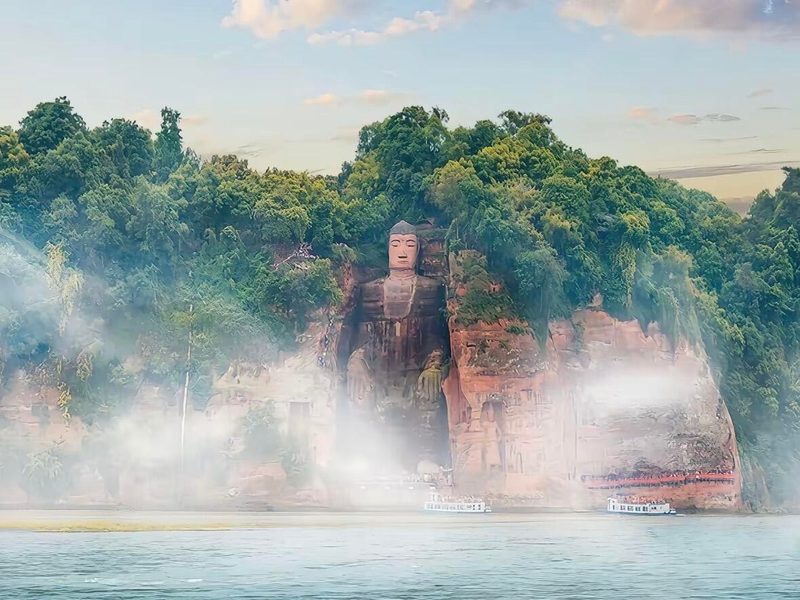
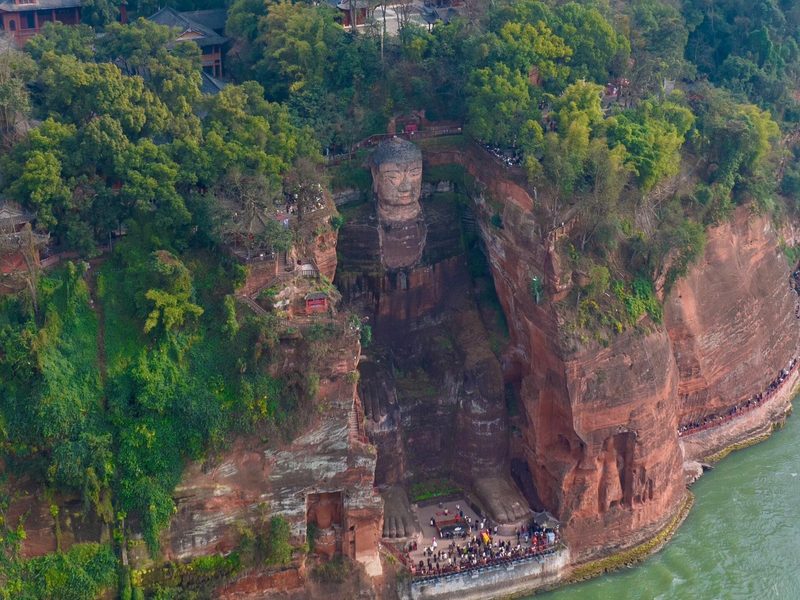
We leave Chengdu in the morning and drive south to Leshan, home to the Leshan Giant Buddha — carved into a cliff face over 1,200 years ago and, at 71 metres, the tallest stone Buddha statue in the world. Overlooking the confluence of three rivers, it's one of Sichuan's most iconic sights and a UNESCO World Heritage Site. Carved directly into the riverside cliff by monks over the course of ninety years, the statue was built partly to calm the turbulent waters below — legend holds that so much rock was displaced into the river during construction that the currents genuinely eased.
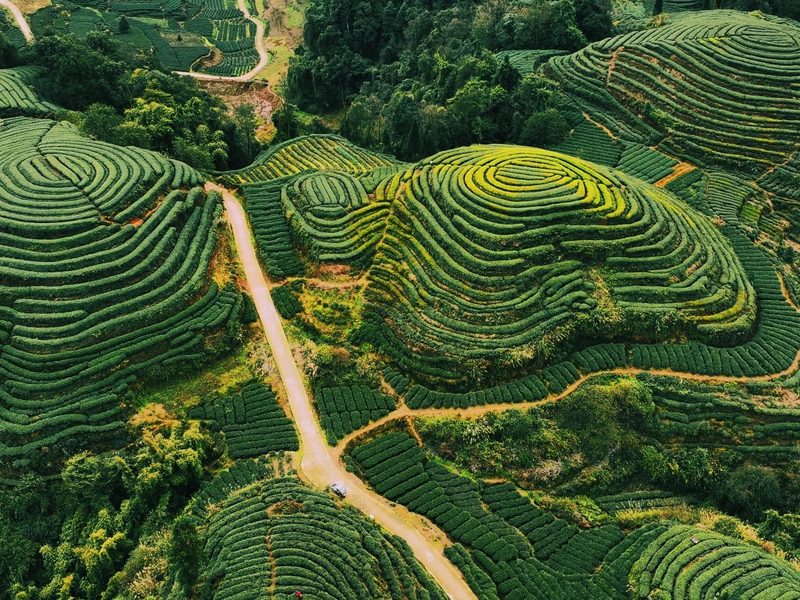
From Leshan we continue to Niunianping Tea Garden in Ya'an — a region historically recognized as one of the birthplaces of Chinese tea cultivation. Rolling tea terraces curve across the hillsides, and, season permitting, you can walk among the tea bushes and try a freshly brewed cup grown right where you're standing.
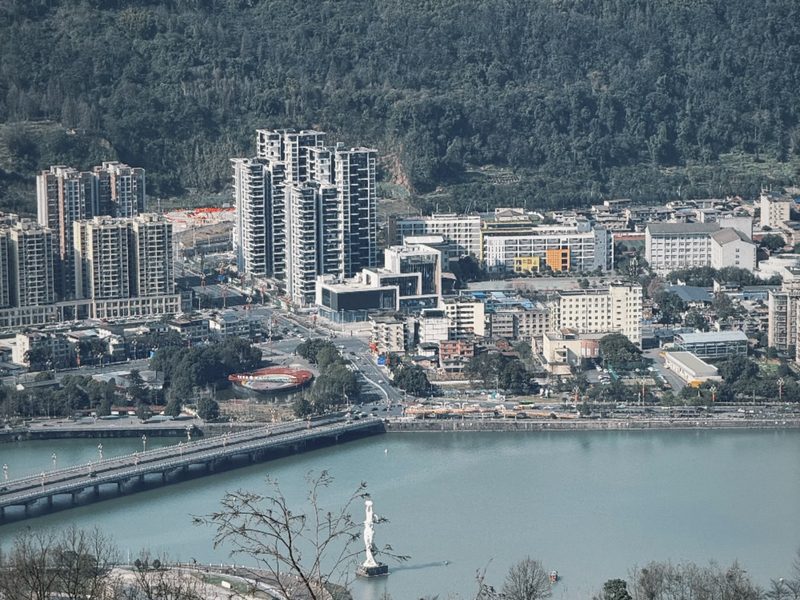
Tonight we stay in Ya'an, a green, low-altitude city that has long served as the gateway between the Sichuan Basin and the Tibetan Plateau — a comfortable, relaxed first night before the road climbs tomorrow. Ya'an's relaxed pace and lower elevation make it an easy first stop before the altitude gain that begins in earnest tomorrow.
Today is the trip's main climb. We leave Ya'an and continue along the G318 Highway — often called China's Route 66 for its legendary road-trip scenery — through Kangding, the traditional gateway town between the Sichuan Basin and the Tibetan Plateau. This is also the point where the character of the drive changes — the wide valleys and terraced farmland of the Sichuan Basin give way to open grassland and bare mountain ridgelines as the road gains altitude.
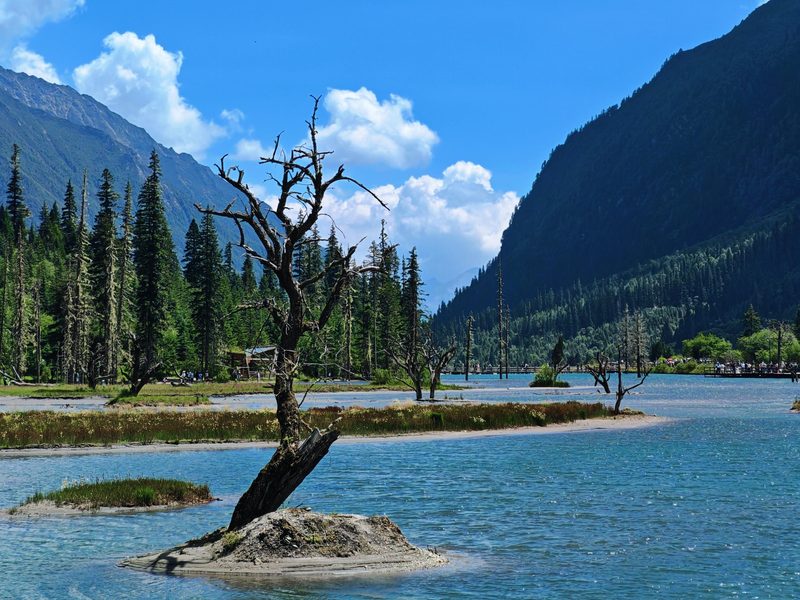
We stop at Honghaizi Lake, a peaceful alpine lake ringed by snow peaks and grassland, before continuing to Gedilam viewpoint — known locally as the "Sky City" — where the view opens across endless ranges of highland peaks. On a clear day, the reflections on Honghaizi Lake's still water are some of the most photogenic on the entire route, and Gedilam's nickname comes from the feeling of standing above the clouds on the open plateau.
Tonight we arrive in Xinduqiao, a Tibetan town known for its light and wide valleys — our base for the next three nights. Xinduqiao has long been a favorite among Chinese landscape photographers for its shifting seasonal light — golden poplars in autumn, blossoms in spring — and being based here for three nights means there's no need to rush the experience.
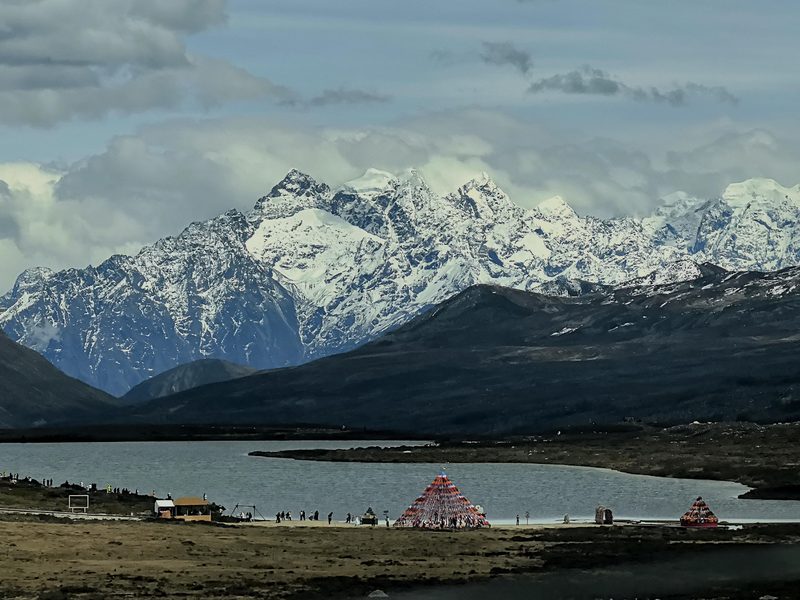
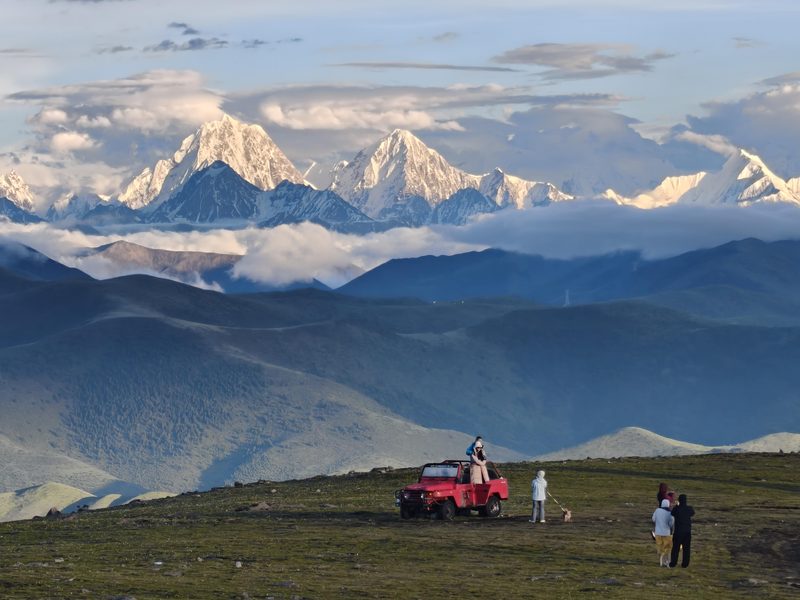
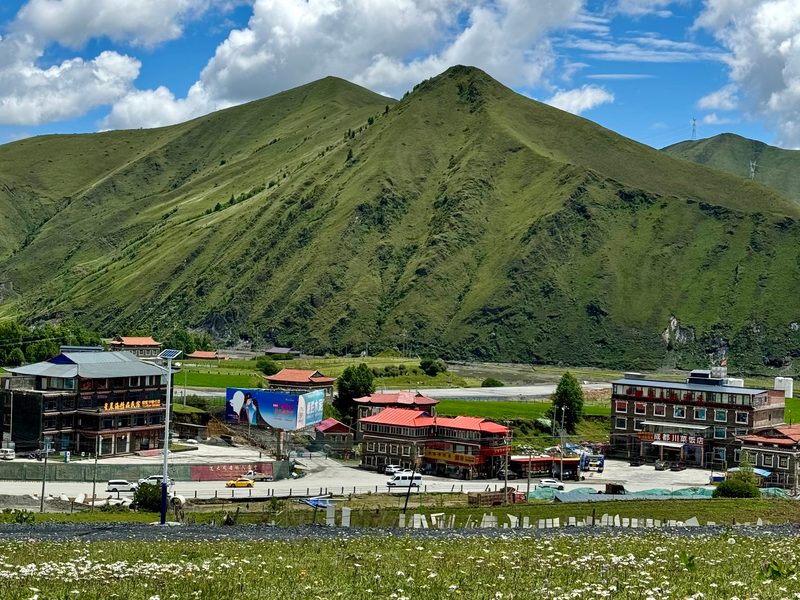
Today is intentionally slower. We begin with a visit to a small Tibetan Buddhist monastery near Xinduqiao, a quiet introduction to plateau religious life before heading into the valleys. Even a short visit gives a sense of the quieter, more contemplative side of plateau life, away from the main road.
In the morning, we explore the hidden valleys around Jiagenba, where streams wind through grasslands beneath snow-covered peaks. Streams braid through the open grassland here, and it's common to see yak herders moving their animals between pastures — one of the more peaceful, unscripted scenes of the trip.
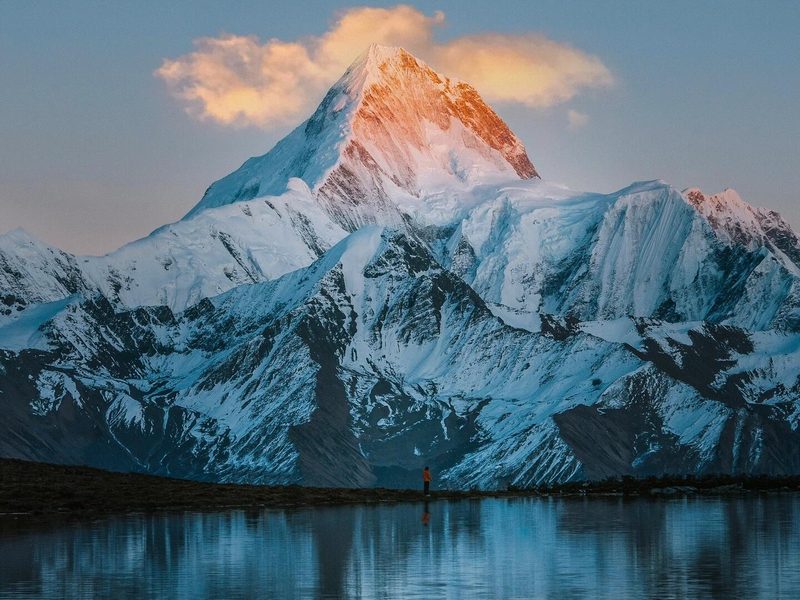
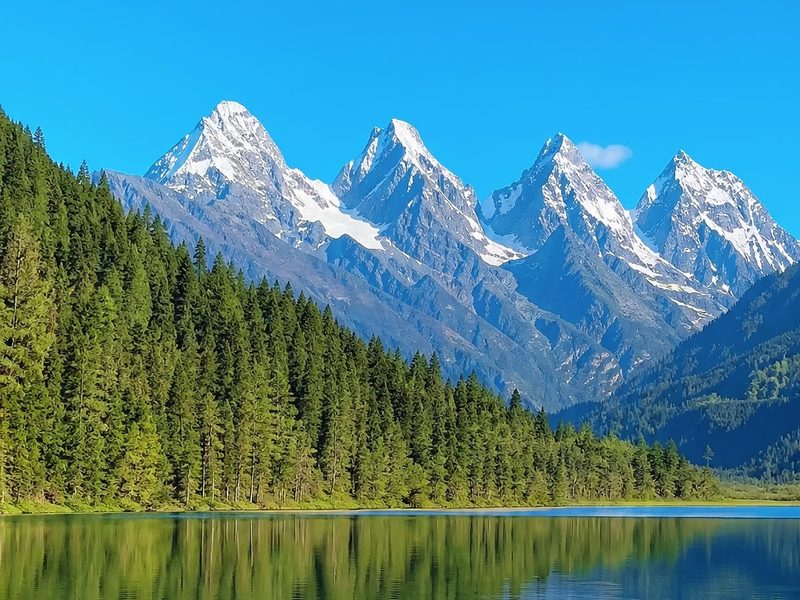
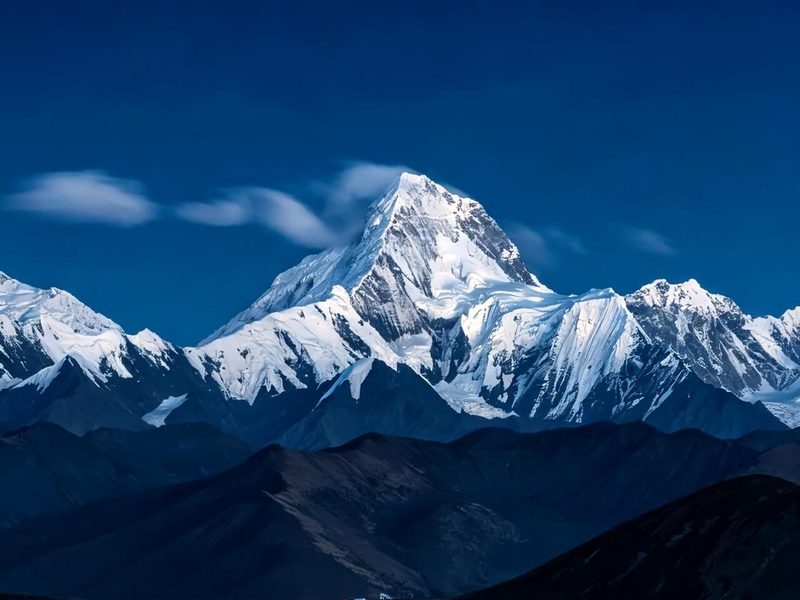
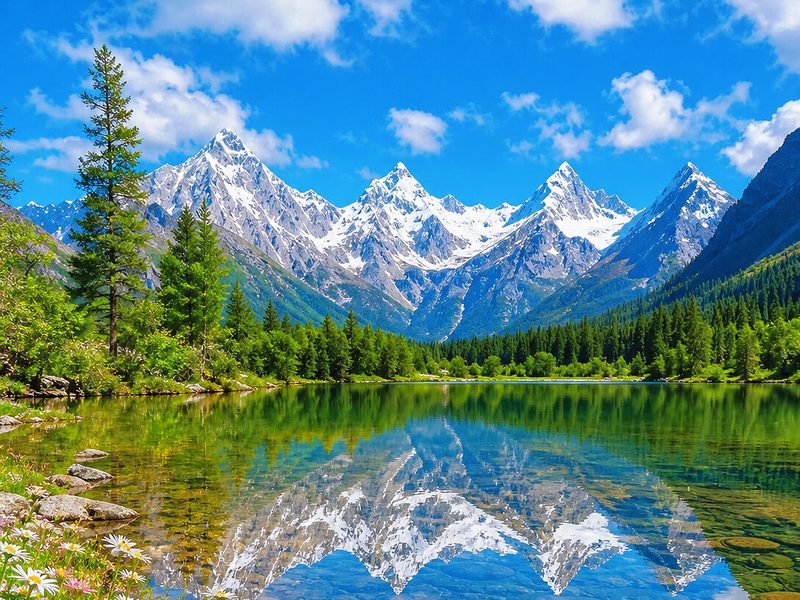
In the afternoon, we head toward the Mount Gongga Viewpoint near Muyacuo / Tinong Valley — one of the best lesser-known spots for seeing Mount Gongga (Minya Konka), the highest mountain in Sichuan at 7,556m. As the sun sets, the snow peaks gradually turn gold — one of the most iconic moments of the Tibetan Plateau. Gongga's glaciated summit is often wrapped in cloud by day and only reveals itself fully at dawn or dusk, which is exactly why a clear sunset here is considered one of the trip's defining moments.
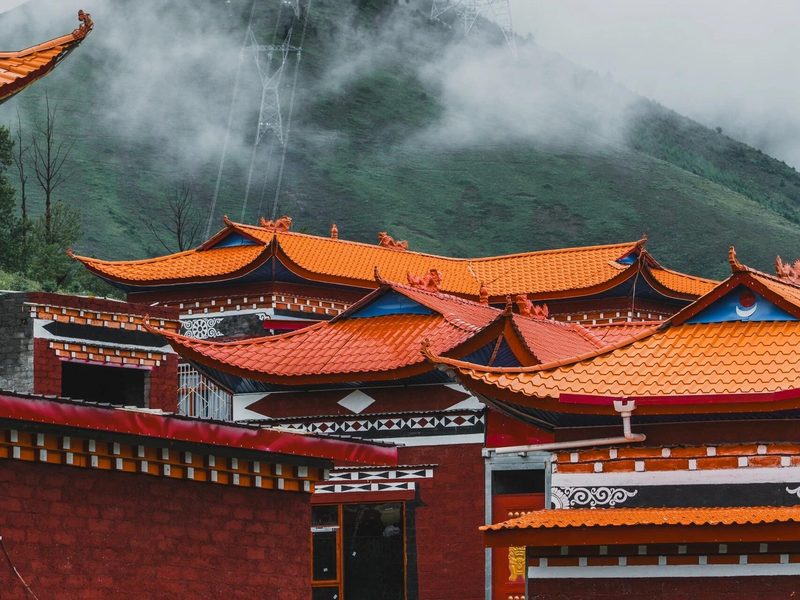
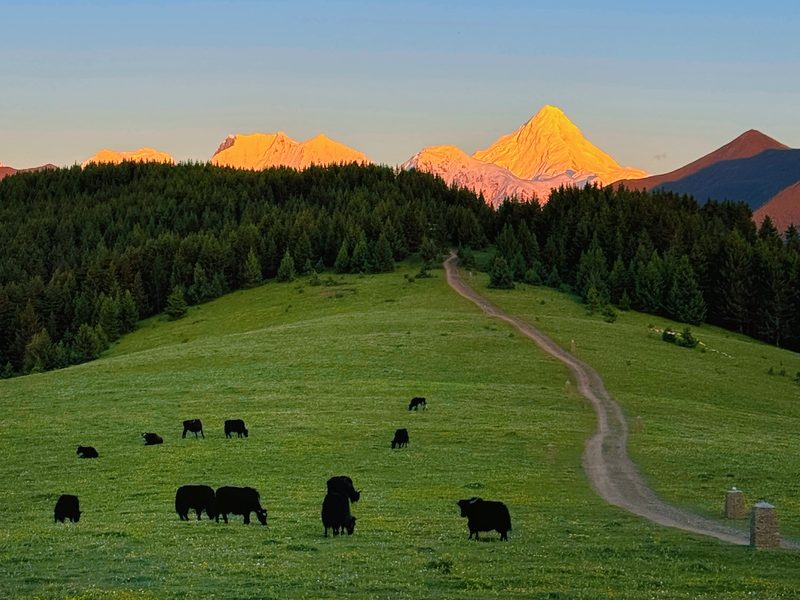
Today focuses on Tibetan culture and open plateau landscapes. We begin in Tagong Grassland, where herds of yaks graze beneath the sacred Yala Snow Mountain. White stupas, prayer flags, and traditional Tibetan homes create one of the most iconic cultural landscapes in Western Sichuan. Tagong is one of the most photographed grasslands in the region, and its golden-roofed monastery is a major pilgrimage site for Tibetan Buddhists from across Kham.
We then visit Lhagang Monastery (Tagong Monastery), a peaceful Tibetan Buddhist monastery surrounded by grasslands and mountains. In the afternoon, we continue to Gunong Village, a quiet Tibetan settlement facing Yala Snow Mountain.
Before returning, we stop at Muya Monastery, representing the distinct Muya Tibetan culture of this part of the plateau. Its quieter, less-visited atmosphere makes for a peaceful contrast to the busier monastic complexes elsewhere on the route.
Tonight we return to the same hotel in Xinduqiao — no unnecessary hotel changes.
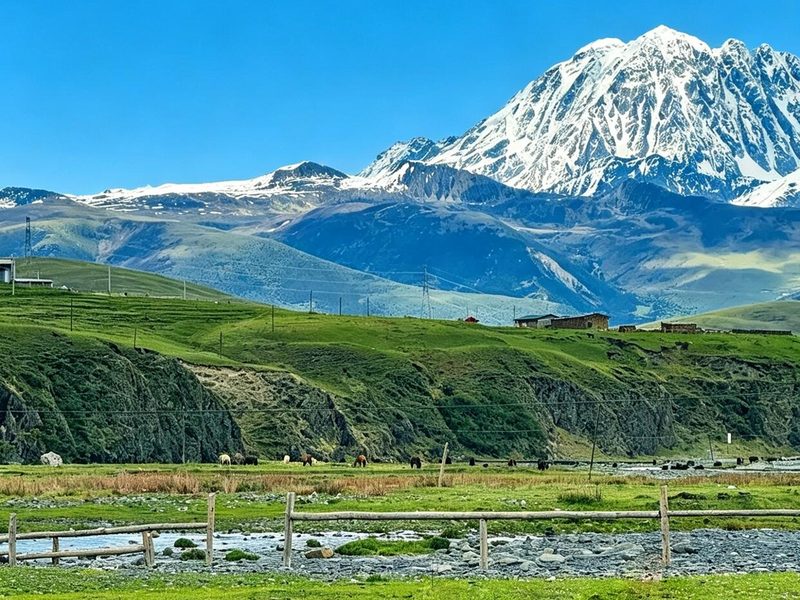
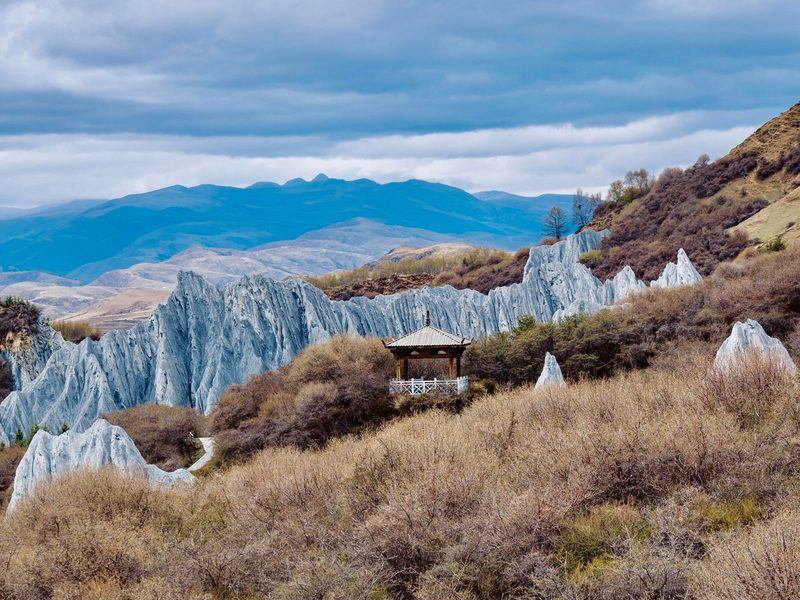
We leave Xinduqiao and stop at Moshi Stone Park, a geological wonder of dramatic high-altitude dark rock formations that create an almost surreal, cinematic landscape — unlike anywhere else in China.
From there we continue to a dedicated Mount Yala Viewpoint — the same sacred snow peak seen from Tagong Grassland yesterday, now viewed up close.
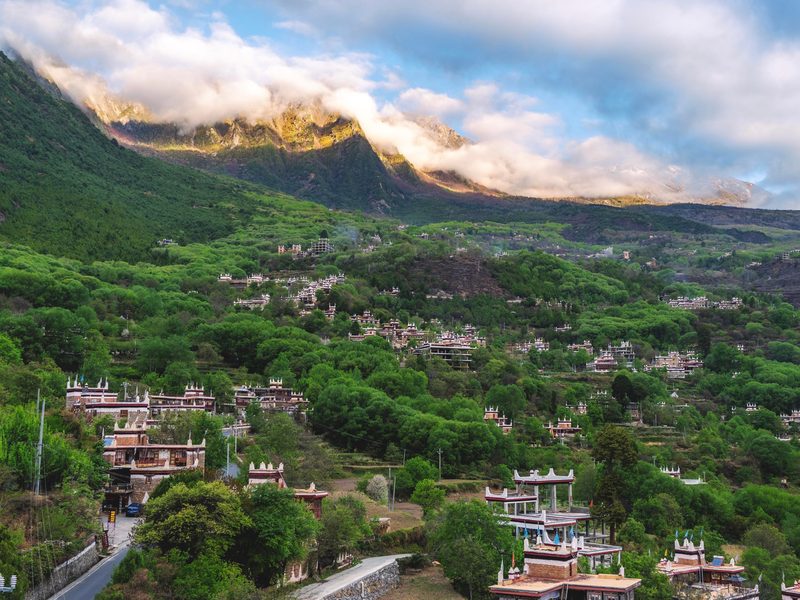
We then continue along one of the most scenic mountain roads in Western Sichuan toward Jiaju Tibetan Village, one of the most photogenic watchtower villages in the Danba region, with traditional stone houses scattered across a terraced hillside. The descent into the Danba river valley drops altitude dramatically.
Tonight we stay with a local Tibetan family in Jiaju Tibetan Village — many travelers feel more comfortable here after several days at higher altitude, and it's a chance for a more personal, homestay-style evening. Jiaju's terraced hillside setting, framed by traditional watchtowers, is considered one of the most photogenic Tibetan villages in all of Western Sichuan, especially in the soft afternoon light.
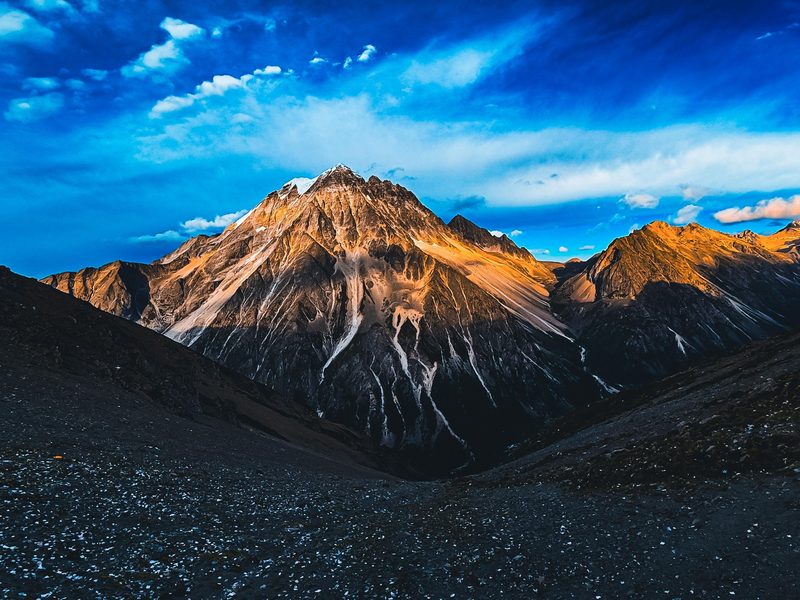
We leave Jiaju Tibetan Village and travel toward the Siguniang Mountain region — often referred to as the Alps of China. We explore Shuangqiao Valley using the park's eco-shuttle system, taking in glacier valleys, pine forests, rivers, and snow mountain viewpoints without requiring difficult hiking. Weather permitting, Maoni Ridge Viewpoint offers a panoramic view of the four Sister Peaks — the highest, Yaomei Peak, reaches 6,250m. Shuangqiao Valley is often called the most accessible of Siguniang Mountain's three valleys, and its glacier-fed rivers and forested slopes have made it a favorite for both casual sightseeing and serious landscape photography.
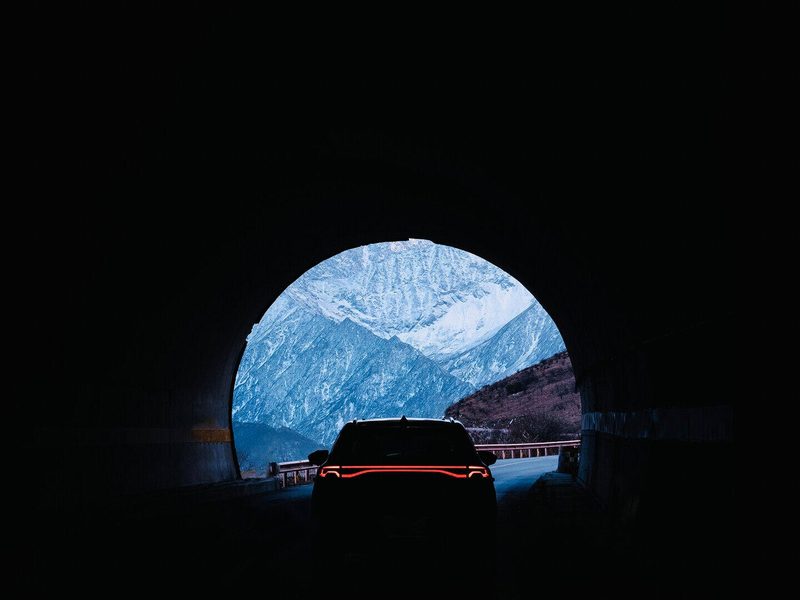
In the afternoon, we cross the Balang Mountain Tunnel — the route we always use here, avoiding the higher, weather-exposed mountain pass — and descend back toward the Sichuan plains.
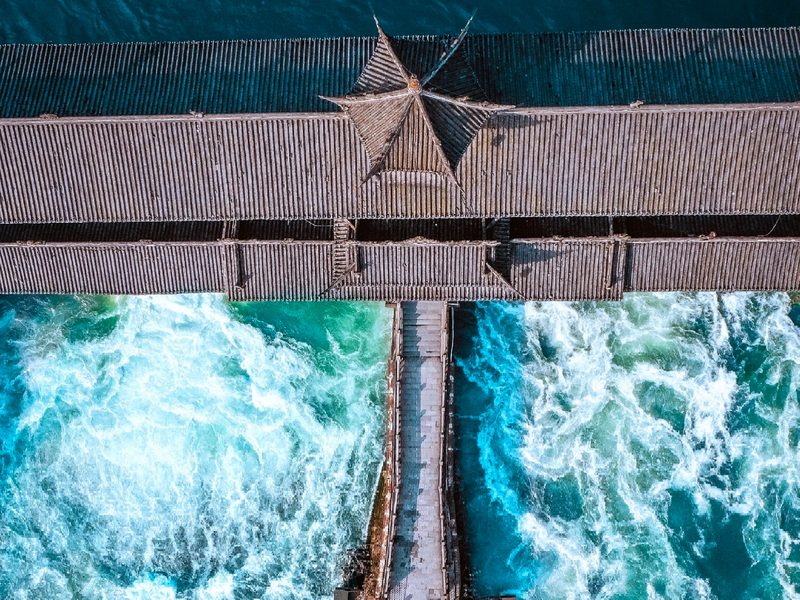
Tonight we stay in Dujiangyan, a low-altitude city at the edge of the plateau, setting up an easy final day tomorrow. Dujiangyan sits at the edge of the Chengdu Plain, and its milder, greener scenery is a clear sign the plateau section of the trip is behind you.
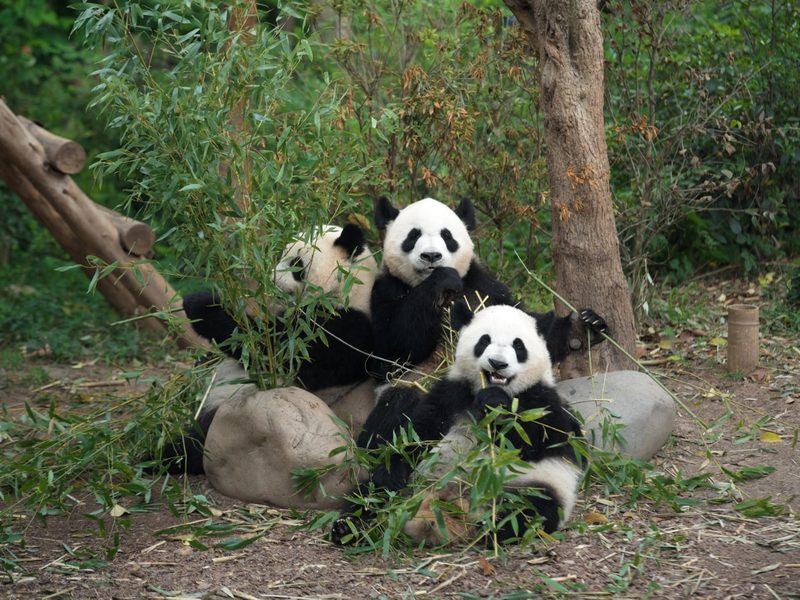
This morning we visit the China Conservation and Research Center for the Giant Panda — Dujiangyan Base, a quieter, less-crowded alternative to the base inside Chengdu city, where you can see pandas in a more spacious, forested setting. Being deliberately less crowded than Chengdu's more famous panda center, it allows a more relaxed, unhurried visit with better opportunities to watch the pandas' natural behavior.
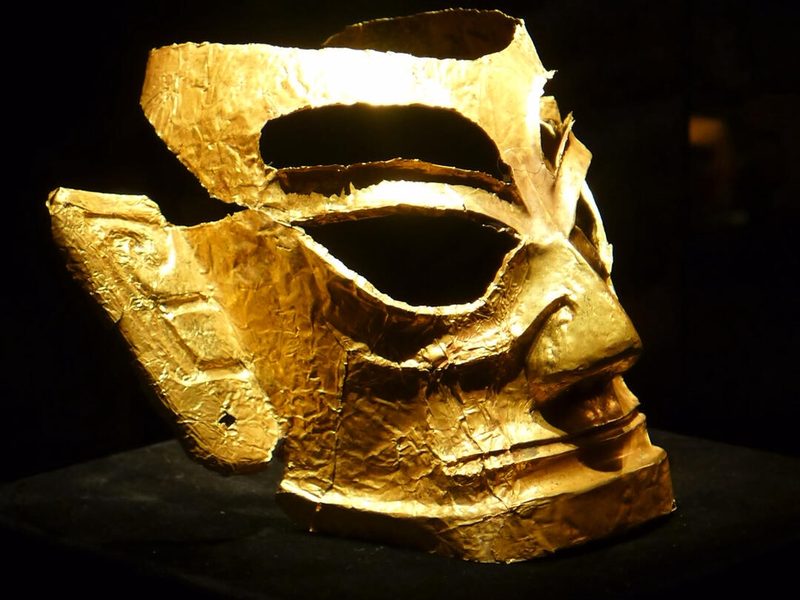
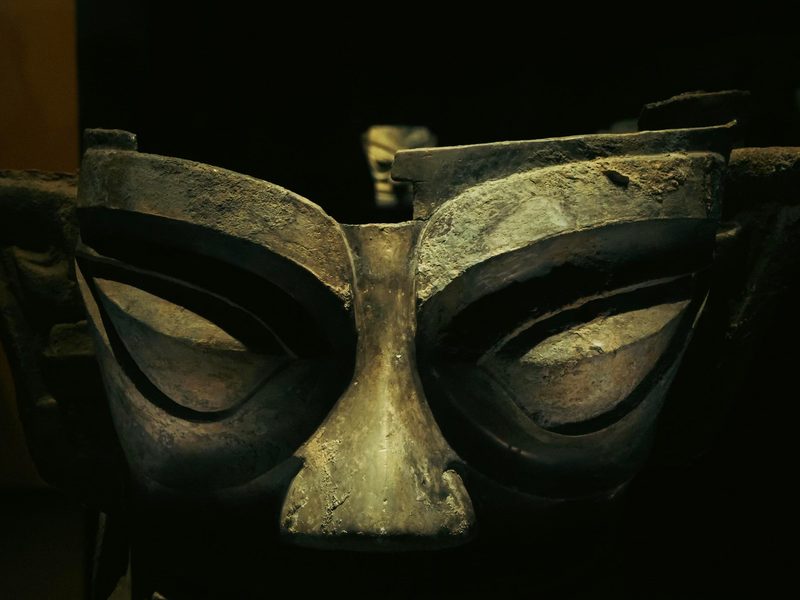
We then continue to the Sanxingdui Museum in Guanghan, home to one of China's most significant archaeological discoveries — extraordinary bronze masks, gold artifacts, and sculptures from a mysterious ancient kingdom dating back over 3,000 years, unlike anything else found in China. The bronze masks in particular — with their exaggerated features and striking scale — have puzzled archaeologists since their discovery, and remain one of the most talked-about finds in modern Chinese archaeology.
In the afternoon we return to Chengdu, marking the end of the journey.
- Comfortable private vehicle with an experienced local driverFuel, tolls and road expenses included.
- Arrival transfer in ChengduPick-up from Chengdu Shuangliu Airport or railway station to your hotel.
- Entrance tickets to all scenic areas listed in the itinerary
- 6 nights of carefully selected accommodation based on your chosen package
- Daily hotel breakfastBreakfast included at your accommodation each morning.
- Travel photographyDSLR and drone footage included where weather, location and local regulations allow.
- Portable oxygen supply — one canister per person per day
- English-language support: digital audio guides plus 24/7 WhatsApp text assistance throughout the trip
- English-speaking guide available depending on your chosen packageA private English-speaking guide can be arranged as an optional upgrade.
- Additional in-scenic-area transportation and optional activitiesSuch as local motorbike rides, horse riding, etc.
- Lunches and dinnersMeals are left flexible so you can choose what and where you would like to eat.
- Personal expensesSuch as souvenirs and other personal purchases.
- Travel insurance
The most complete Sichuan itinerary we offer
Ancient culture (Leshan Buddha, Sanxingdui), giant pandas, tea heritage, and the full Tibetan Plateau experience, all in one trip.
A gentler pace at both ends
Low-altitude days in Ya'an, Dujiangyan, and Chengdu bookend the plateau section, easing both the ascent and the return.
Three nights in one base
Xinduqiao removes constant hotel changes and allows deeper exploration of the surrounding valleys, grasslands, and villages.
A homestay night in Jiaju Tibetan Village
A more personal, immersive alternative to another hotel night, right in the heart of the watchtower villages.
Clothing
- Light layers for Day 1 & Day 7 (Leshan/Ya'an/Chengdu are warm and low-altitude)
- Down jacket or shell jacket
- Comfortable walking or hiking shoes
- Warm base layers
- Hat, gloves, and sunglasses
Daily Essentials
- Sunscreen (high-altitude UV is intense)
- Lip balm (high-altitude air is very dry)
- Portable charger / power bank
- Reusable water bottle
For the Plateau
- Camera / drone equipment
- Light snacks or energy bars
- Rain gear for mountain weather
- Small day pack / backpack
Health & Safety
- Motion sickness tablets
- Altitude sickness tablets (consult doctor)
- Personal medications
- Some cash for remote areas
Ready for the grandest Sichuan journey?
Message us with your travel dates and group size — we'll send you a full quote and details within a few hours.