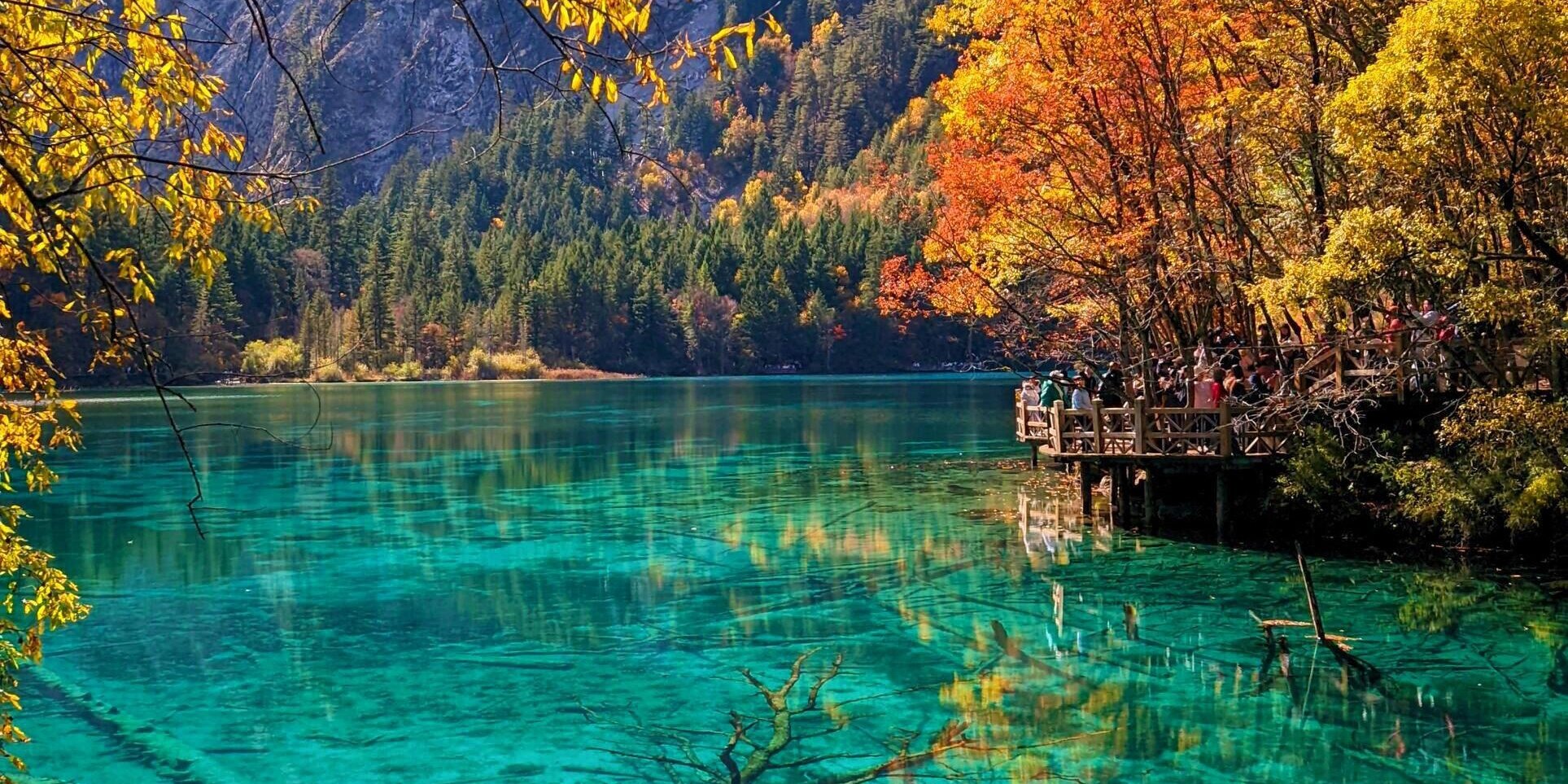
From the lowland plains of Chengdu to the snow valleys of Siguniang Mountain, through the ancient Qiang-Tibetan corridor, to the color-shifting lakes of Jiuzhaigou and the mineral terraces of Huanglong — a giant panda base along the way, and a smooth high-speed train home at the end.
This route brings together four of northern Sichuan's most distinctive experiences without placing two extreme long-distance driving days at the beginning and end of the trip. Instead of rushing directly from Chengdu to Jiuzhaigou, the journey unfolds gradually — and the landscapes in between are part of the experience too.
Perfect for
- First-time Sichuan visitors combining pandas, Siguniang Mountain, Jiuzhaigou, and Huanglong
- Travelers who love snow peaks, alpine forests, color-shifting lakes, and high-altitude landscapes
- Photography enthusiasts who want real moments — scenic areas and the road in between
- Those curious about the Tibetan and Qiang cultural regions of northwest Sichuan
- Travelers comfortable with mountain roads and elevations approaching 4,000 meters
| Day | Route | Overnight | Drive |
|---|---|---|---|
| Day 1 | Chengdu → Dujiangyan → Wolong Panda Base → Siguniang Mountain Town | Siguniang Mountain Town | ~215 km |
| Day 2 | Shuangqiao Valley → Qiang Cultural Village → Maoxian | Maoxian | ~215 km |
| Day 3 | Maoxian → Songpan Ancient Town → Jiuzhaigou Entrance | Jiuzhaigou (night 1 of 2) | ~240 km |
| Day 4 | Jiuzhaigou National Park — full-day visit | Jiuzhaigou (night 2 of 2) | Shuttle buses + walking |
| Day 5 | Jiuzhaigou → Huanglong → Huanglong-Jiuzhai Station → Chengdu by train | — | ~155 km road + high-speed train |
Depart Chengdu in the morning; your guide will confirm the exact pickup time and location the evening before.
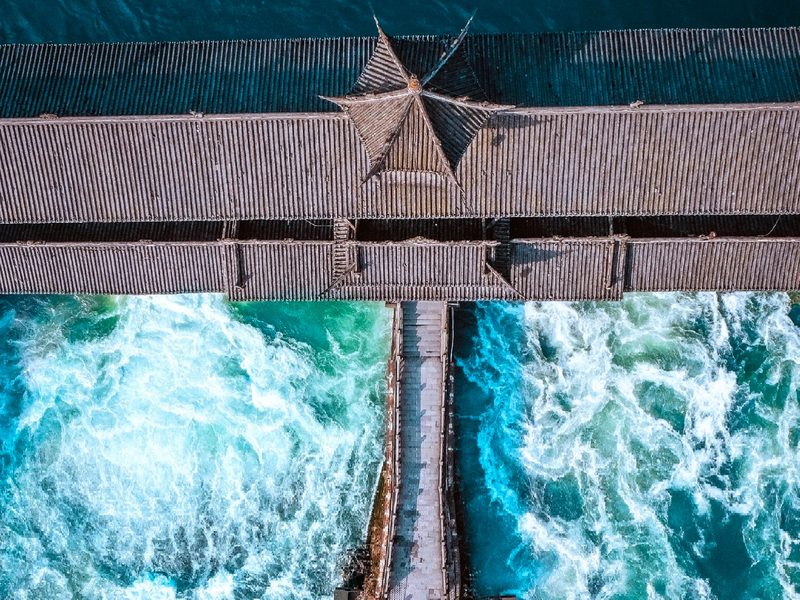
The first stop is the Dujiangyan Scenic Area. Built in the 3rd century BC — over 2,300 years ago, older than the Roman aqueducts — the Dujiangyan Irrigation System still plays an active role in watering the Chengdu Plain today. Rather than relying on a dam, it uses the natural flow and topography of the Min River to divide water, control sediment, reduce flooding, and distribute irrigation. One of the most remarkable feats of ancient engineering anywhere in the world.
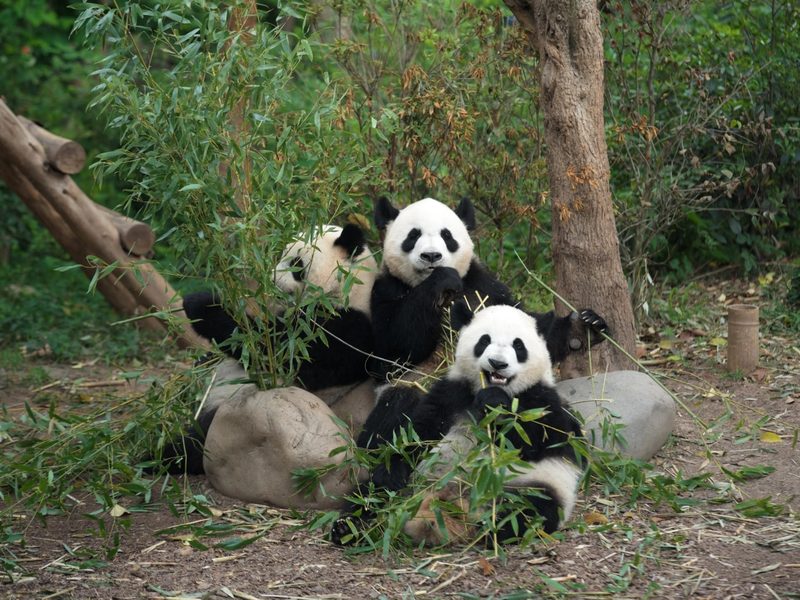
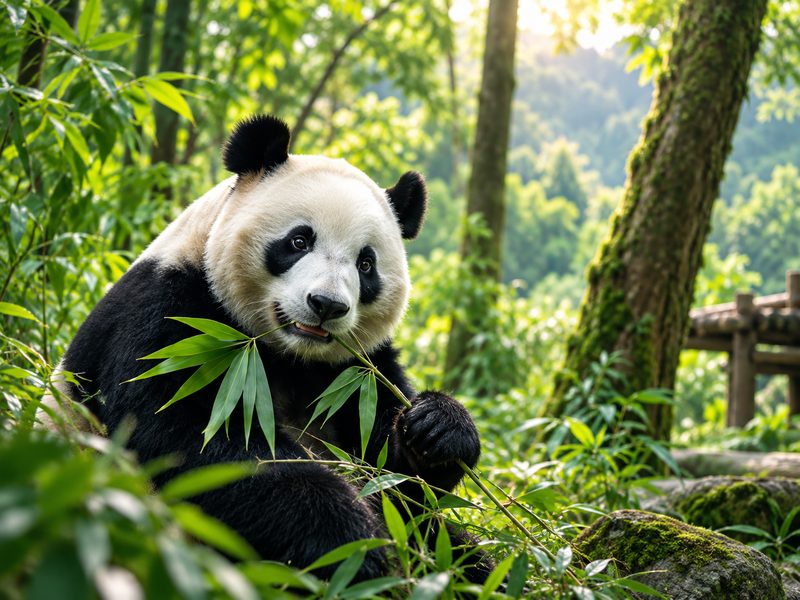
In the afternoon, continue west along the G350 "Panda Highway" toward Wolong, and visit the Shenshuping base of the China Conservation and Research Center for the Giant Panda. The base carries out breeding, research, veterinary care, rewilding training, wild-release study, and public education. During the visit you can watch giant pandas at close range in a cool mountain setting close to their natural habitat at around 1,700m.
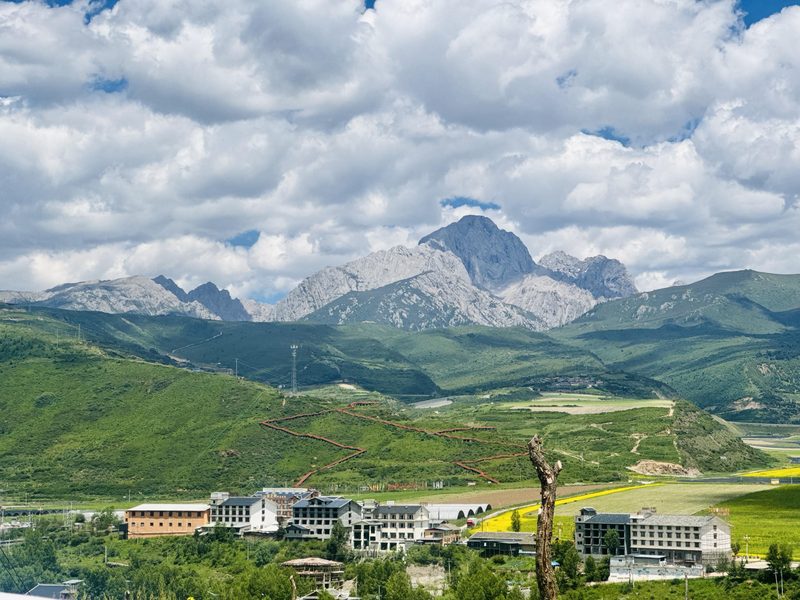
From Wolong the road climbs steeply and crosses the Balang Mountain Tunnel — 8.8 km long, with portals near 3,850m — lifting you over the range. On the far side the landscape opens into Siguniang country. Arrive at Siguniang Mountain Town (~3,200m) in the late afternoon.
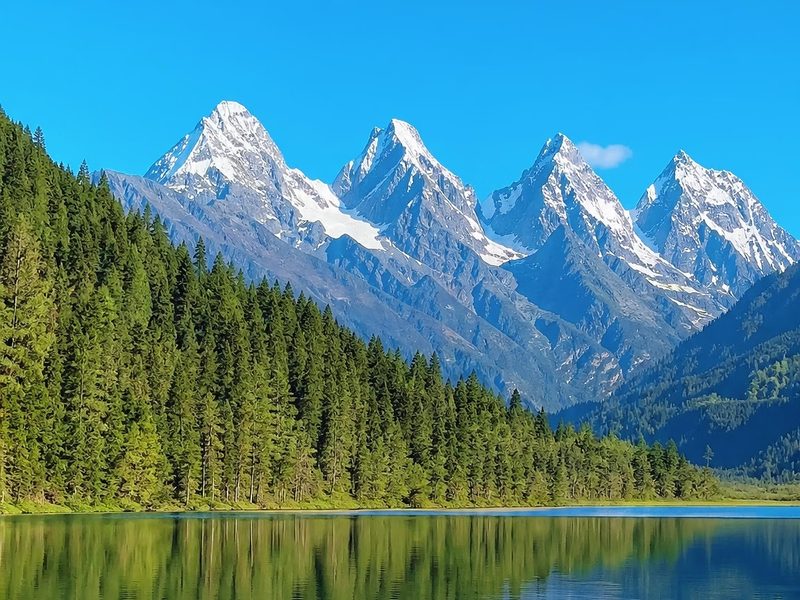
After breakfast, enter Shuangqiao Valley — the most accessible and rewarding of the three Siguniang valleys, running more than 40 km end to end. Shuttle buses run the length of the valley; the usual approach is to ride toward the upper end and then explore selected stops on the way back.
Depending on the season, stops may include the Red Larch Forest (home to the rare Sichuan larch), Budala Peak (5,240m, named for its resemblance to Lhasa's Potala Palace), Sigunai Lake, Longzhu Lake, Nianyuba Meadow, and Ginseng Fruit Meadow. Snow peaks, conifer forest, mountain streams, alpine meadows, and calcified turquoise pools unfold one after another — the same wild, vertical drama as the Alps, without the tour buses or crowds.
After the visit, head east through the Wolong and Wenchuan mountain corridors toward Maoxian, with a cultural stop at a Qiang village along the route. The Qiang are one of the oldest peoples of the upper Min River region, known for stone-built houses and defensive watchtowers — some standing over a thousand years — mountain agriculture, embroidery, and distinctive ceremonial traditions.
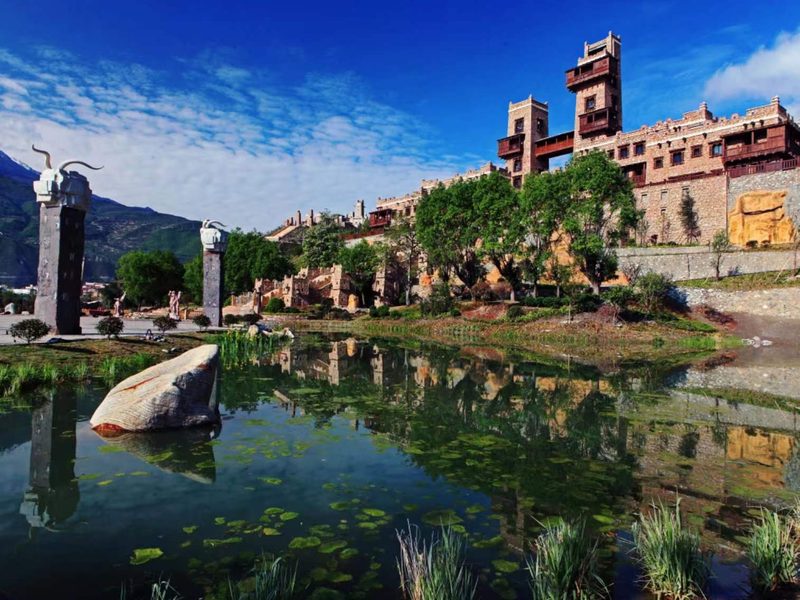
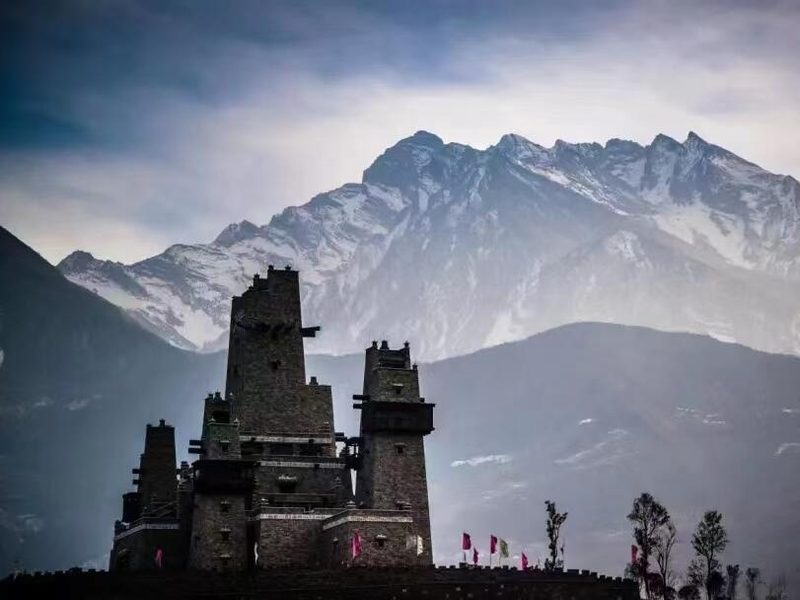
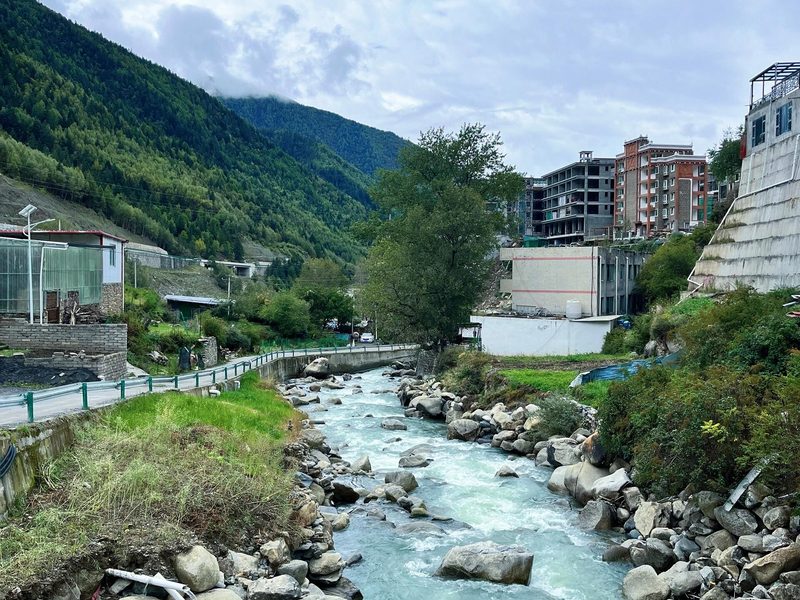
Depart Maoxian after breakfast and travel north along the G213 up the Min River corridor — deep valleys, high mountains, and Tibetan and Qiang settlements along the historic routes linking the Sichuan Basin with the plateau.
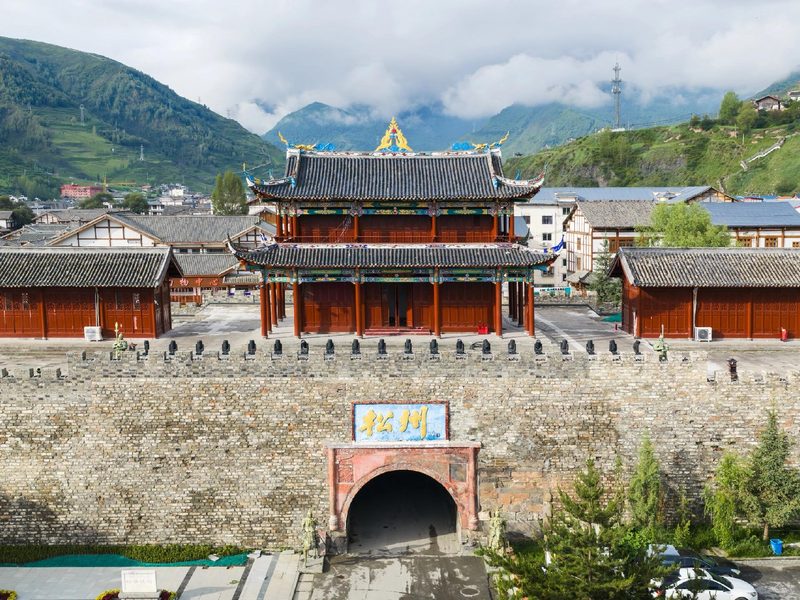
Midway, stop at Songpan Ancient Town. Once an important frontier town and trading hub on the southern Tea-Horse Road, Songpan sits at the crossroads of Tibetan, Qiang, Hui, and Han cultures. Its Ming-dynasty city walls — bound with a mortar of glutinous rice, lime, and tung oil — still stand today. Where conditions allow, you can walk an accessible section of the old wall and look out over the town and the Minshan snow peaks beyond.
Continue through Chuanzhusi and on to Zhangzha Town at the Jiuzhaigou valley entrance. Two consecutive nights at the same hotel means no repacking after tomorrow's full-day park visit — check in, have dinner, and rest early.
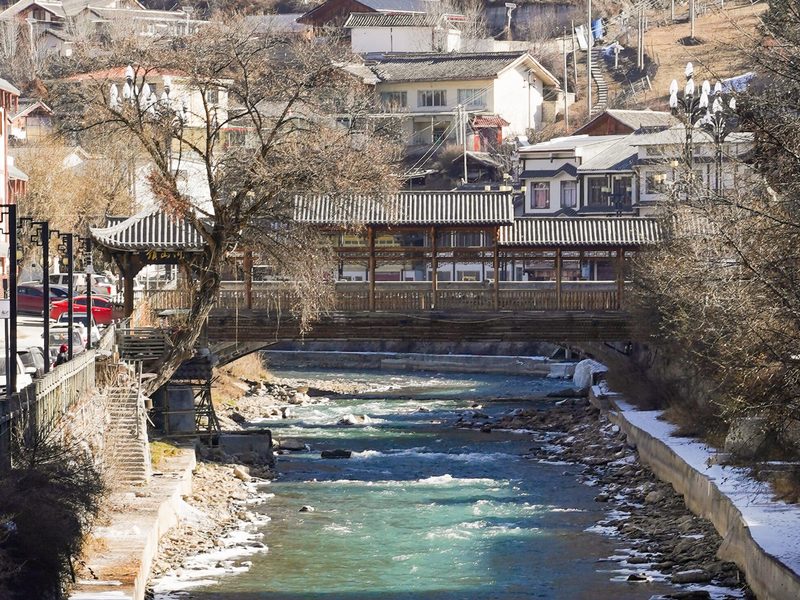
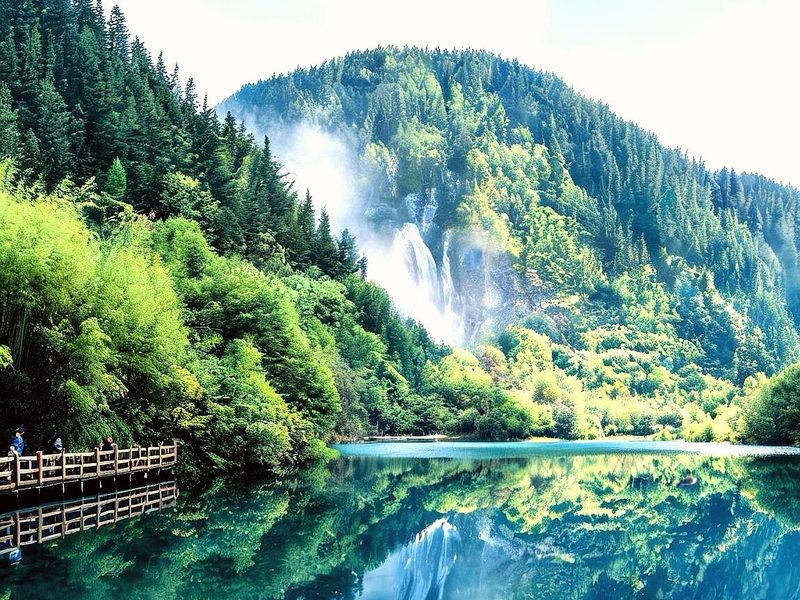
After breakfast, enter Jiuzhaigou National Park for a full day. The park is arranged around three principal valleys in a broad Y-shape — Rize Valley, Zechawa Valley, and Shuzheng Valley — together extending more than 60 km. Touring combines scenic-area shuttle buses with walking between viewpoints.
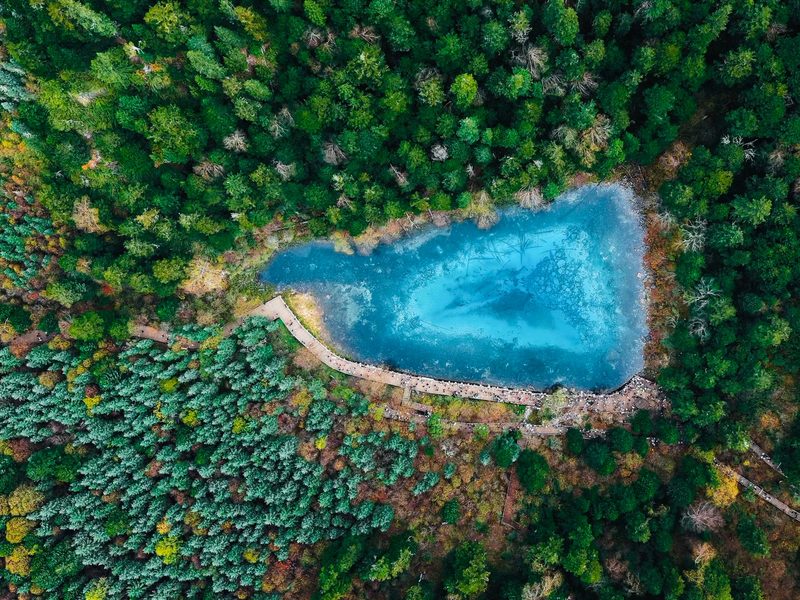
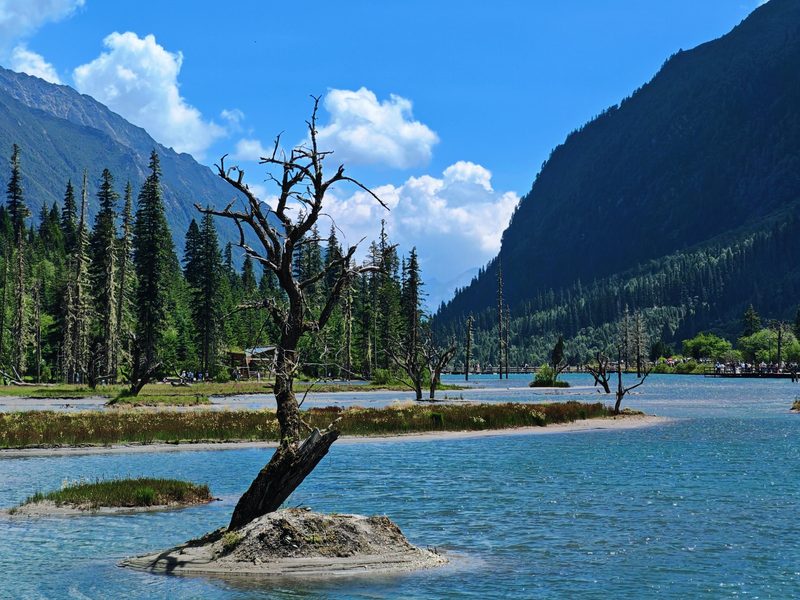
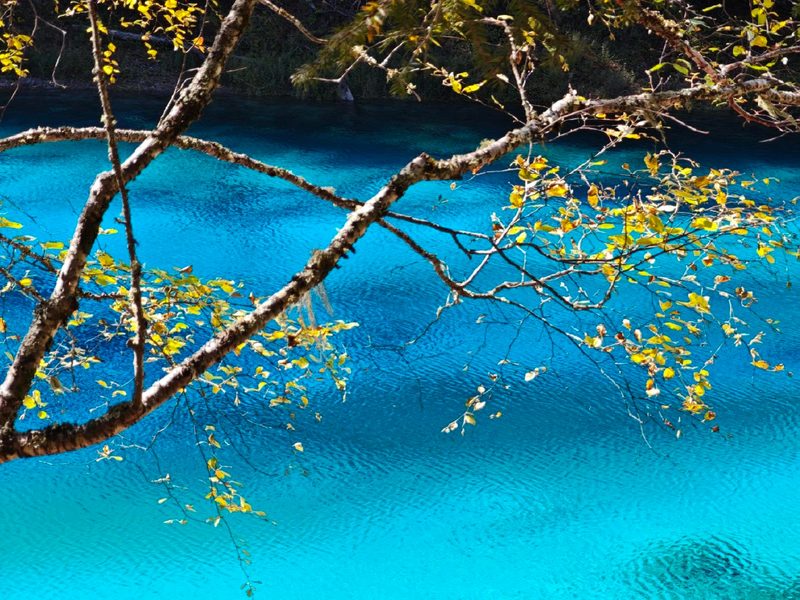
Jiuzhaigou's beauty isn't one single sight — it's the accumulated effect of water color, forest light, the sound of waterfalls, mountain air, and the sensation of walking above it all on wooden boardwalks. Major sights may include Five-Flower Lake, Pearl Shoal Waterfall, Mirror Lake, Nuorilang Waterfall, Long Lake, Five-Color Pond, Rhinoceros Lake, and the Shuzheng Lakes. The lakes shift color with sunlight, depth, and mineral content — jade green, cobalt blue, pale aquamarine — while waterfalls and streams connect them into a landscape that feels continuous rather than a series of isolated viewpoints. Every season looks different: autumn brings blazing forest color; winter reveals snow and blue ice; spring and summer are fresh and lush.
Your guide captures candid moments throughout — DSLR camera and drone photography where local regulations and weather permit. No posed shots.
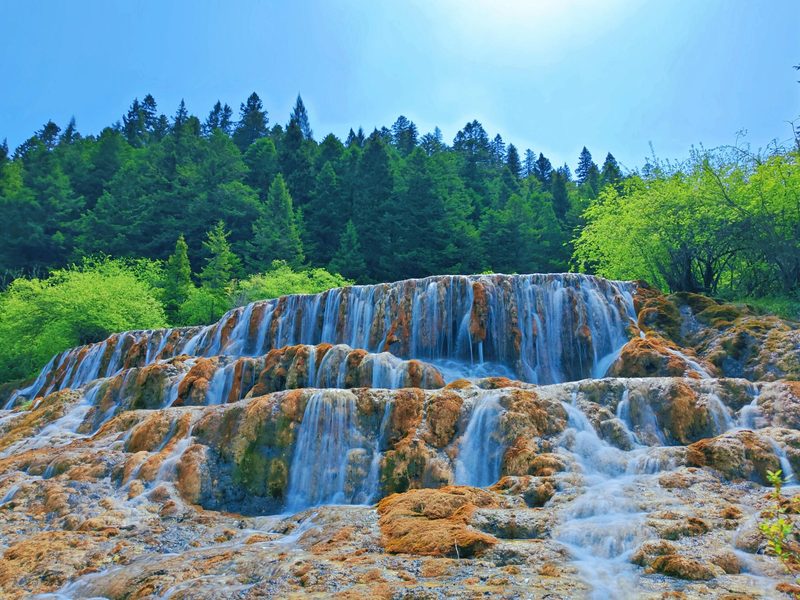
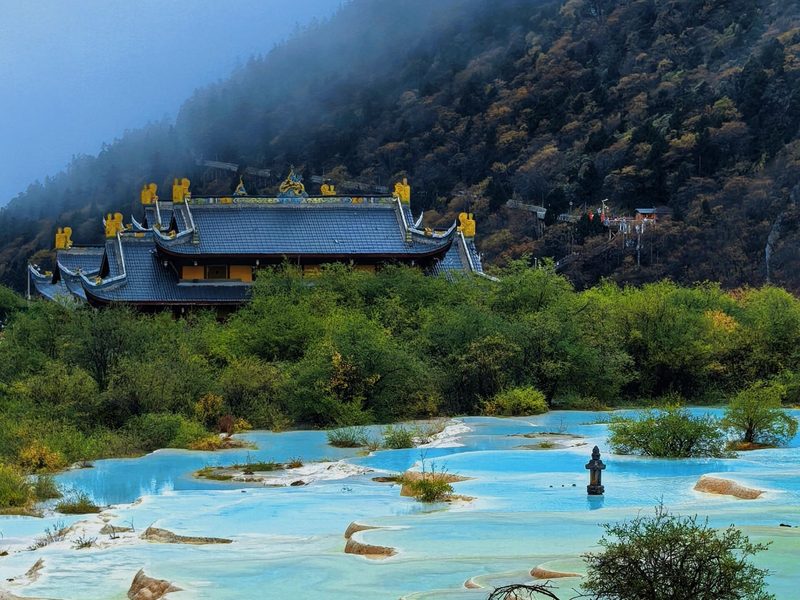
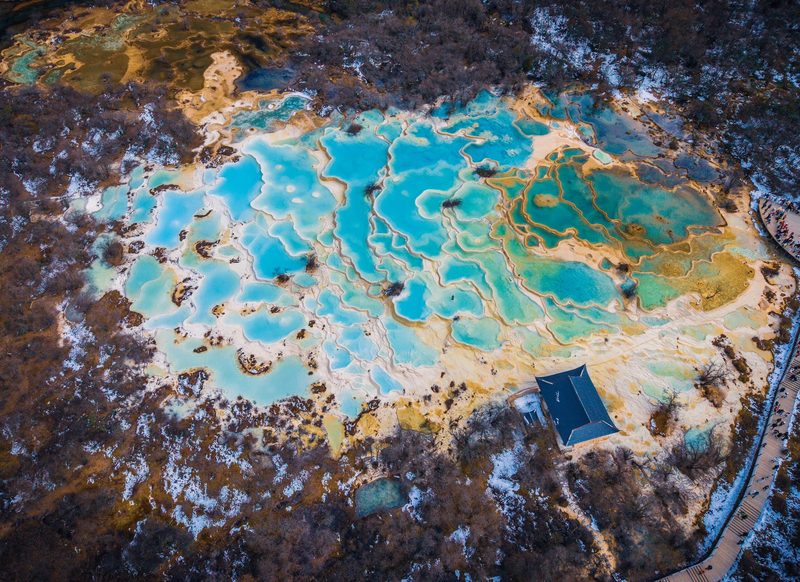
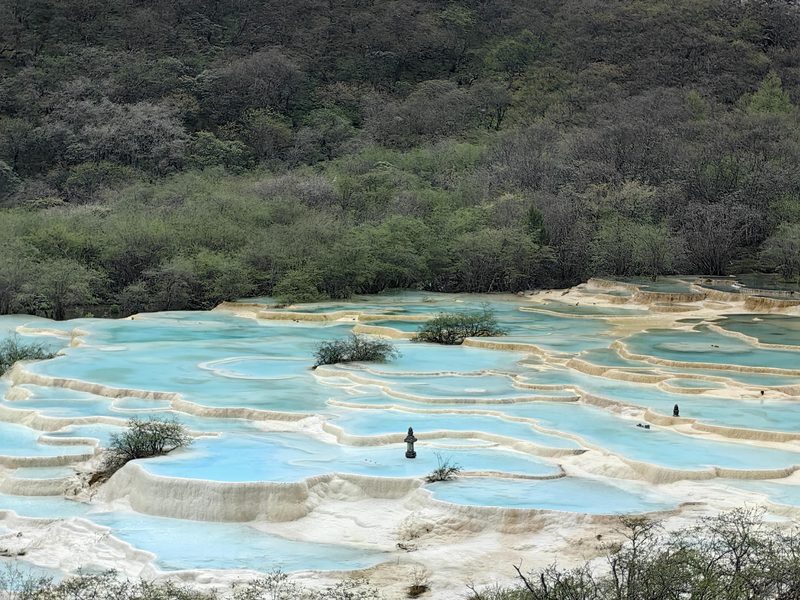
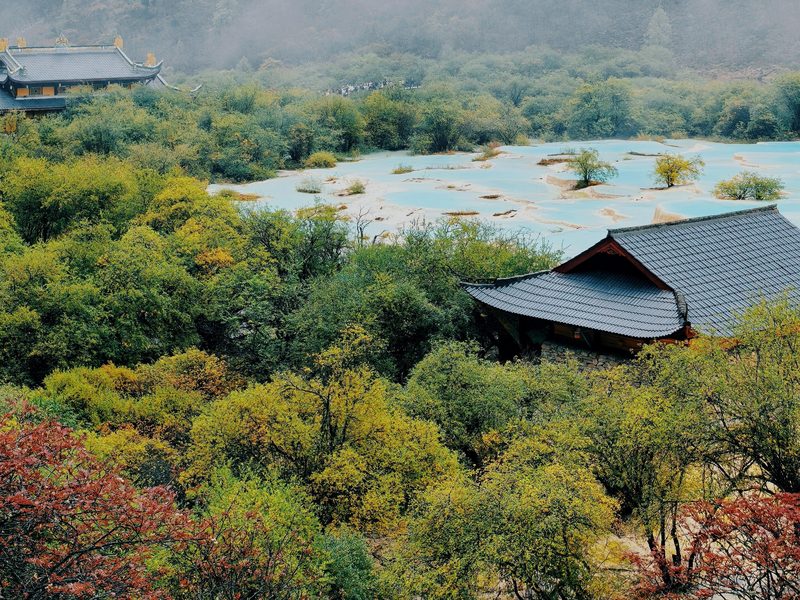
Check out after breakfast and drive toward Huanglong via Chuanzhusi (~128 km). Huanglong's beauty follows a similar logic to Yellowstone's mineral pools — but larger in scale, higher in altitude, and far less crowded. Hundreds of calcite-terraced pools stack up the valley, their water shifting between blue, green, and gold, framed by ancient forest and snow peaks. Key sights include the Five-Color Pond, Multi-colored Pools, Gold Sand on the Riverbed, and the Huanglong Ancient Temple area.
The recommended approach: take the cableway up and walk down, taking in the scenery gradually while conserving energy. Note that the cableway removes part of the ascent but not all — be prepared for walking and steps at elevations approaching 4,000m.
After the visit, transfer the short distance (~26 km) to Huanglong-Jiuzhai Station (~2,977m) and board a high-speed train back to Chengdu. We meet you at the station in Chengdu and drive you to your hotel, so no need to arrange your own onward transfer. Prefer to ride back by vehicle? That option is always open — just let us know in advance.
- Comfortable private vehicle with an experienced local driverFuel, tolls and road expenses included.
- Arrival transfer in ChengduPick-up from Chengdu Shuangliu Airport or railway station to your hotel.
- Entrance tickets to all scenic areas listed in the itinerary
- High-speed train ticket for the Day 5 return legHuanglong-Jiuzhai Station to Chengdu — we meet you at the station and drive you to your hotel.
- 4 nights of carefully selected accommodation based on your chosen package
- Daily hotel breakfastBreakfast included at your accommodation each morning.
- Travel photographyDSLR and drone footage included where weather, location and local regulations allow.
- Portable oxygen supply — one canister per person per day
- English-language support: digital audio guides plus 24/7 WhatsApp text assistance throughout the trip
- English-speaking guide available depending on your chosen packageA private English-speaking guide can be arranged as an optional upgrade.
- Additional in-scenic-area transportation and optional activitiesSuch as local motorbike rides, horse riding, etc.
- Lunches and dinnersMeals are left flexible so you can choose what and where you would like to eat.
- Personal expensesSuch as souvenirs and other personal purchases.
- Travel insurance
A more logical alternative to a rushed four-day circuit
A four-day itinerary combining Chengdu, Jiuzhaigou, Huanglong, and Siguniang Mountain creates two very demanding transfer days. This five-day route divides the journey into more manageable sections and uses the railway for the final return.
The scenery develops gradually
From Dujiangyan's ancient water landscape to Wolong's panda habitat, up into Siguniang's alpine valleys, through the Qiang-Tibetan corridor, and finally to Jiuzhaigou and Huanglong. Each day introduces a different landscape.
Two nights at Jiuzhaigou
Staying at the same hotel for two consecutive nights lets you enter the park rested and return without repacking after a full day of walking. The extra night means no rushing on arrival day.
Road journey out, railway journey back
The high-speed train from Huanglong-Jiuzhai Station spares a full road return to Chengdu after five days on the road. After Huanglong, a two-hour train beats a seven-hour drive on any count.
Clothing
- Warm jacket or lightweight down coat
- Windproof and water-resistant outer layer
- Comfortable walking shoes with reliable grip
- Long trousers suitable for walking
- Hat and gloves (essential outside summer)
- Sunglasses
Daily Essentials
- Sunscreen (high-altitude UV is intense)
- Lip balm and moisturiser (high-altitude air is very dry)
- Insulated water bottle or thermos
- Portable charger / power bank
- Regular personal medication
- Motion sickness tablets
For the Scenic Areas
- Light snacks or energy bars
- Small day pack
- Rain jacket or compact rain gear
- Camera or mobile phone
- Some cash as a backup payment method
Documents
- Passport or other required identification
- Personal toiletries
- Any altitude medication (consult your doctor)
- Train ticket / booking confirmation for Day 5
Ready to do the Jiuzhaigou Grand Loop?
Message us with your travel dates and group size — we'll send you a full quote and details within a few hours.