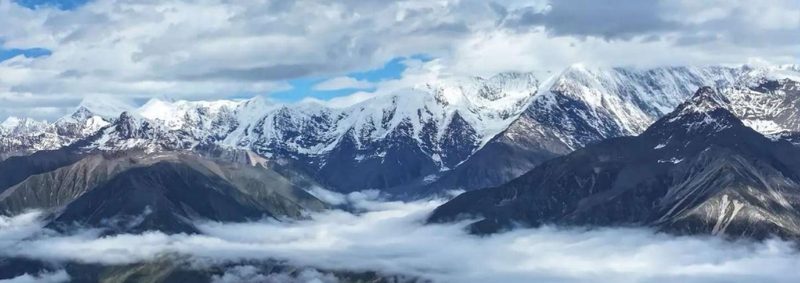
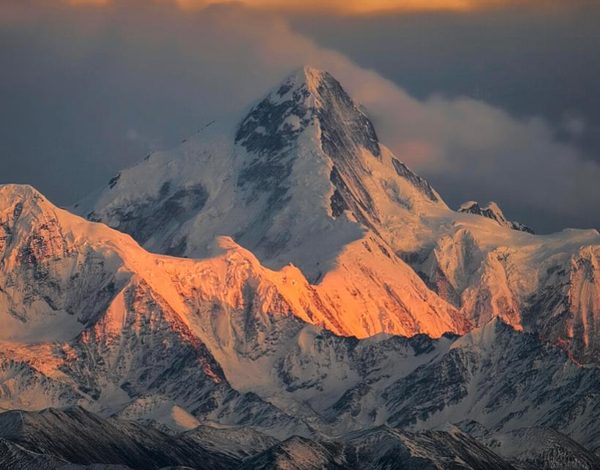
Mount Gongga at Sunset
At 7,556 metres, Mount Gongga (Minya Konka) is the highest mountain in Sichuan and one of the most spectacular in all of China. From the right vantage point — a remote mountain pass near Muyacuo Valley — you watch the snow face slowly turn from white to gold to deep orange as the sun drops.
It's one of those moments that feels unreal while you're standing in it. No crowds, no noise. Just the mountain, the plateau, and the light changing in front of you.
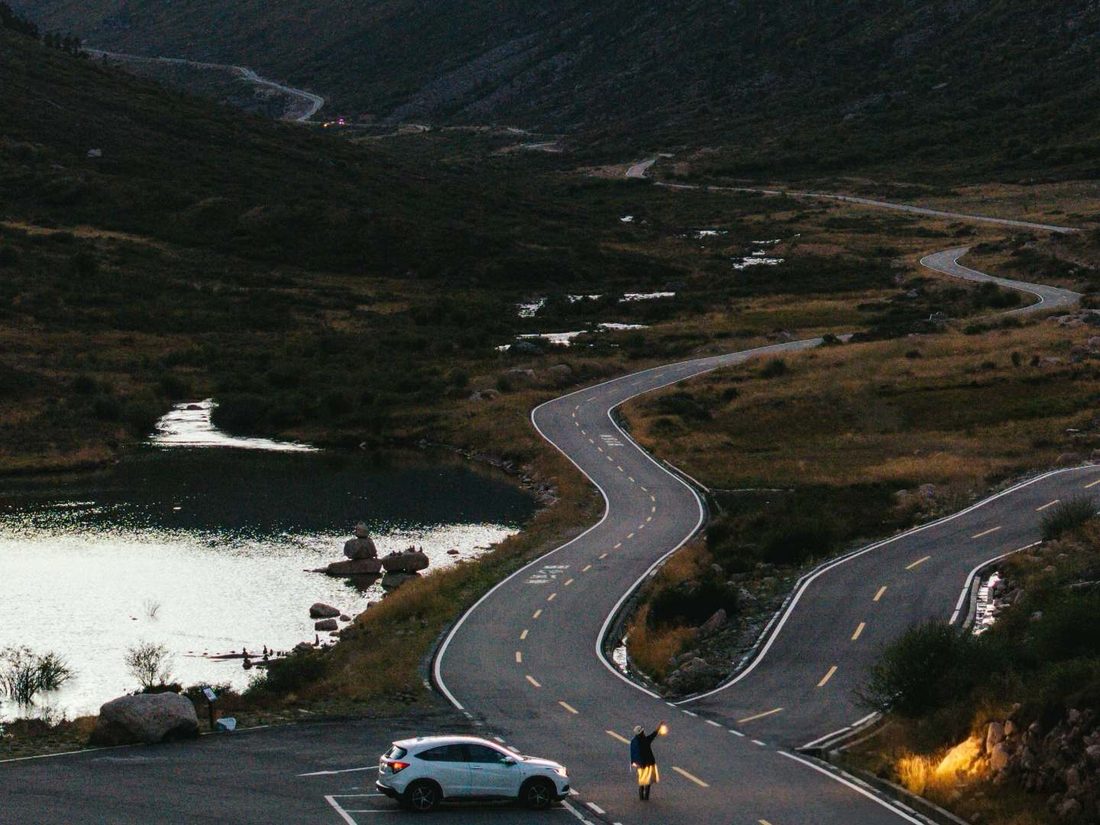
The G318 Highway
Often called China's Route 66, the G318 is one of the most celebrated road trip routes in Asia. From Chengdu, the road climbs from 500 metres up through mountain passes, across vast plateaus, and past Tibetan villages before eventually reaching Tibet.
The journey itself — the changing altitude, the roadside stupas, the herds of yaks appearing around a corner — is as much the experience as any single destination. Western Sichuan sits on the most scenic stretch of this route.
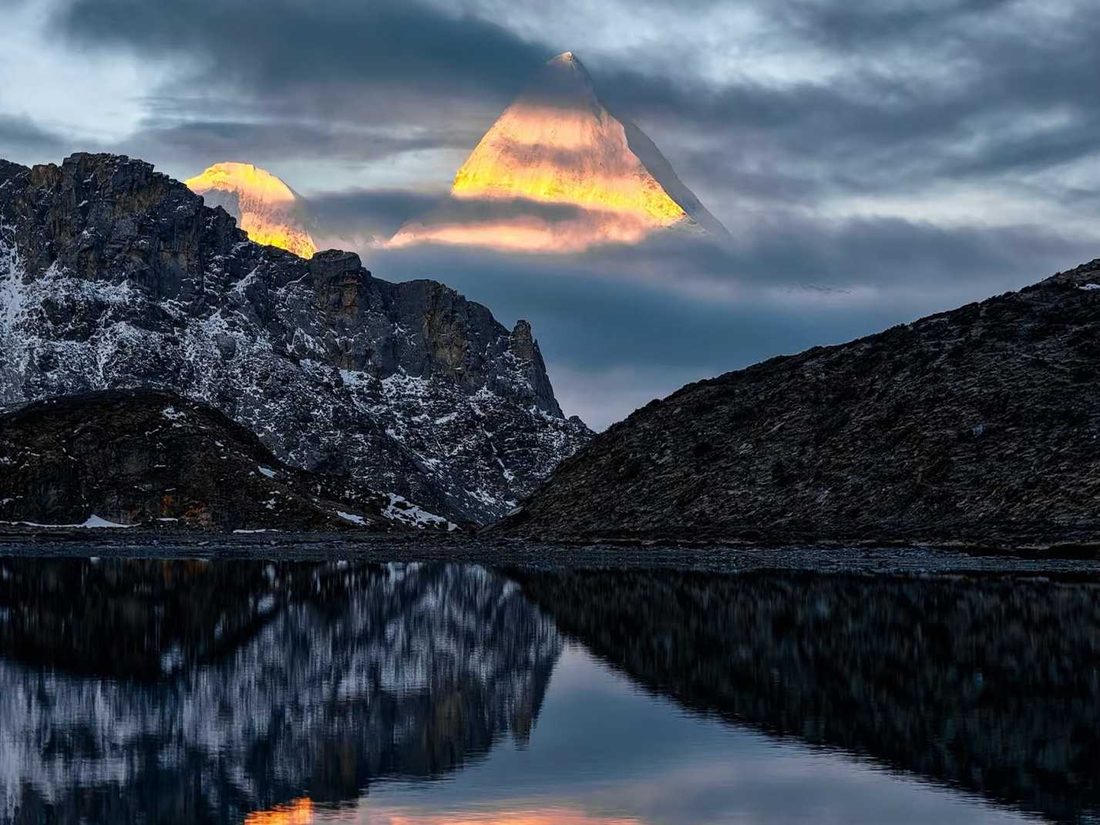
Yading Nature Reserve
Yading is home to three sacred Tibetan snow peaks — Chenrezig, Jampayang, and Chanadorje — rising above high-altitude meadows, ancient forests, and glacial lakes. Luorong Pasture, at the heart of the reserve, is one of the most photographed alpine scenes in China.
For those who want to go further, the hike to Milk Lake and Five Color Lake at 4,600 metres is one of the most intense and rewarding experiences the region has to offer. The colours of the water are difficult to believe.
Mount Siguniang & Shuangqiao Valley
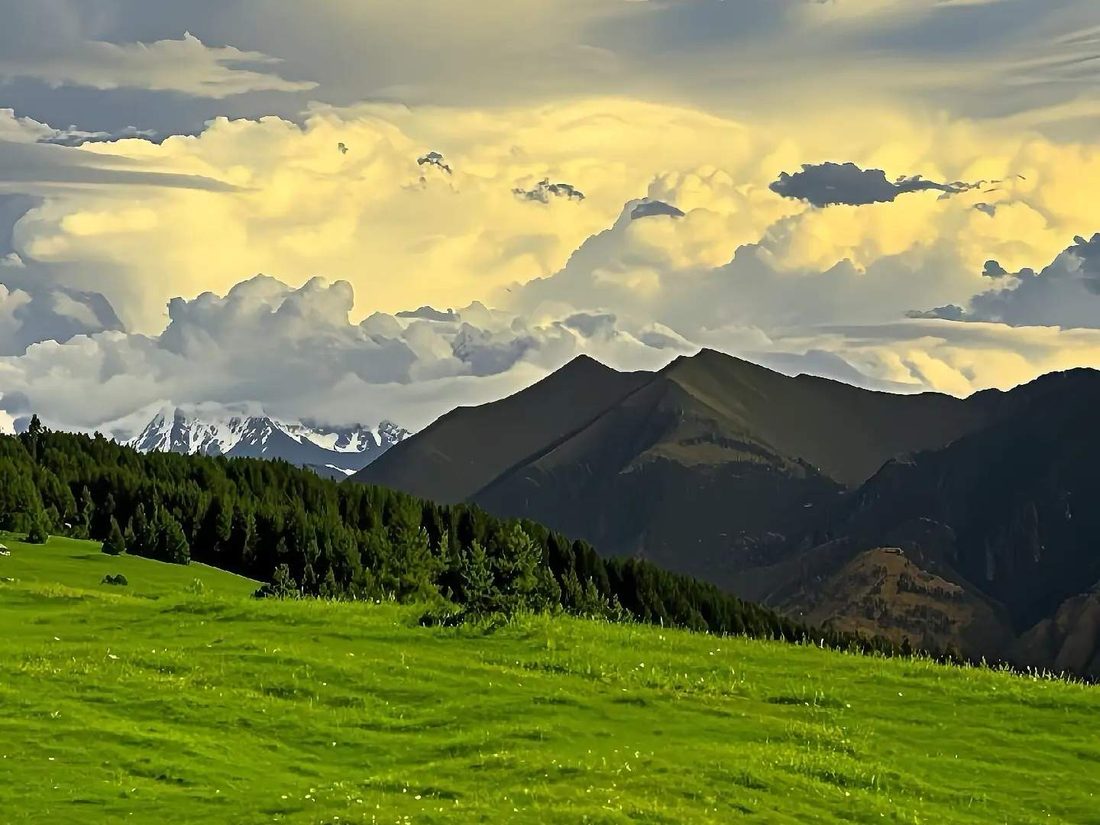
Known as the "Oriental Alps," Mount Siguniang (Four Sisters Mountain) is where the western mountains of Sichuan feel closest to the European Alps — pine forests, glacier rivers, soaring snow peaks, and air so clean it feels unfamiliar.
Shuangqiao Valley is the most accessible and scenic part of the reserve, accessible by an eco-shuttle that winds through the valley without requiring difficult hiking. It's a rare place where the scenery is genuinely dramatic but the experience feels unhurried.
Tagong Grassland
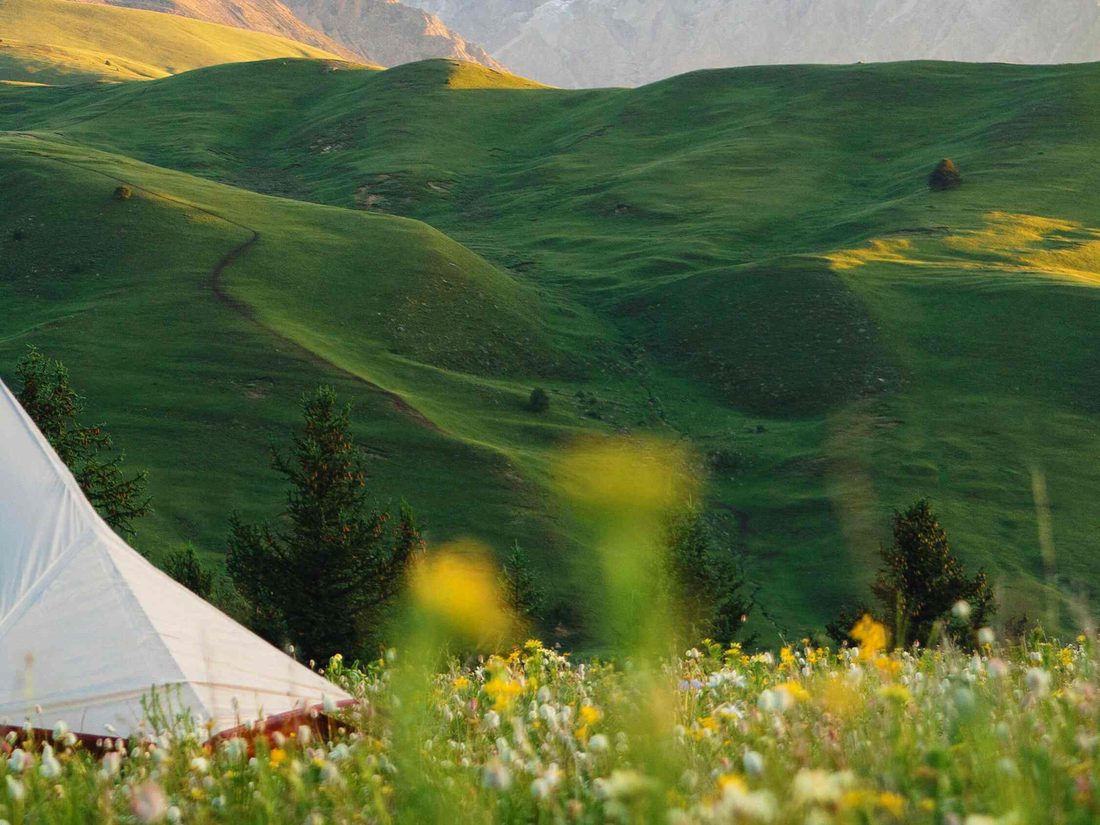
Tagong Grassland is the closest thing to the "classic Tibet" image many travelers carry in their minds — wide open plateaus with yaks grazing beneath the sacred Yala Snow Mountain, white stupas scattered across the landscape, prayer flags catching the wind.
The Lhagang Monastery sits at the edge of the grassland: a working Tibetan Buddhist monastery where daily life continues as it has for centuries. It's the kind of place where slowing down is the only right way to be.
Moshi Stone Forest
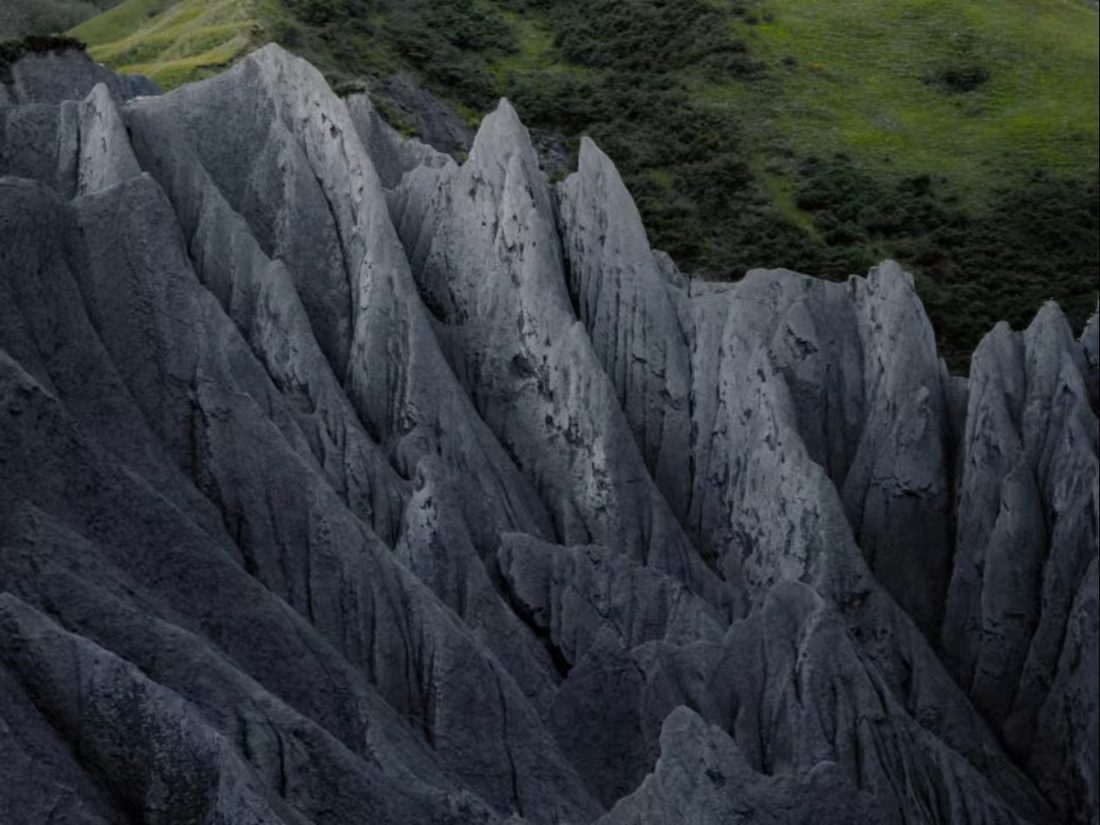
Moshi Park is unlike anything else in the region — a high-altitude geological landscape where dark volcanic rock formations rise out of the ground in surreal, almost cinematic shapes. It looks like a film set for another planet.
Because it sits off the main tourist routes, very few international visitors ever see it. On a clear morning, with mist drifting through the rocks and snow peaks visible in the distance, it's one of the most quietly extraordinary places in all of Western Sichuan.
Ready to see these places for yourself?
Tell us your dates and how many days you have — we'll suggest the route that fits best.