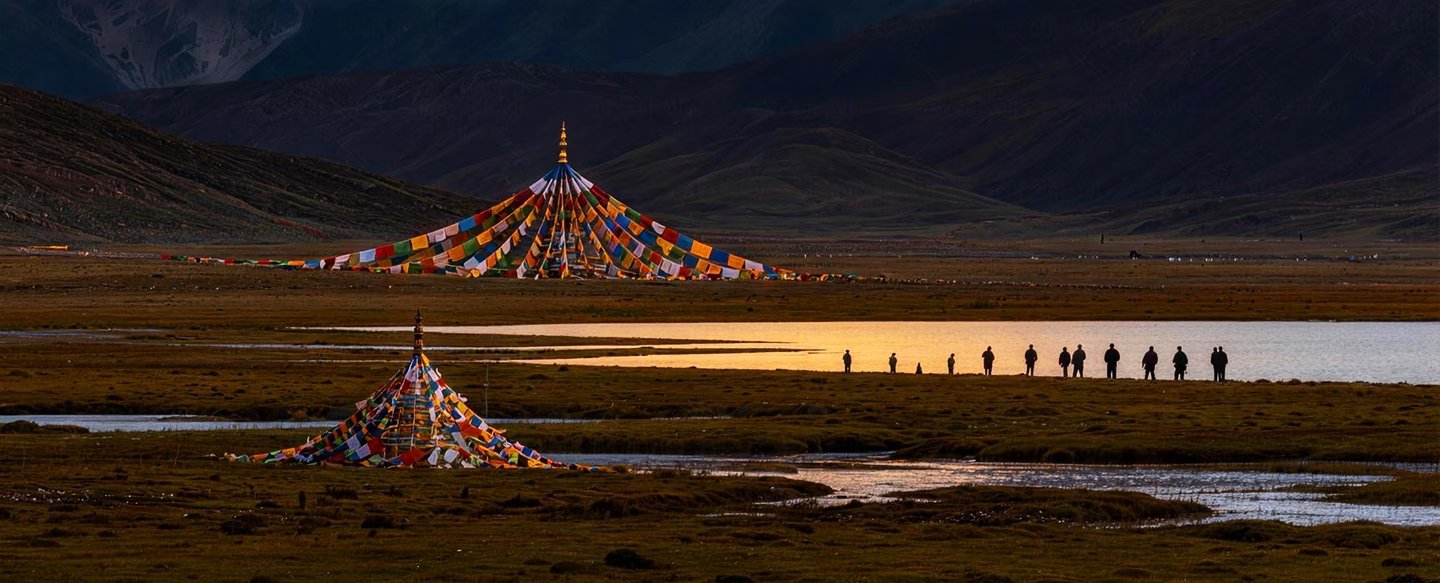
Northwest Yunnan is where the Tibetan Plateau begins to rise out of the subtropical lowlands — a region of cobbled old towns, glacier-fed gorges, and monasteries perched beneath some of China's most dramatic snow peaks.
This journey traces a classic overland route from the canals of Lijiang, along one of the world's deepest gorges, up onto the high plateau at Shangri-La, and out to the viewpoint at Feilai Monastery where Meili Snow Mountain reveals itself. Along the way, black pottery villages, Tibetan monasteries, and alpine lakes round out a route built for travelers chasing both landscape and living Tibetan culture.

Perfect for
- First-time visitors wanting the classic northwest Yunnan circuit done properly
- Hikers who want a taste of Tiger Leaping Gorge without a multi-day trek
- Travelers interested in Tibetan Buddhist culture and monastery visits
- Photographers hoping to catch Meili Snow Mountain's peaks above the clouds
- Anyone comfortable with moderate high-altitude travel (up to ~3,300m overnight)
| Day | Route | Overnight | Drive |
|---|---|---|---|
| Day 1 | Arrival in Lijiang → Old Town | Lijiang | Airport transfer |
| Day 2 | Tiger Leaping Gorge hike → Shangri-La | Shangri-La | Lijiang → Tiger Leaping Gorge → Shangri-La |
| Day 3 | Songzanlin Monastery → Dukezong → Pudacuo National Park | Shangri-La | Local sightseeing |
| Day 4 | Feilai Monastery → Meili & Baima Snow Mountains → Napa Lake | Shangri-La | Round trip to Feilai / Deqin area |
| Day 5 | Nixi Black Pottery Village → Lijiang → Departure | — | Shangri-La → Lijiang |
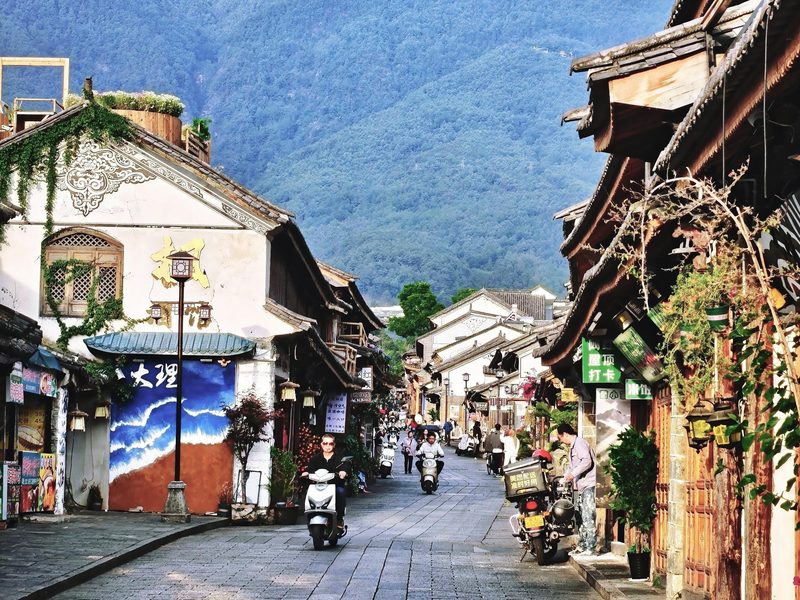
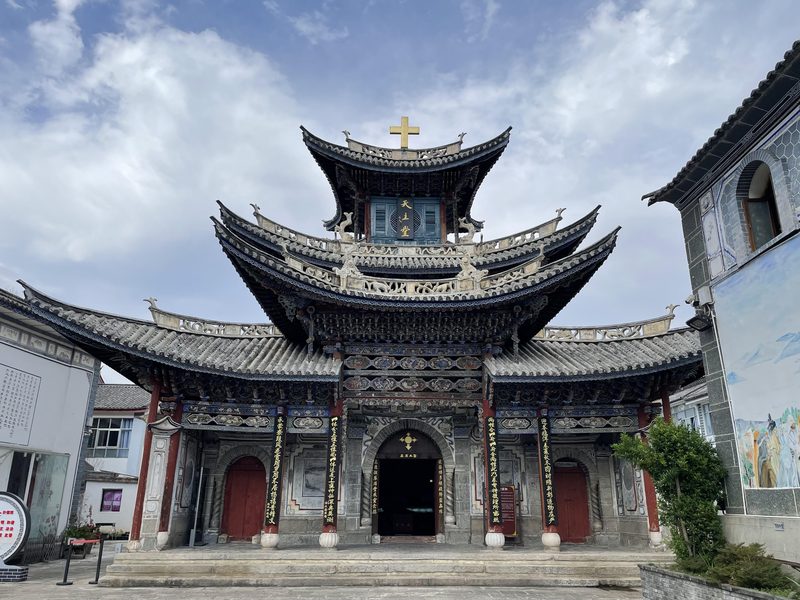
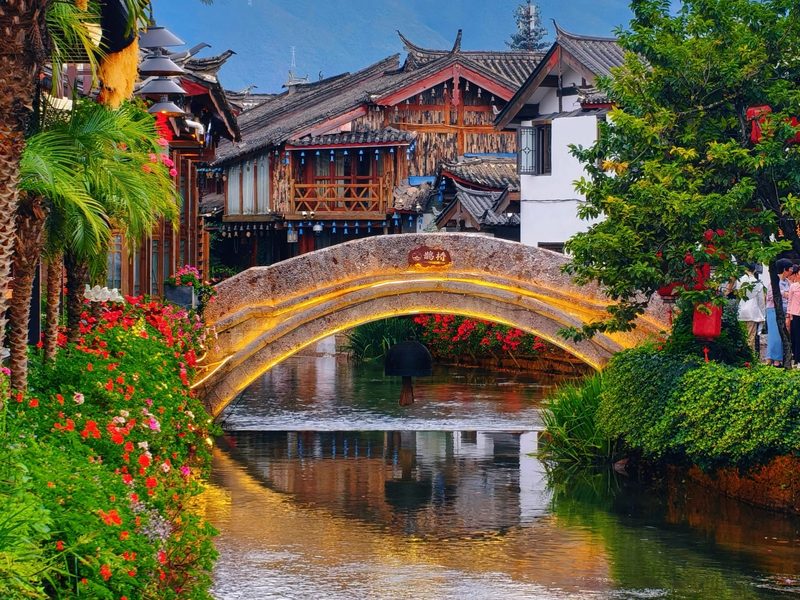
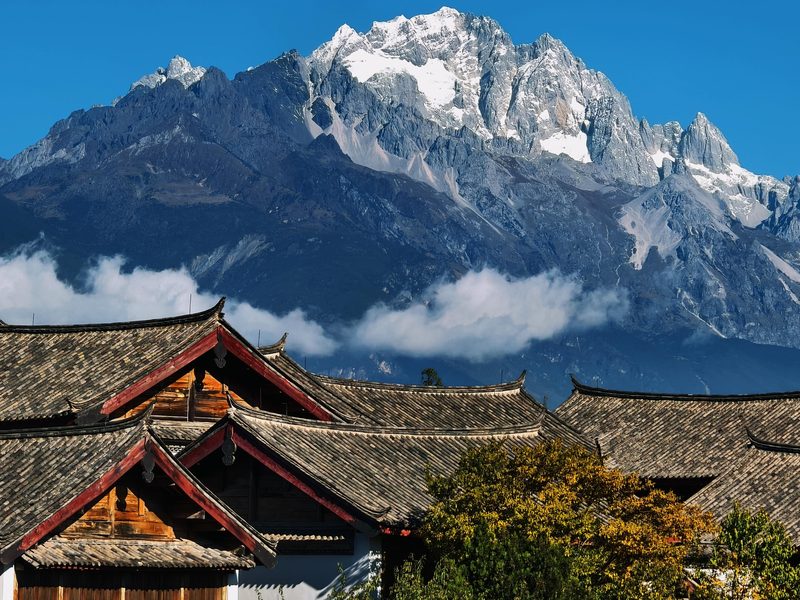
Arrive in Lijiang and settle in before exploring the UNESCO-listed Lijiang Old Town. Wander its cobbled streets, canals, and Naxi-style courtyard houses, taking in the atmosphere of one of China's best-preserved ancient towns. Also known as Dayan Old Town, Lijiang was built more than 800 years ago without the rigid city walls typical of most Chinese towns of the era, and its layout follows the natural flow of water diverted from the nearby Yuquan Spring — a network of canals that still runs beside almost every street today. The Naxi people, an ethnic minority native to this part of northwestern Yunnan, developed their own pictographic writing system, Dongba script, considered one of the last living pictographic languages still in use anywhere in the world, and their timber courtyard houses blend Han, Tibetan, and Bai architectural influences absorbed through centuries as a trading post on the old Tea Horse Road. UNESCO inscribed the old town as a World Heritage Site in 1997, citing both its well-preserved historic townscape and its role as a crossroads where these cultures have mixed for centuries.
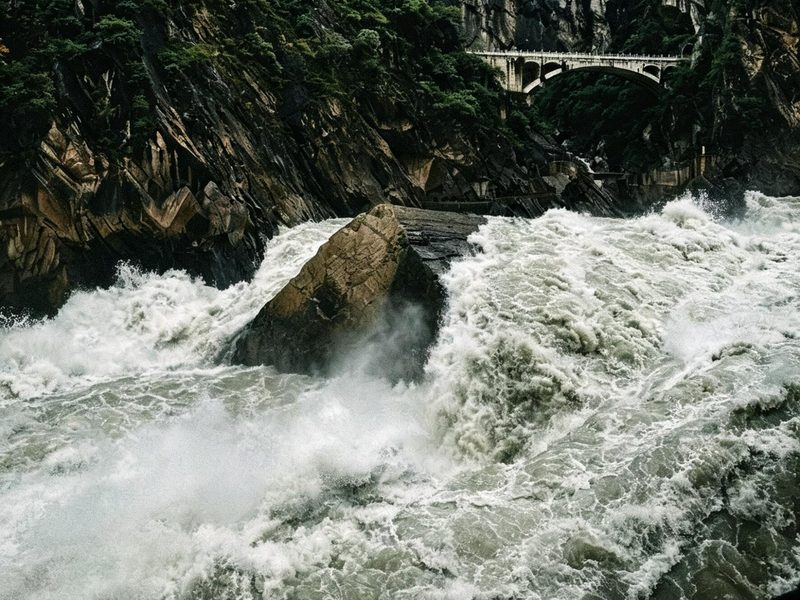
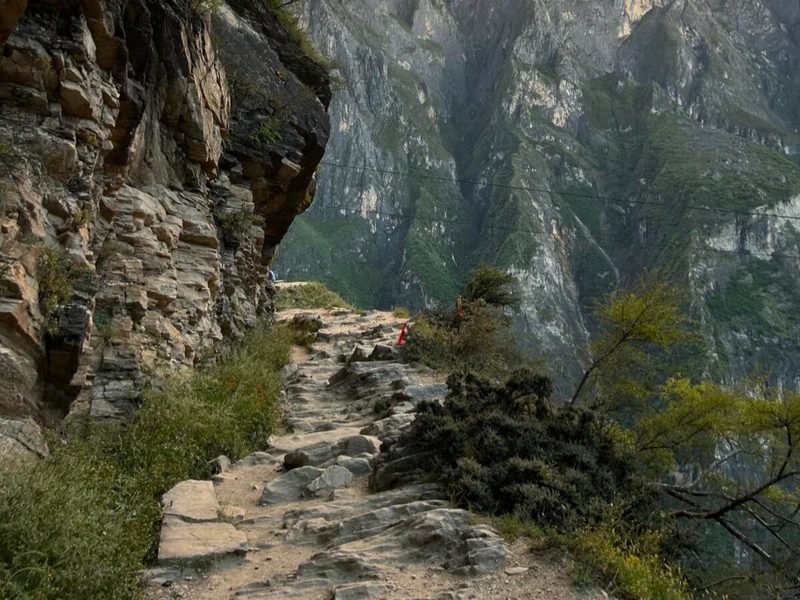
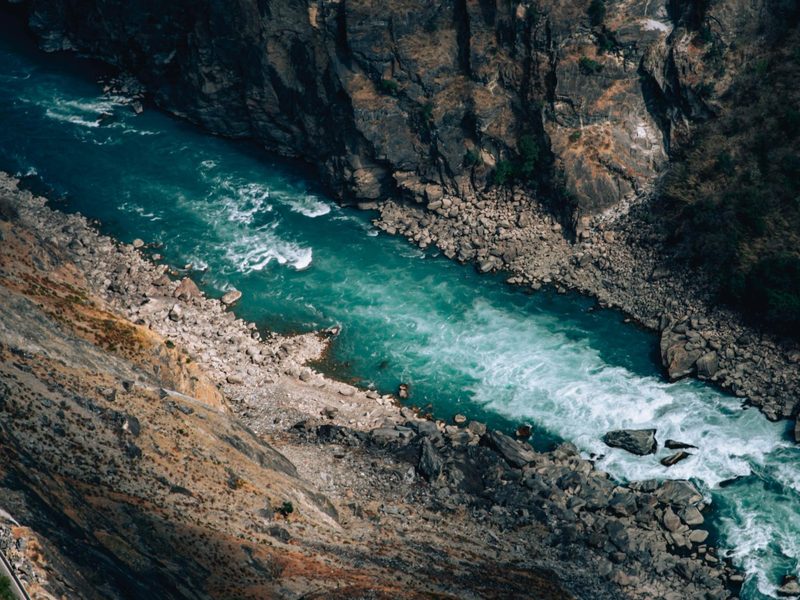
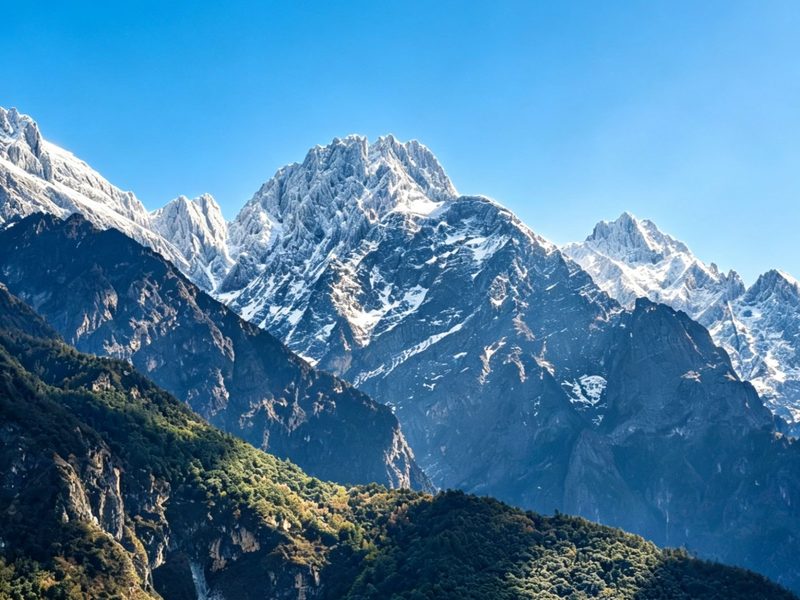
Depart for Tiger Leaping Gorge, one of the deepest canyons in the world. Walk a scenic section of the gorge trail, taking in dramatic views of the rushing river far below and the towering peaks of Jade Dragon Snow Mountain on the opposite side. At its deepest point the gorge plunges more than 3,900 metres from the summit of Jade Dragon Snow Mountain to the Jinsha River below, making it one of the deepest river canyons on Earth. Its name comes from a local legend that a tiger once escaped hunters by leaping across the river at its narrowest point, where the water is squeezed between rock walls only about 30 metres apart.
Continue on to Shangri-La, arriving on the high plateau in the late afternoon. Renamed from Zhongdian in 2001 after the fictional utopia in James Hilton's novel "Lost Horizon," Shangri-La sits on a high Tibetan plateau at over 3,200m and marks the transition from the Naxi lowlands into ethnically Tibetan northwestern Yunnan, with a noticeably different language, architecture, and religious culture from Lijiang just a few hours south.
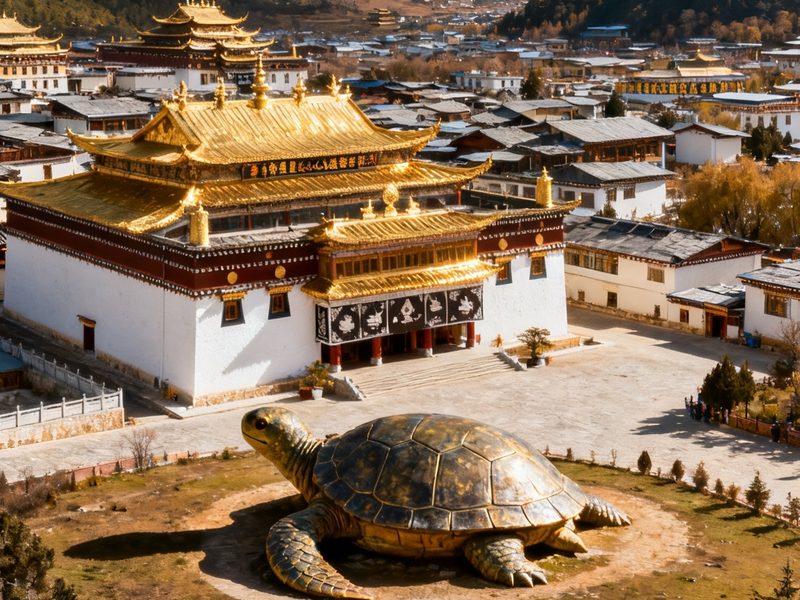
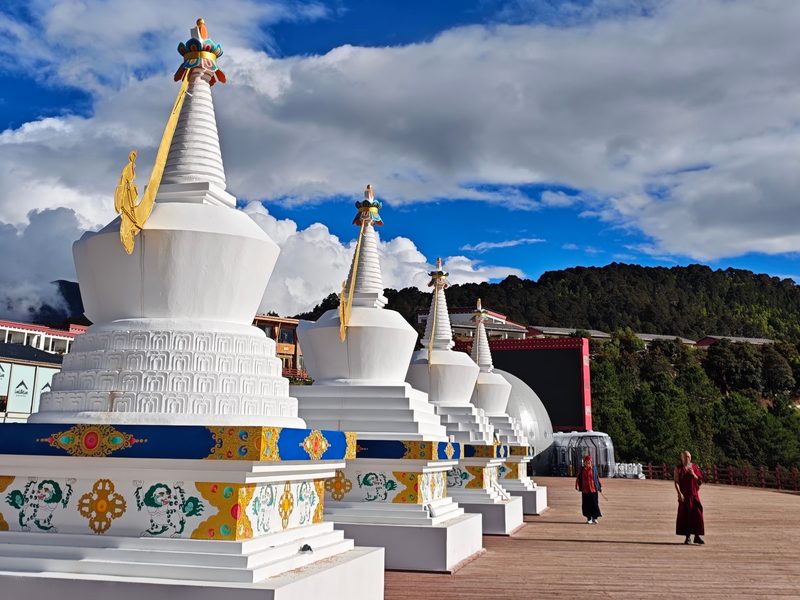
Visit Songzanlin Monastery, the largest Tibetan Buddhist monastery in Yunnan, often called the "Little Potala Palace" for its resemblance to Lhasa's iconic landmark. Built in 1679 under the order of the Fifth Dalai Lama, Songzanlin follows the Gelug (Yellow Hat) school of Tibetan Buddhism and once housed well over a thousand monks; its golden roofs and fortress-like whitewashed walls, rising dramatically against the hillside, are what earn it the Little Potala Palace nickname.
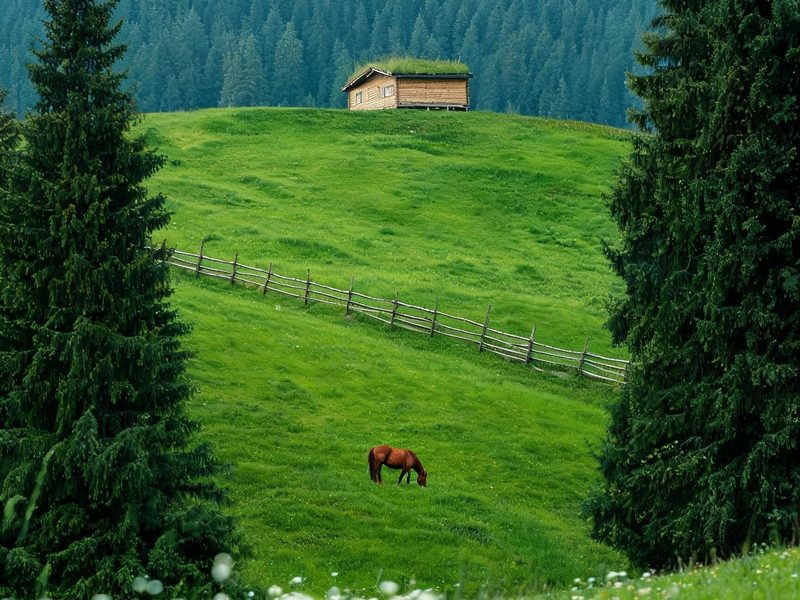
Explore Dukezong Ancient Town, the old heart of Shangri-La, before heading into Pudacuo National Park to see alpine lakes, meadows, and forests that showcase the natural beauty of the Tibetan plateau. Dukezong means "moonlight city" in Tibetan, and though a 2014 fire destroyed much of its historic wooden core, large sections have since been carefully rebuilt in the traditional Tibetan style. Pudacuo, meanwhile, was Yunnan's first national park, established in 2006 as a pilot for eco-tourism in a landscape of glacial lakes, ancient forests, and alpine meadows within the wider Three Parallel Rivers World Heritage Area.

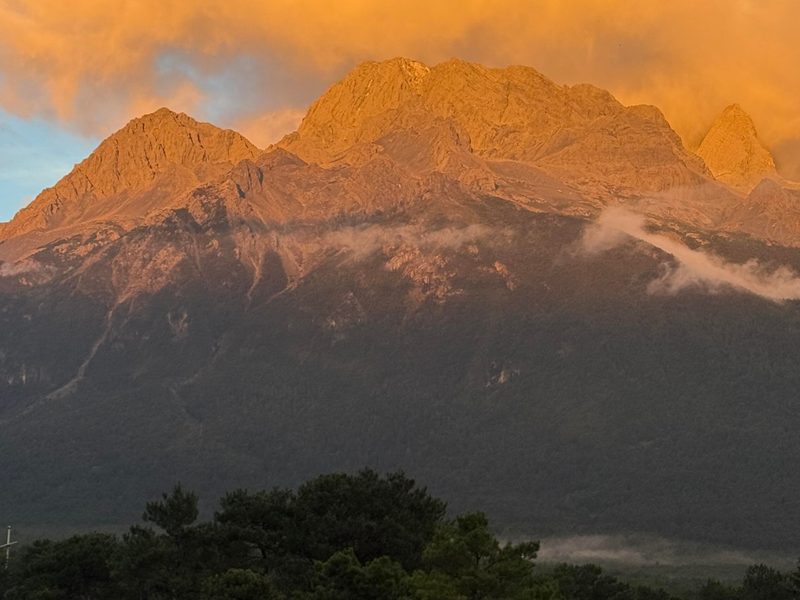
Head out to Feilai Monastery, famed for its panoramic viewpoint of Meili Snow Mountain — one of Tibetan Buddhism's most sacred peaks, its summit still unclimbed out of respect for local belief. The route crosses Baima Snow Mountain, one of the region's dramatic high passes. Meili's main peak, Kawagarbo, rises to 6,740m and is revered as the sacred abode of a warrior deity in Tibetan Buddhism — after a 1991 mountaineering expedition ended in tragedy on its slopes, China closed the peak to climbing altogether, making it one of the very few major unclimbed mountains left in the world.
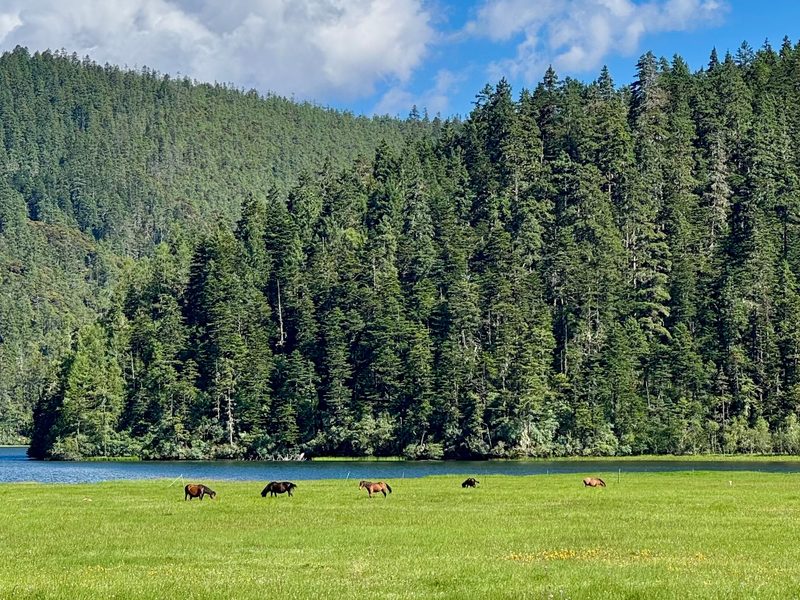
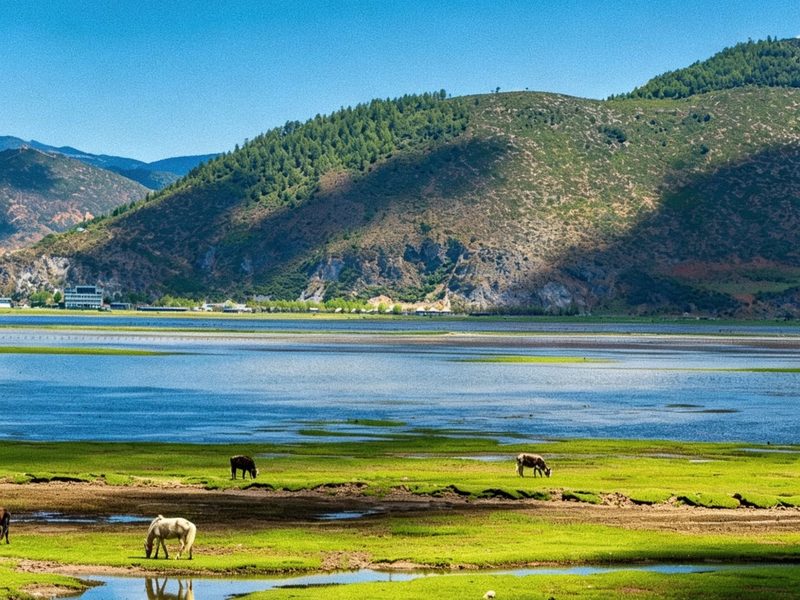
On the return journey, stop by Napa Lake, a seasonal wetland on the outskirts of Shangri-La where grasslands, grazing yaks, and distant peaks create a classic plateau scene. Napa Lake actually disappears each winter and dry season, when its waters recede into underground channels and the lakebed becomes open grassland grazed by yaks and horses, before refilling again with the summer rains — a natural cycle that has shaped the seasonal rhythms of local Tibetan herding communities for generations.
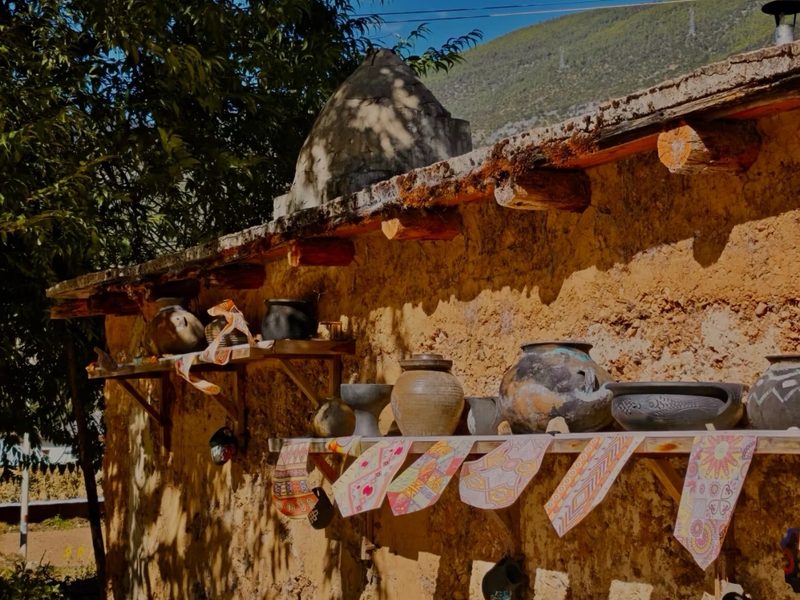
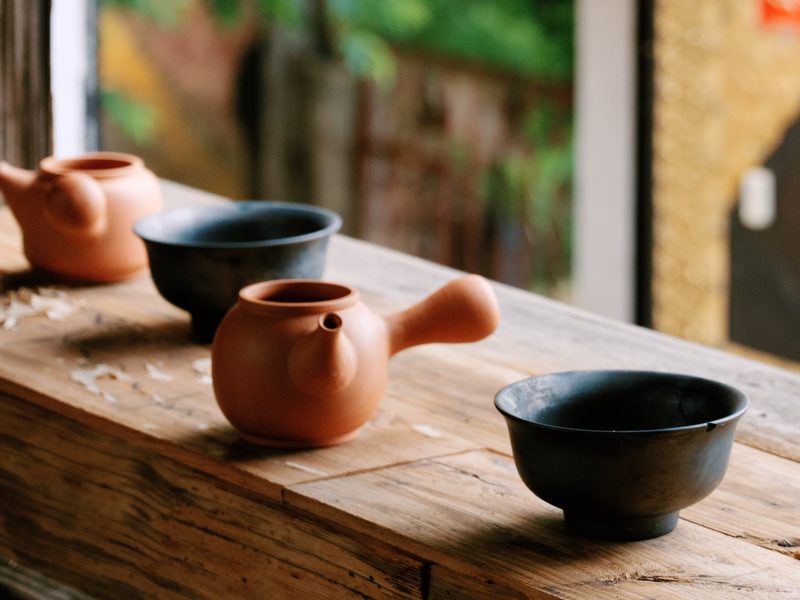
Before leaving the plateau, visit Nixi Black Pottery Village, known for a centuries-old ceramic tradition using local black clay — a distinctive craft unique to this corner of Yunnan. The village's pottery tradition is closely tied to local Tibetan culture, and its distinctive black color comes from a smoking process during firing rather than glaze — pieces are pit-fired and then smothered in sawdust, which starves the kiln of oxygen and turns the clay a deep charcoal black. Traditionally the ware was used for cooking and butter tea, and Nixi remains one of the very few places in China still producing it by hand using techniques passed down within a small number of local families.
Transfer back down to Lijiang for your onward flight or train. The drive back retraces the route south through the plateau's grasslands and forested valleys, descending steadily in elevation as the Tibetan highlands give way once again to the milder, lower-altitude landscape around Lijiang.

- Comfortable private vehicle with an experienced local driverFuel, tolls and road expenses included.
- Arrival transfer in LijiangPick-up from Lijiang Sanyi Airport or railway station to your hotel.
- Entrance tickets to all scenic areas listed in the itineraryIncluding Tiger Leaping Gorge, Songzanlin Monastery and Pudacuo National Park shuttle.
- 4 nights of carefully selected accommodation based on your chosen package
- Daily hotel breakfast
- Portable oxygen supply — one canister per person per dayShangri-La and the Meili Snow Mountain viewpoint sit above 3,000m.
- English-language support: digital audio guides plus 24/7 WhatsApp text assistance throughout the trip
- English-speaking guide available depending on your chosen packageA private English-speaking guide can be arranged as an optional upgrade.
- Flights or train tickets to/from Lijiang
- Lunches and dinnersMeals are left flexible so you can choose what and where you would like to eat.
- Personal expensesSuch as souvenirs and other personal purchases.
- Travel insurance
The classic northwest Yunnan circuit, done right
Lijiang, Tiger Leaping Gorge, Shangri-La and Meili Snow Mountain are individually famous — this route links them in the order that makes geographic and acclimatization sense.
Real Tibetan Buddhist culture, not just scenery
Songzanlin Monastery and Feilai Monastery aren't tourist backdrops — they're active places of worship, and your guide can help you visit them respectfully.
A taste of the gorge, not a forced march
You'll walk a scenic section of Tiger Leaping Gorge's famous trail without committing to the full multi-day trek — ideal if your time is limited.
Built-in acclimatization
The route gains altitude gradually across the first two days rather than jumping straight to the highest point, which makes the trip more comfortable for most travelers.
Clothing
- Warm layers — plateau temperatures drop quickly, even in summer
- Windproof outer jacket for high viewpoints
- Sturdy, broken-in walking shoes for the gorge trail
- Sun hat, sunglasses, and lip balm with SPF
- Gloves and a warm hat for Baima Snow Mountain pass
Daily Essentials
- Sunscreen (UV is strong at altitude)
- Insulated water bottle
- Portable charger / power bank
- Personal medication, plus any altitude medication discussed with your doctor
- Motion sickness tablets (for mountain roads)
For the Gorge & Viewpoints
- Small day pack
- Camera or mobile phone with spare storage
- Trekking poles, if you have knee sensitivity
- Snacks for the trail
Documents
- Passport or other required identification
- Personal toiletries
- Travel insurance documents
Ready for the Northwest Lost Horizon journey?
Message us with your travel dates and group size — we'll send you a full quote and details within a few hours.