HIDDEN EXPERIENCES
The Art of Chinese Tea
A Journey Through Tea Culture
Bookable as a standalone half-day experience, or added to a longer Hidden China journey — a hands-on introduction to where Chinese tea comes from, how it's classified, and how it's traditionally prepared and served.
In China, tea is rarely just something to drink. For thousands of years it has been a way of marking time, welcoming guests, and simply pausing — a small ritual built into the rhythm of daily life, long before it reached teapots in London or coffee shops in New York.
Sharing a pot of tea remains one of the most common ways Chinese people connect, whether around a family table, in a teahouse, or during a business meeting. This experience is a hands-on way into that world.
Roughly two hours from Chengdu, the city of Ya'an holds a title recognized by tea scholars worldwide.
In 2004, the China International Tea Culture Institute officially declared Ya'an's Mengding Mountain the birthplace of world tea culture. Records say a Taoist named Wu Lizhen planted seven tea bushes on the mountain around 53 BCE — the earliest written record of cultivated tea in Chinese history. By the Tang Dynasty, Mengding tea was tribute tea, reserved for the emperor.
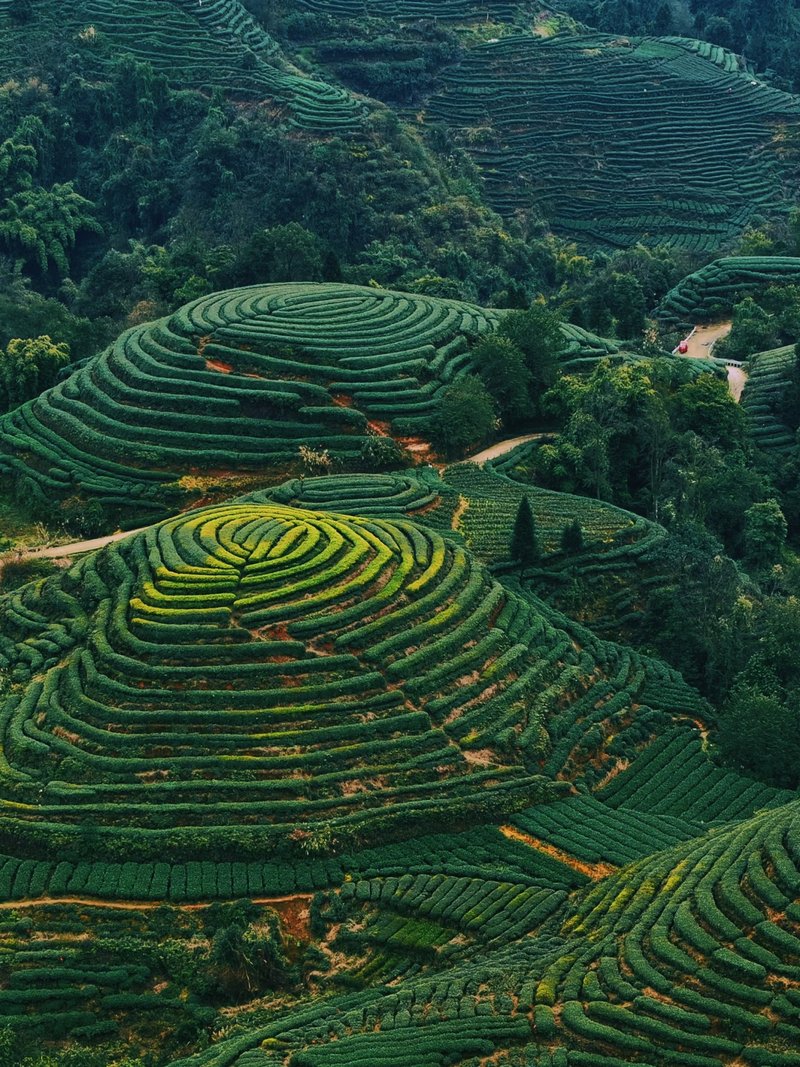
Ya'an was also the starting point of the ancient Tea-Horse Road, which carried tea from Sichuan across the Tibetan Plateau for over a thousand years. Today, its hillsides are shaped by contour-planted tea gardens that curve around the slopes in tight, swirling rows.
Every Chinese tea — from a delicate green to a deep, aged pu'er — falls into one of six categories, defined mainly by how much the leaf is oxidized, or "fermented," during processing.

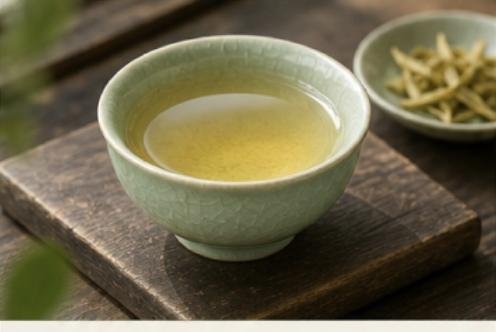
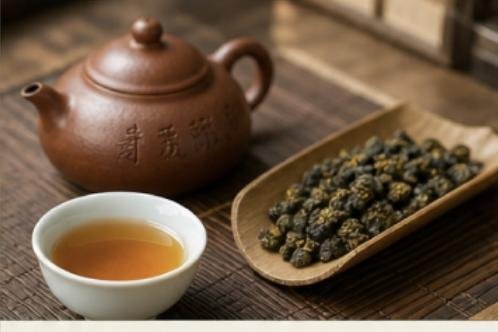
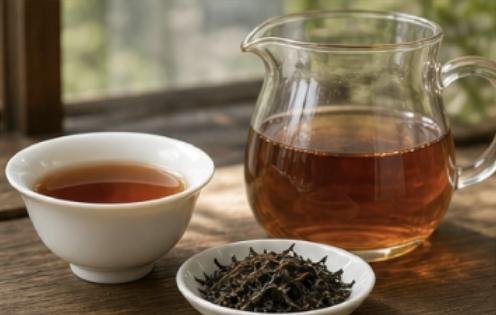
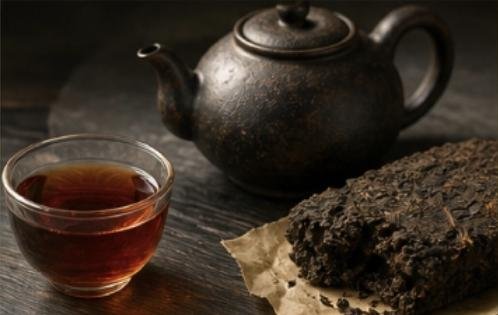
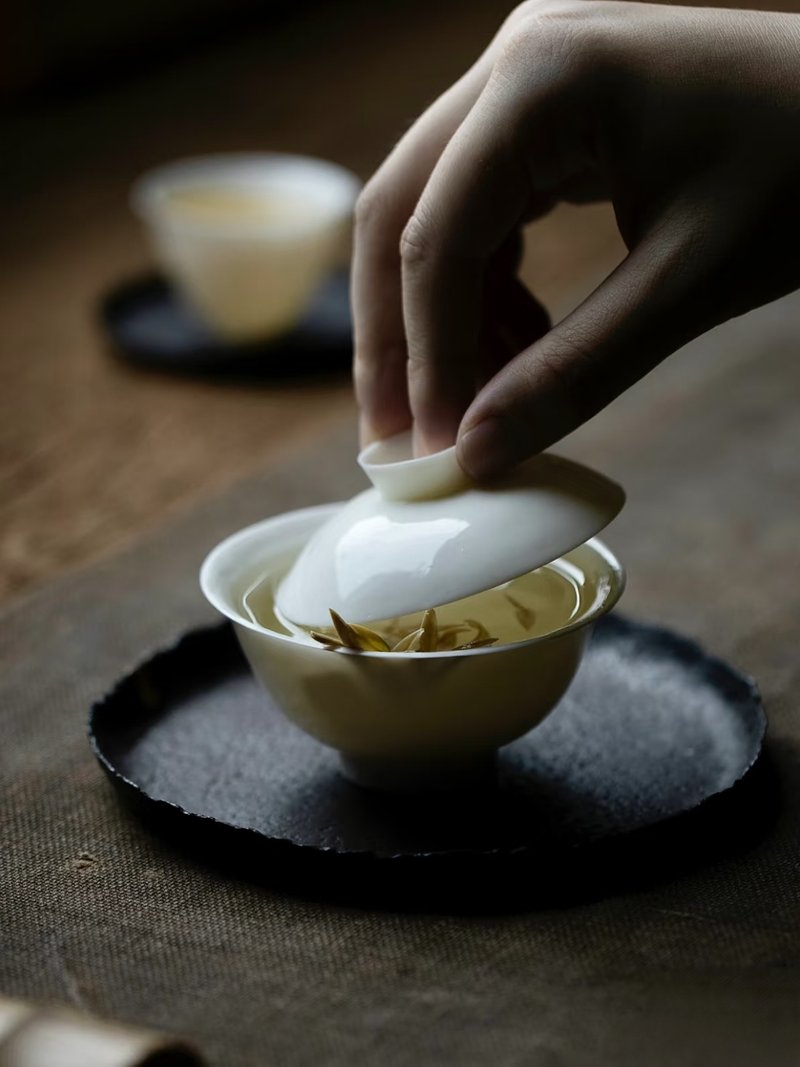
Traditional Chinese tea preparation — often called Gongfu tea — isn't a fixed ritual so much as a slower, more attentive way of making tea. A few of its steps:
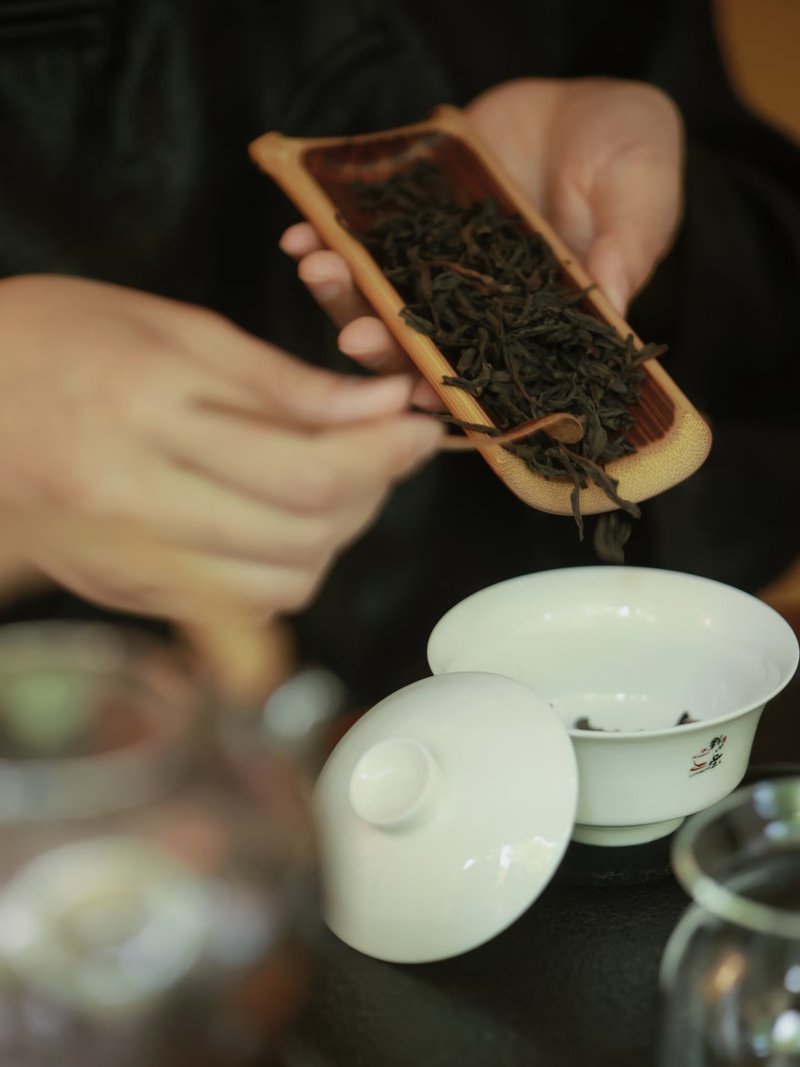
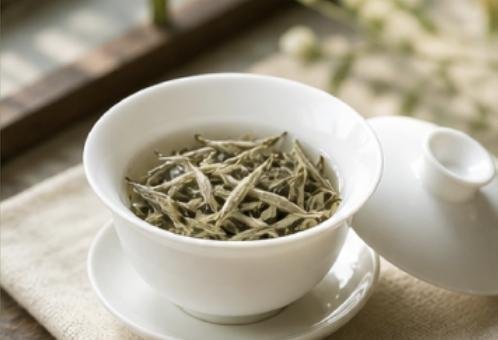
The dry leaves are appreciated first — their shape and aroma — then measured into the gaiwan or teapot.
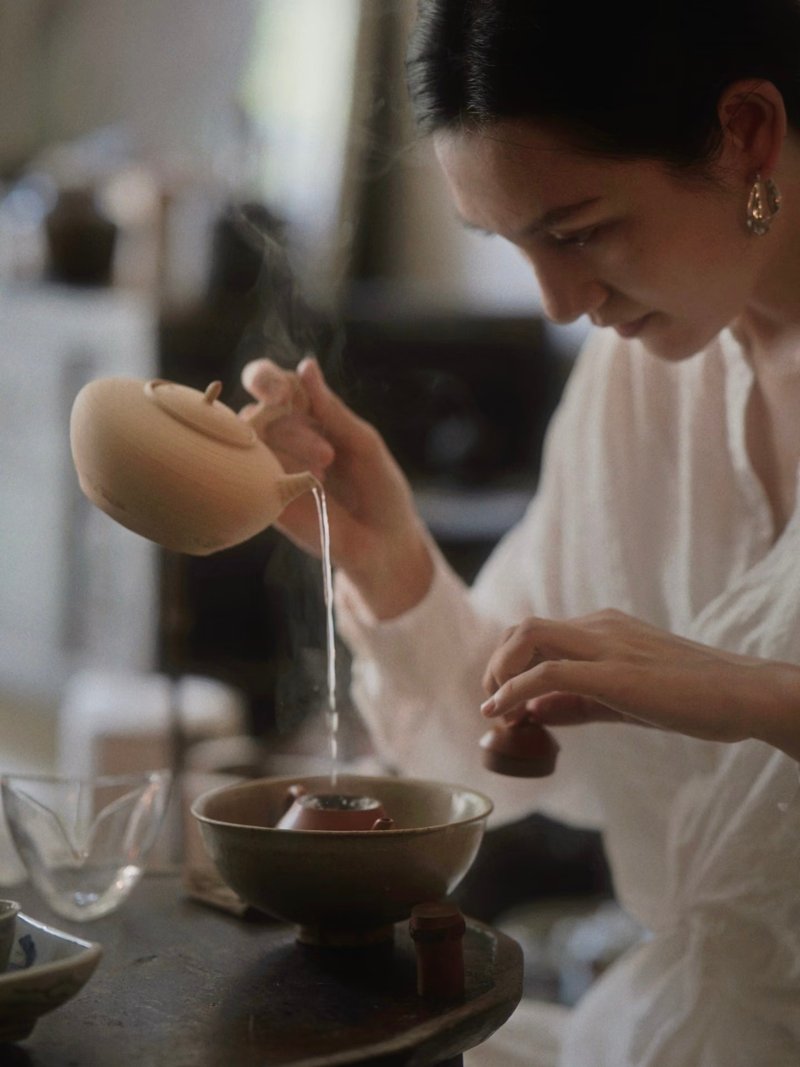
Hot water is poured over the pot itself before brewing, warming it through and helping the tea's aroma open up.
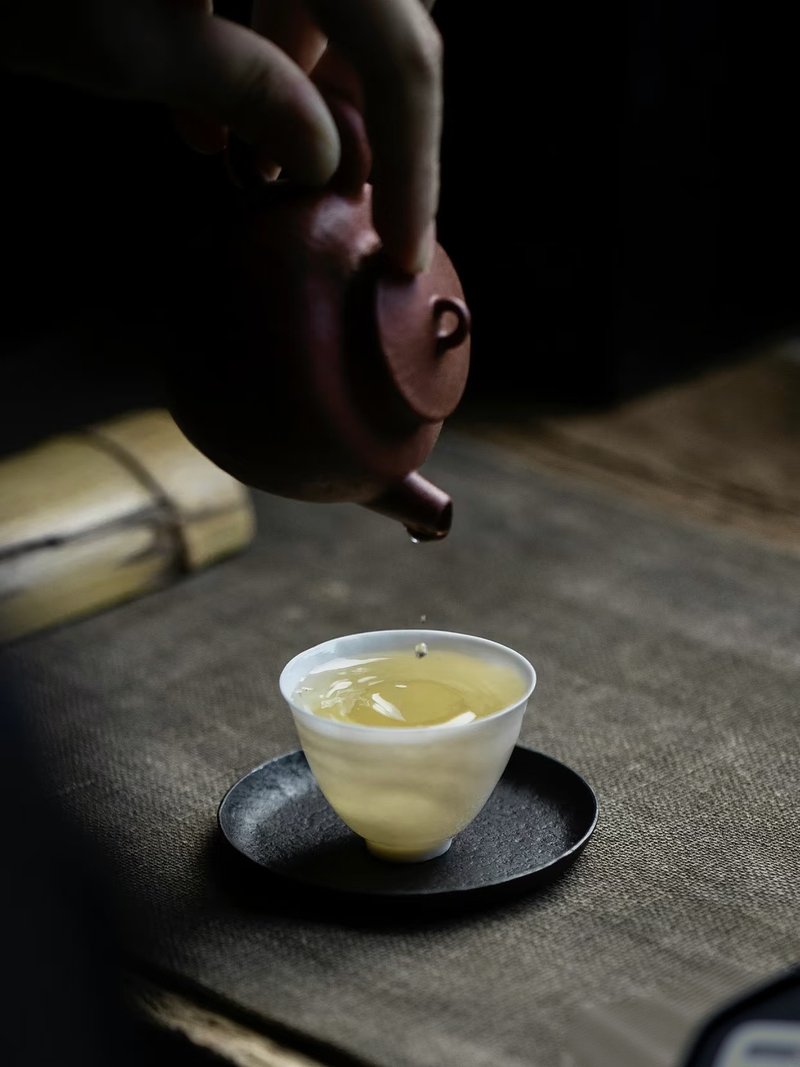
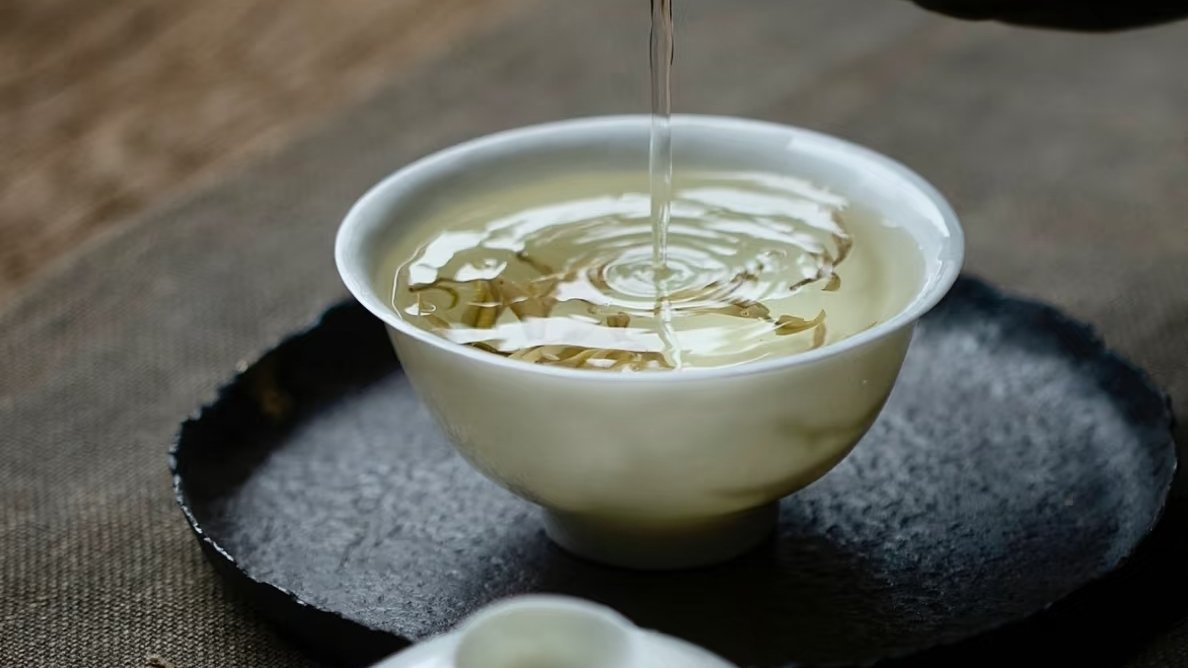
Tea is poured in a slow, deliberate stream and served to guests — often the smallest cup first, as a small gesture of respect.
Book this as a standalone half-day experience, or add it to any Hidden China itinerary.
Enquire on WhatsApp →