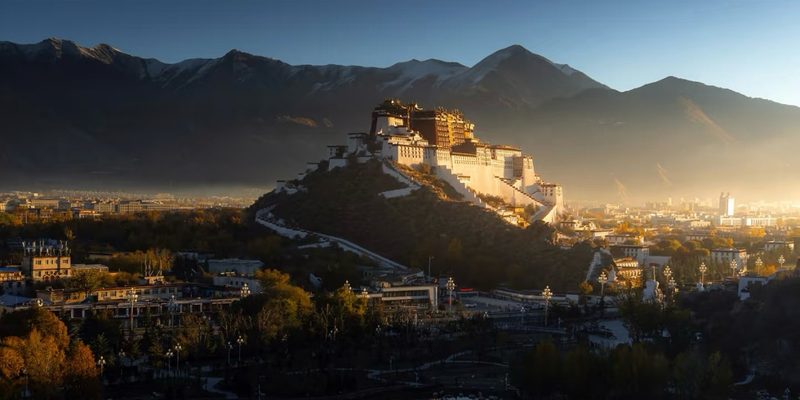
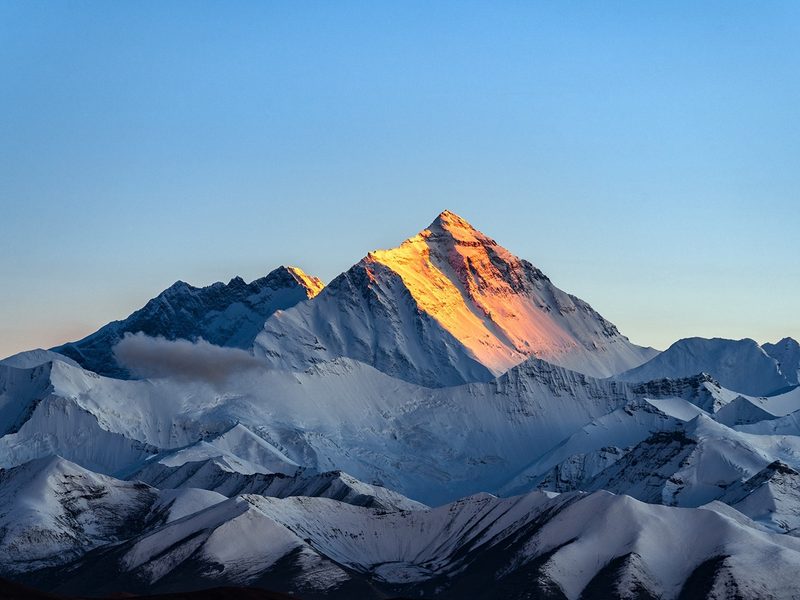
A spiritual journey through Tibet — combining sacred monasteries, pilgrimage culture, highland lakes, glaciers, and views of Mount Everest from the Tibetan side. From Lhasa's ancient old city and great monasteries to Yamdrok Lake, the Karola Glacier, and the north face of Everest.
Designed for travelers who want to understand Tibetan Buddhist culture while still experiencing Tibet's classic landscapes — culture and nature woven into one meaningful journey across eight days.
Perfect for
- First-time Tibet travelers wanting to understand Tibetan Buddhist culture
- Travelers curious about monasteries, pilgrimage routes, and local Tibetan life
- Those who want Lhasa, Shigatse, and Everest North Side within eight days
- Travelers who enjoy a mix of cultural depth and natural highland scenery
- Travelers prepared for high altitude, longer scenic drives, and remote overnight stays
| Day | Route | Overnight | Drive |
|---|---|---|---|
| Day 1 | Arrival in Lhasa | Lhasa | Airport / station transfer |
| Day 2 | Lhasa — Potala Palace · Jokhang Temple · Barkhor Street | Lhasa | ~5–10 km city tour |
| Day 3 | Drepung Monastery → Sera Monastery | Lhasa | ~30 km |
| Day 4 | Lhasa → Yamdrok Lake → Karola Glacier → Pelkor Monastery → Shigatse | Shigatse | ~430 km |
| Day 5 | Shigatse → Gyatso La Pass → Rongbuk Monastery → Everest North Side | Everest tent / Basong Village | ~340 km |
| Day 6 | Everest Viewing Area → Gawula Pass → Shigatse | Shigatse | ~330 km |
| Day 7 | Shigatse → Tashilhunpo Monastery → Lhasa | Lhasa | ~275 km |
| Day 8 | Departure from Lhasa | — | Airport / station transfer |
You arrive in Lhasa by flight or train. Upon arrival at Lhasa Gonggar Airport or Lhasa Railway Station, our staff will meet you and transfer you to your hotel in the city. Lhasa Gonggar Airport sits roughly 60km from the city itself, giving you a first glimpse of the wide Yarlung Tsangpo river valley and the barren, dramatic mountains that ring the Tibetan capital on the drive in.
Known as the "City of Sunshine," Lhasa sits at approximately 3,650 metres above sea level. For most first-time travelers to Tibet, the first day is mainly about slowing down, resting, and allowing the body to adjust to the altitude. If you arrive early and feel comfortable, a short gentle walk near the hotel gives a first impression of the city. Lhasa earns its nickname from more than 3,000 hours of sunshine a year, among the highest totals of any major city in the world, a product of its high, thin, dry atmosphere. The city has served as the political and spiritual center of Tibetan Buddhism for over a thousand years, ever since it was made the capital of the Tibetan Empire in the 7th century.
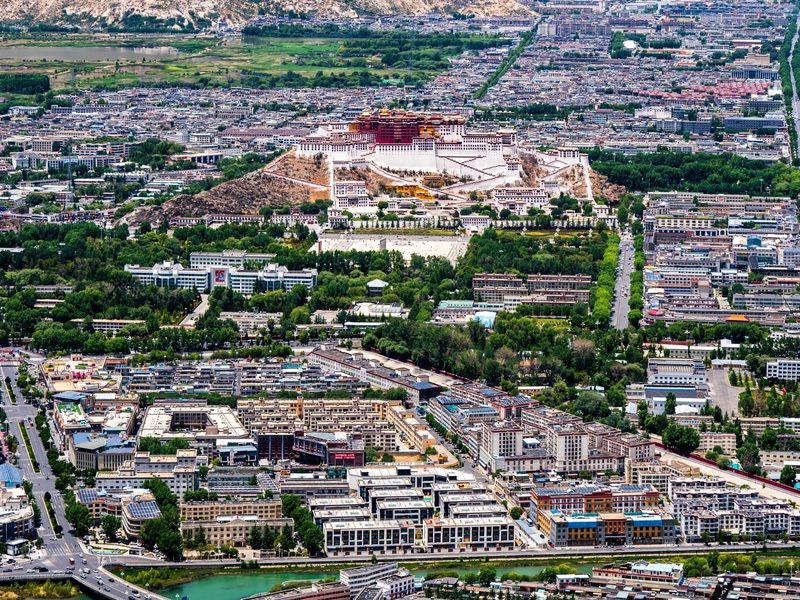
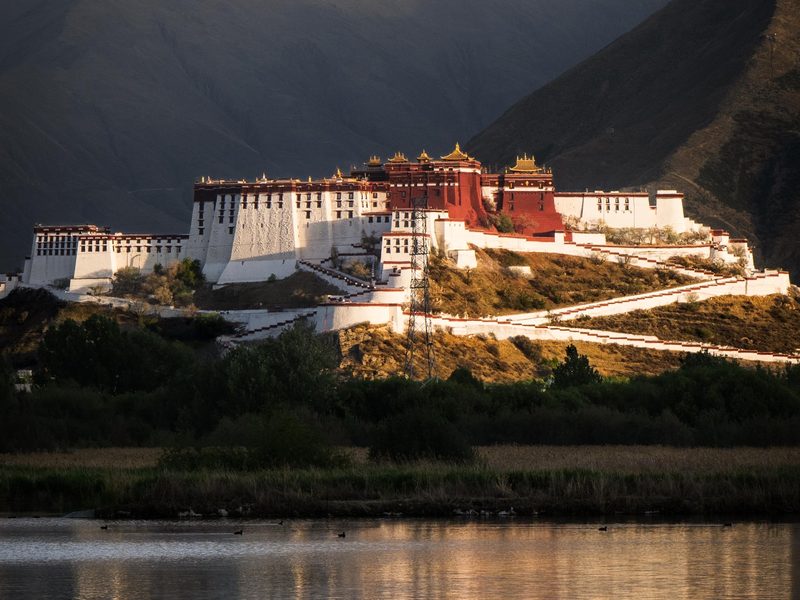
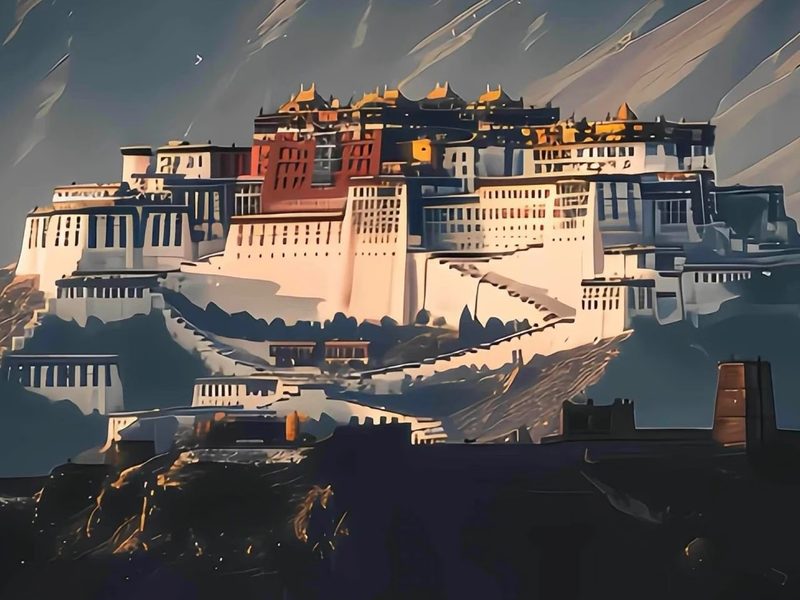
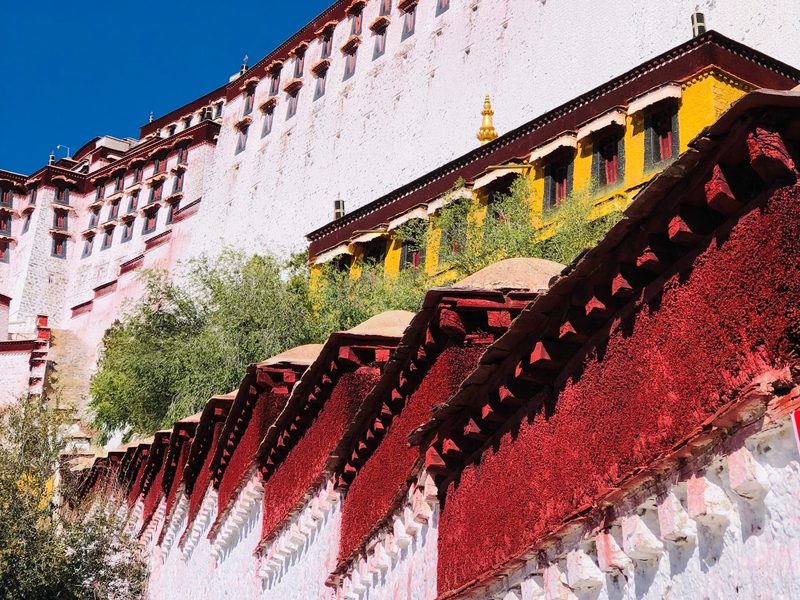
After breakfast, we visit Potala Palace — one of Tibet's most iconic landmarks, built on a hillside above the city. A palace-fortress that is one of the best starting points for understanding Tibet's history, architecture, and religious culture. We then continue to Yaowang Mountain Viewpoint, the classic location for photographing the Potala Palace. The palace as it stands today was largely built in the 17th century under the Fifth Dalai Lama, though a fortress had occupied the site since the 7th century; rising 13 stories across its White and Red Palace sections, it served as the winter residence of the Dalai Lamas until 1959 and was inscribed as a UNESCO World Heritage Site in 1994.
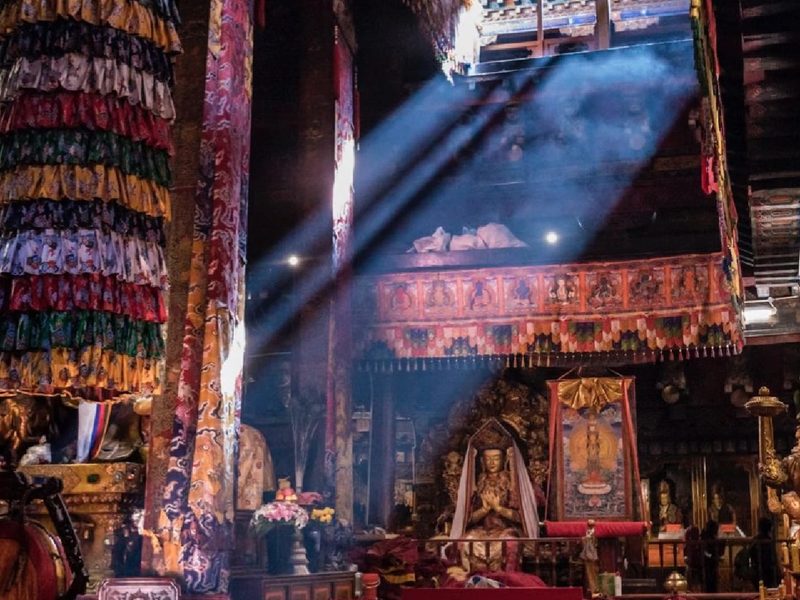
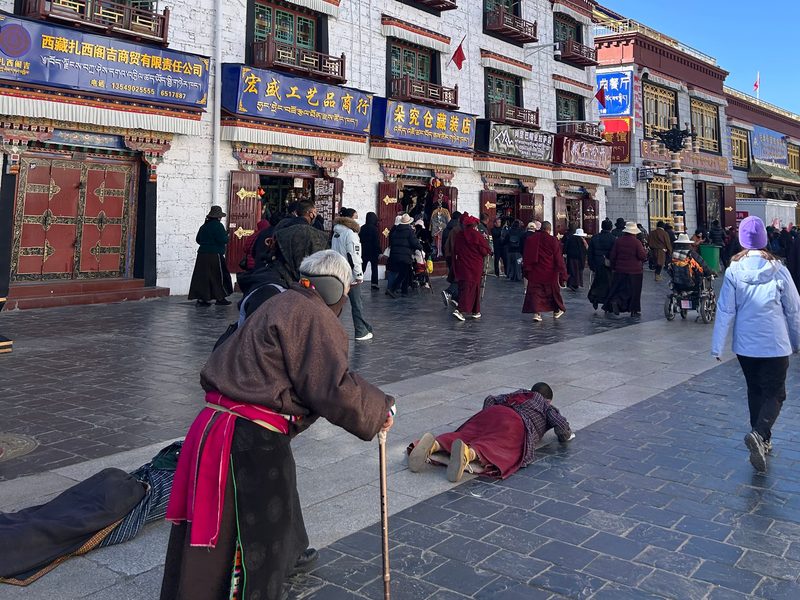
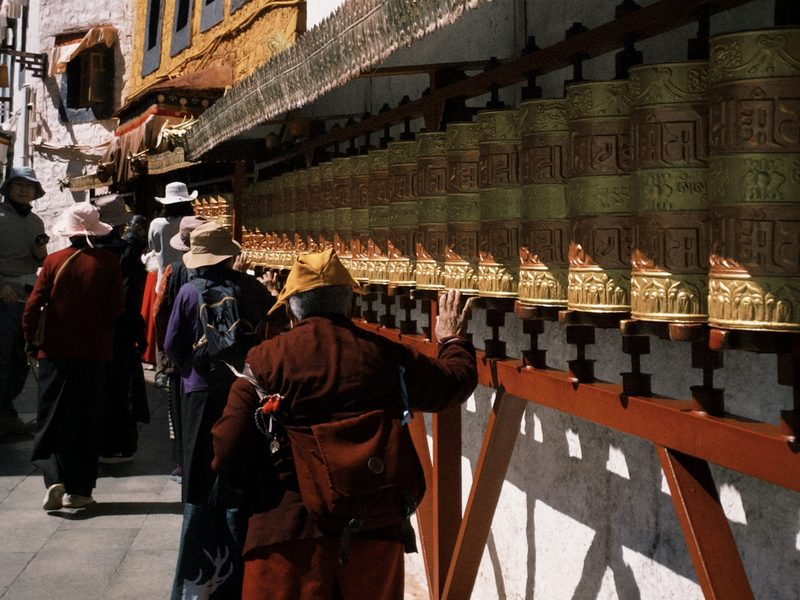
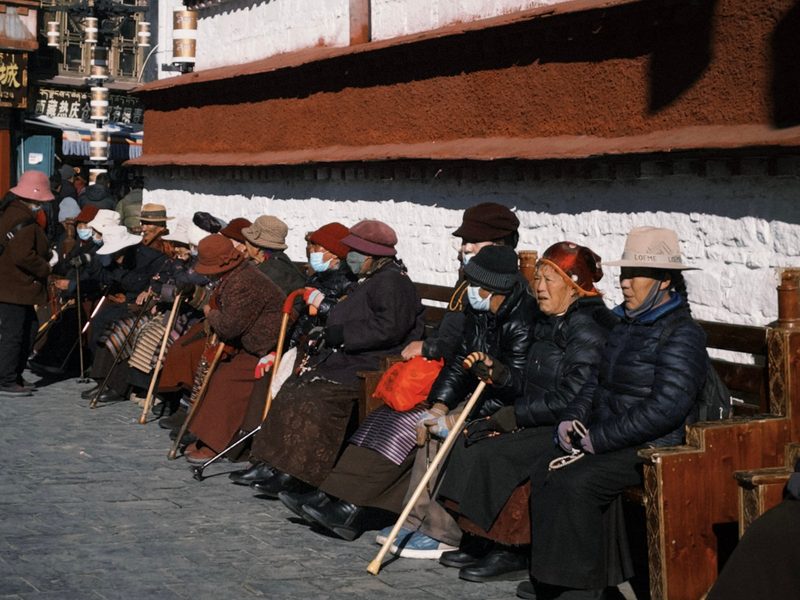
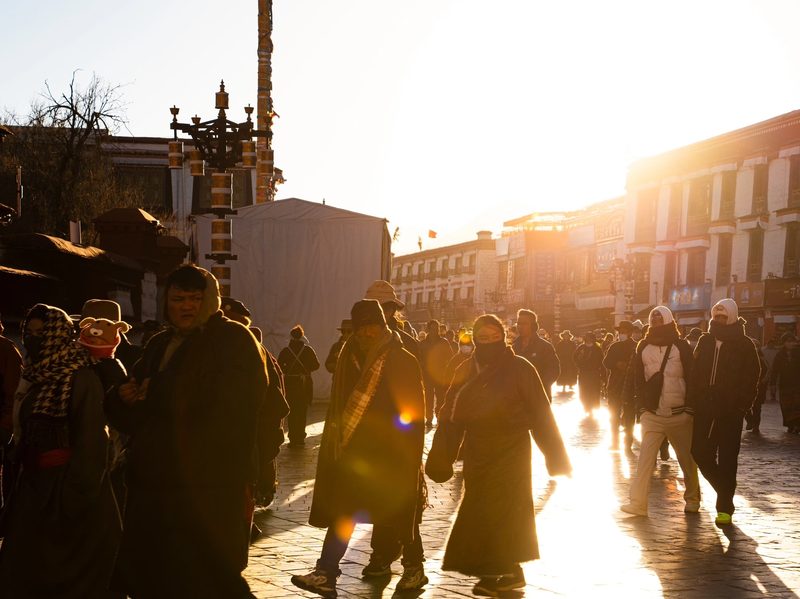
Next, we visit Jokhang Temple, one of the most important Tibetan Buddhist temples in Lhasa. Built in the 7th century, it remains a major spiritual center for local pilgrims and an essential part of Lhasa's living culture. Later, we explore Barkhor Street — the traditional pilgrimage circuit around Jokhang Temple, where pilgrims, local shops, Tibetan architecture, incense, and everyday life all come together. Many Tibetan Buddhists consider Jokhang the most sacred temple in all of Tibet, which is why the prayer circuit around it, the Barkhor, has been walked clockwise by pilgrims for well over a thousand years.
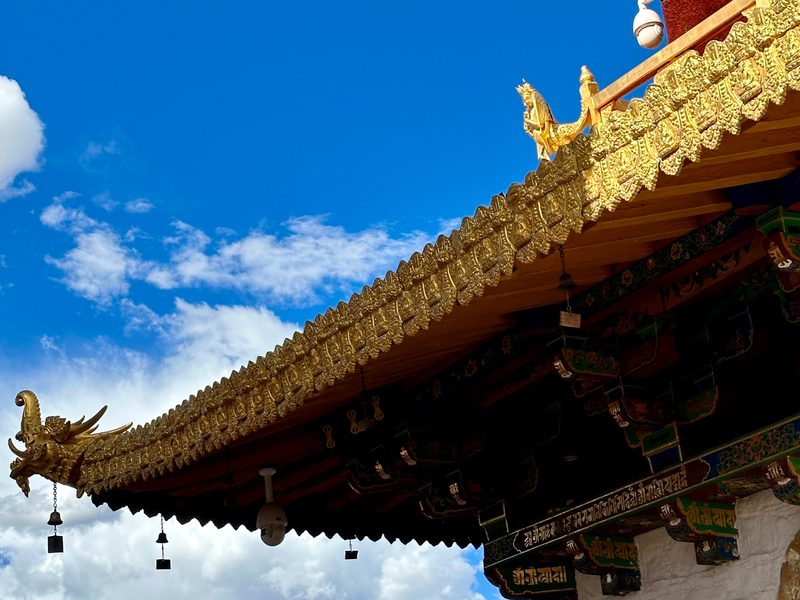
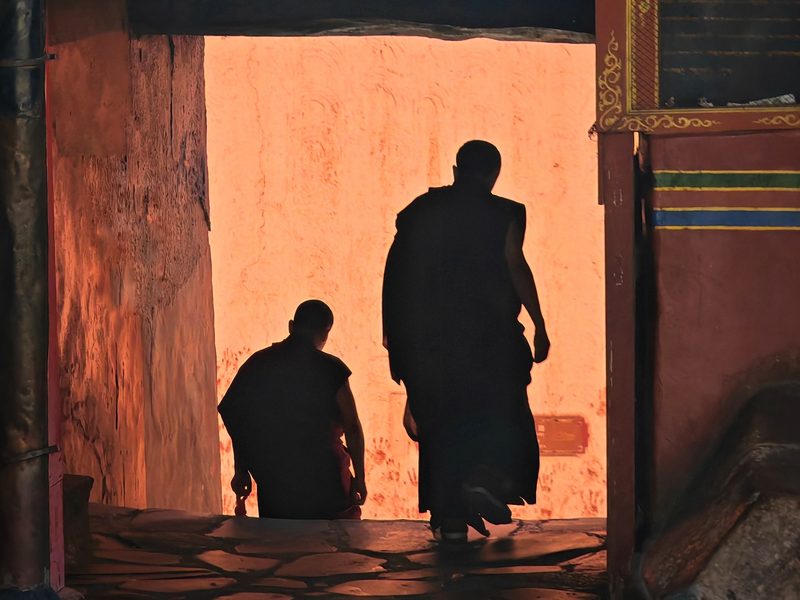
After breakfast, we visit Drepung Monastery, one of the great monasteries of the Gelug school of Tibetan Buddhism. Drepung has played a central role in Tibet's religious and educational history — it gives travelers a window into the scale of Tibetan Buddhist institutions and the historical role of monasteries in Tibetan society.
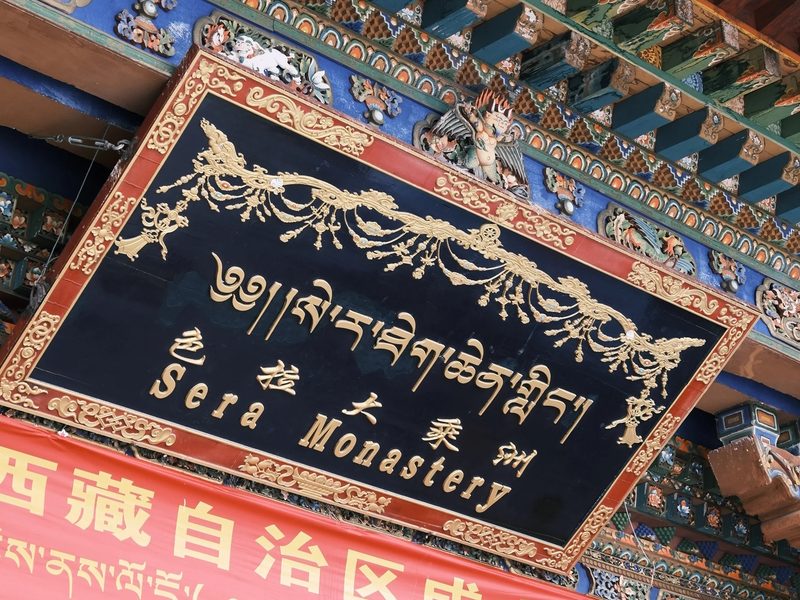
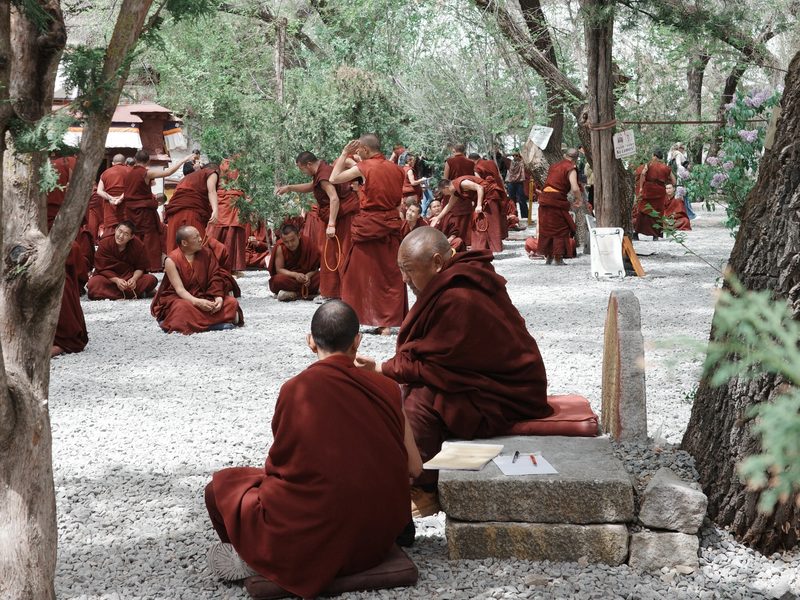
In the afternoon, we visit Sera Monastery, another of Lhasa's three great monasteries. Sera has long been an important center for Buddhist learning and study. If conditions allow, you may witness Sera's famous monastic debate practice — where monks engage in philosophical debate as a method of Buddhist study. For visitors unfamiliar with Tibetan Buddhism, it offers a meaningful glimpse into the intellectual side of monastic life.
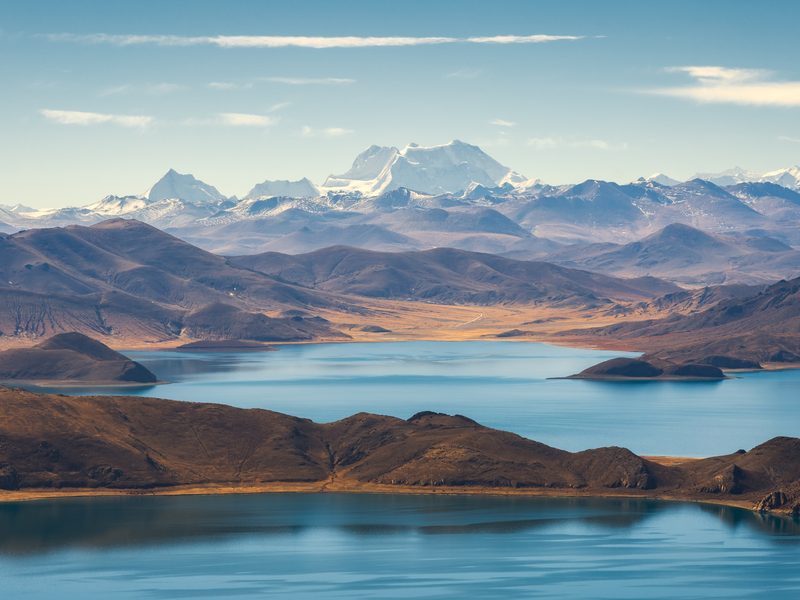
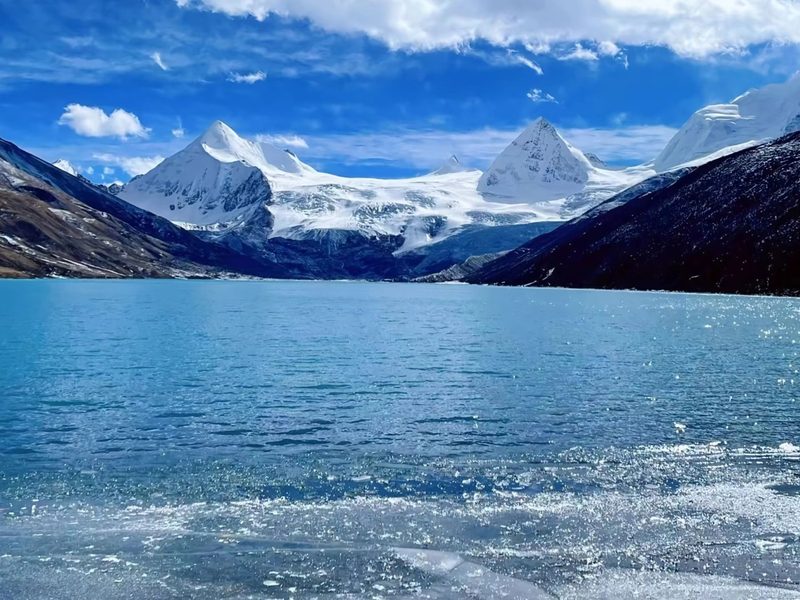
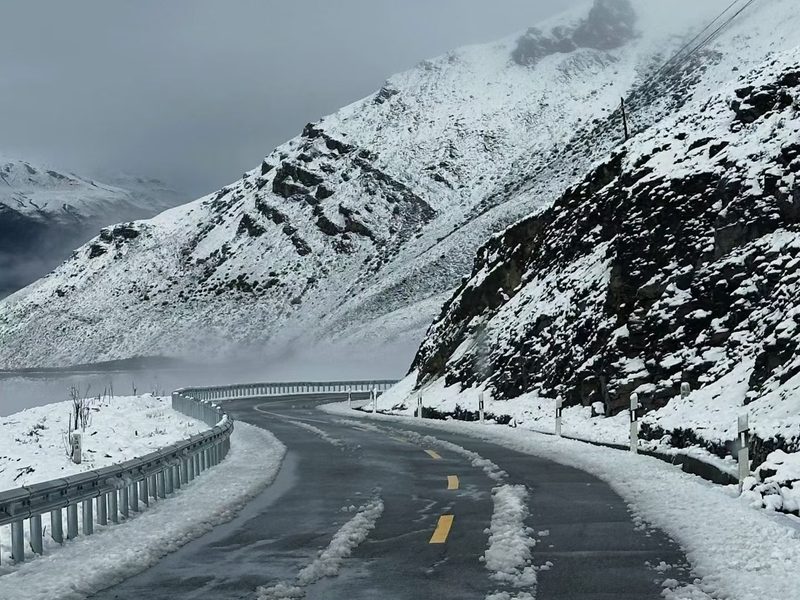
After breakfast, we leave Lhasa and drive toward Yamdrok Lake — one of Tibet's most sacred highland lakes, often listed among Tibet's three sacred lakes. The color of the lake shifts between deep blue, turquoise, and green with the changing light and weather. Its quiet surface, open sky, and surrounding mountains create one of Tibet's most memorable landscapes.
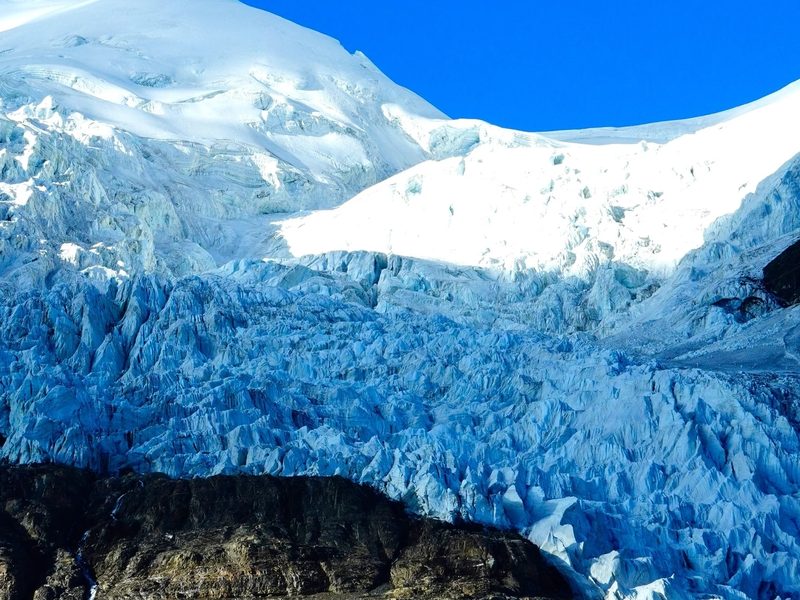
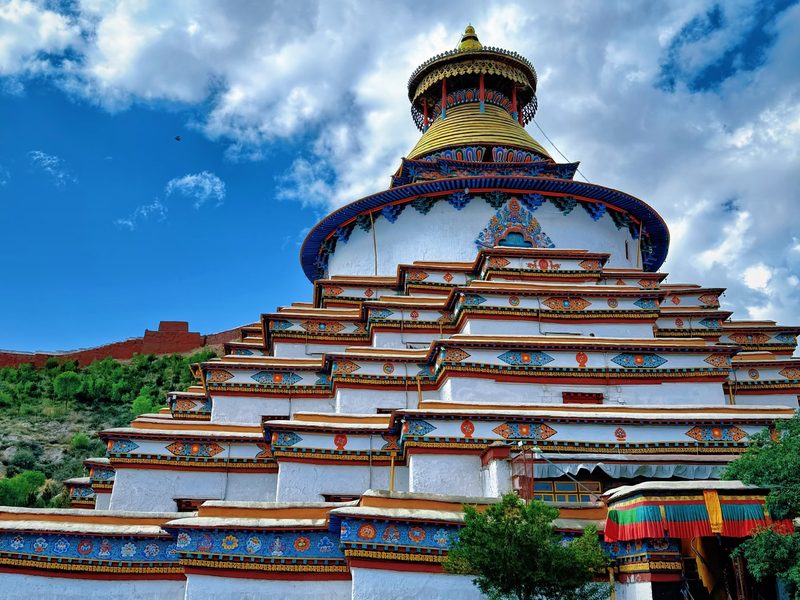
We then continue to Karola Glacier, one of Tibet's well-known glacier landscapes, viewed conveniently from a roadside viewpoint. Later, we arrive in Gyantse and visit Pelkor Monastery — built in 1427 and known for its unique monastery-within-a-stupa complex, an important landmark for understanding the religious architecture of western Tibet. By evening, we arrive in Shigatse.
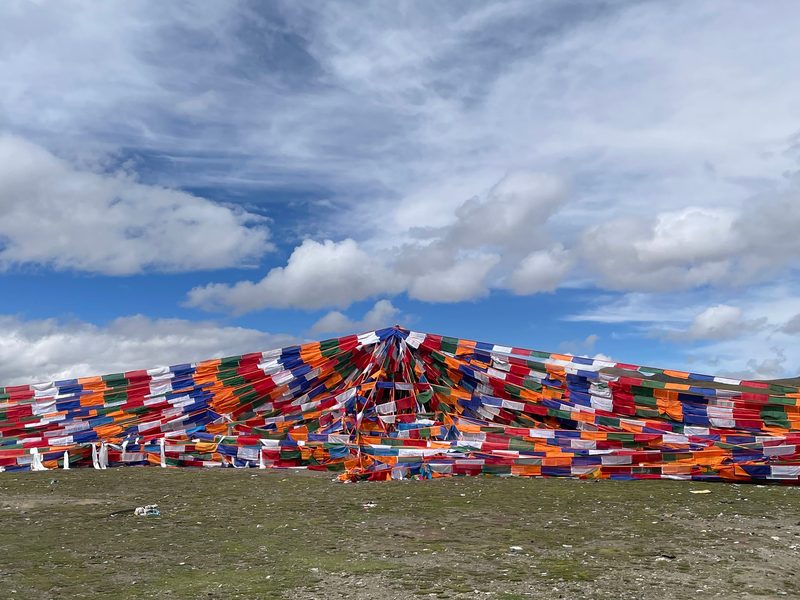
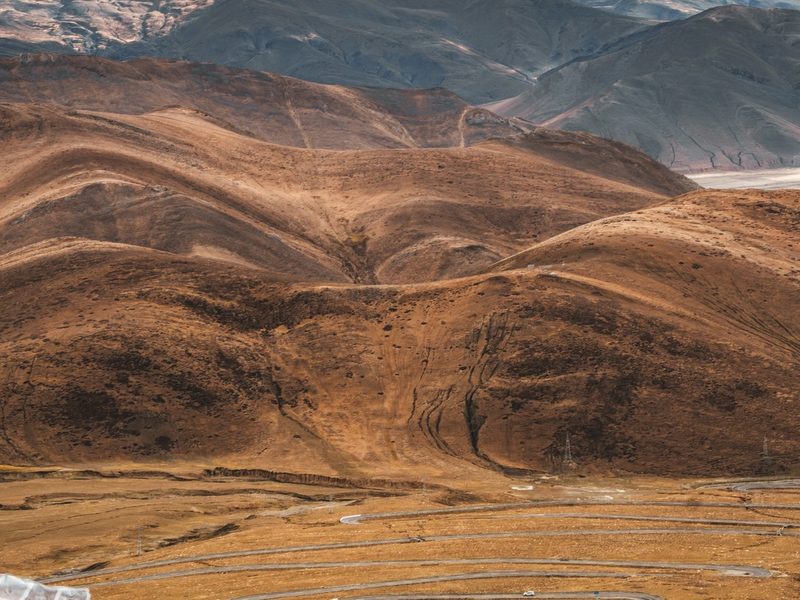
After breakfast, we leave Shigatse and drive toward the Everest region — one of the highest-altitude sections of the journey, passing vast plateau landscapes and mountain passes. We cross Gyatso La Pass, where on clear days you get a dramatic sense of the Tibetan Plateau's scale and the mountain landscapes leading toward Everest.
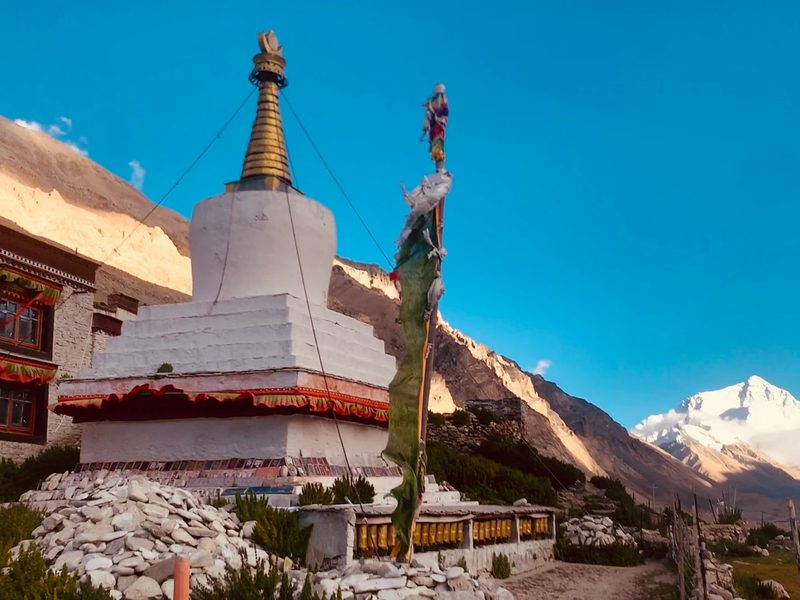
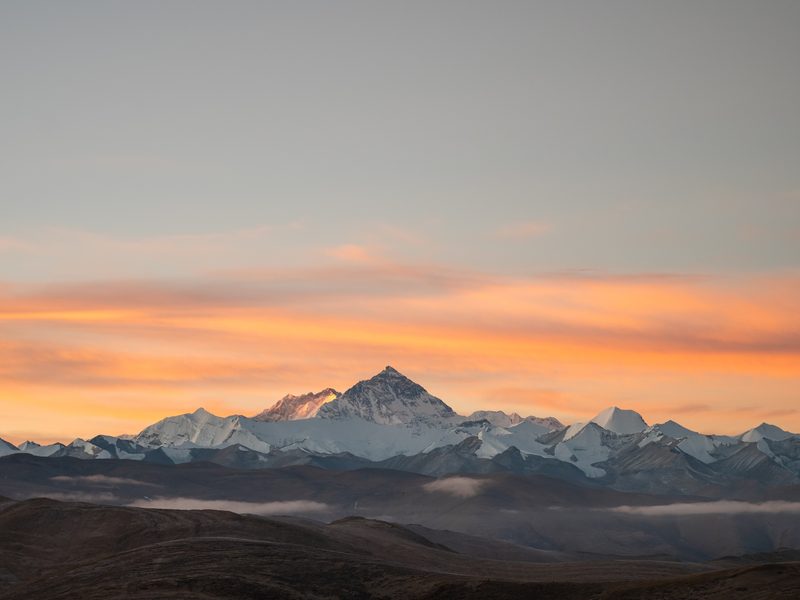
We enter Mount Everest National Nature Reserve and visit Rongbuk Monastery, founded in 1899 and one of the highest monasteries in the world. Situated near the north face of Everest, its location is deeply symbolic — Tibetan Buddhist culture, the high plateau, and the world's highest mountain meet in one landscape. Overnight accommodation depends on the season: Everest tents in regular conditions, or Basong Village guesthouse in winter.
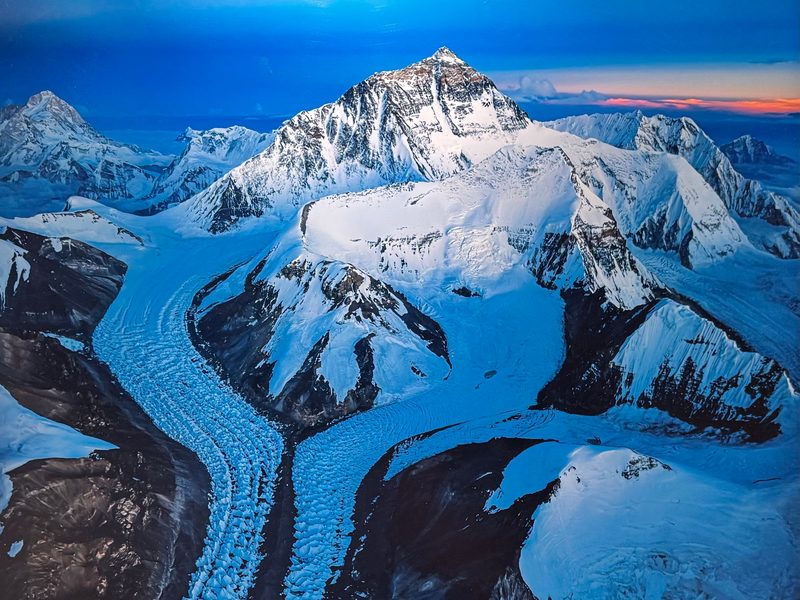
After breakfast, we leave the Everest region and return toward Shigatse. If the weather is clear, there may be another opportunity to see Mount Everest in the morning or along the return route. Shigatse, our destination for the night, is Tibet's second-largest city and has long been the traditional seat of the Panchen Lama, the second-highest-ranking figure in Tibetan Buddhism after the Dalai Lama.
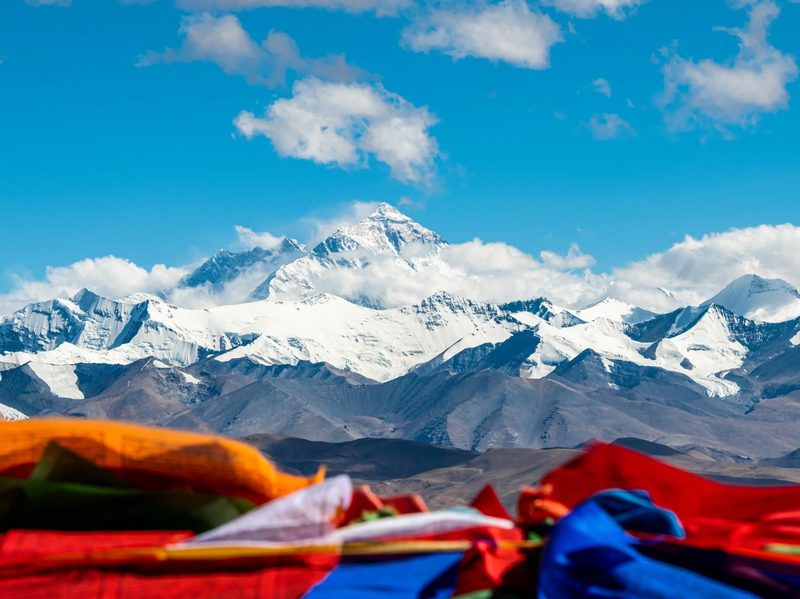
We then cross Gawula Pass, one of the best panoramic Himalayan viewpoints on the Tibetan side. On clear days, you may see several 8,000-metre peaks — including Makalu, Lhotse, Mount Everest, Cho Oyu, and Shishapangma. Afterward, we continue back to Shigatse, where lower altitude and more stable accommodation allow for a proper rest after the high-altitude overnight stay. Seeing five of the world's fourteen 8,000-metre peaks from a single roadside viewpoint is a rare privilege even within Tibet, and Gawula Pass is considered one of the most complete Himalayan panoramas accessible by vehicle anywhere on the plateau.
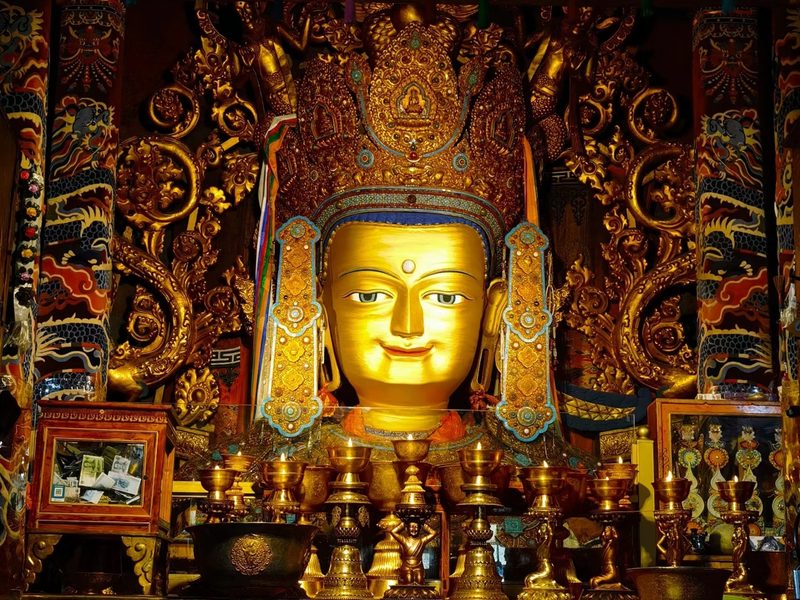
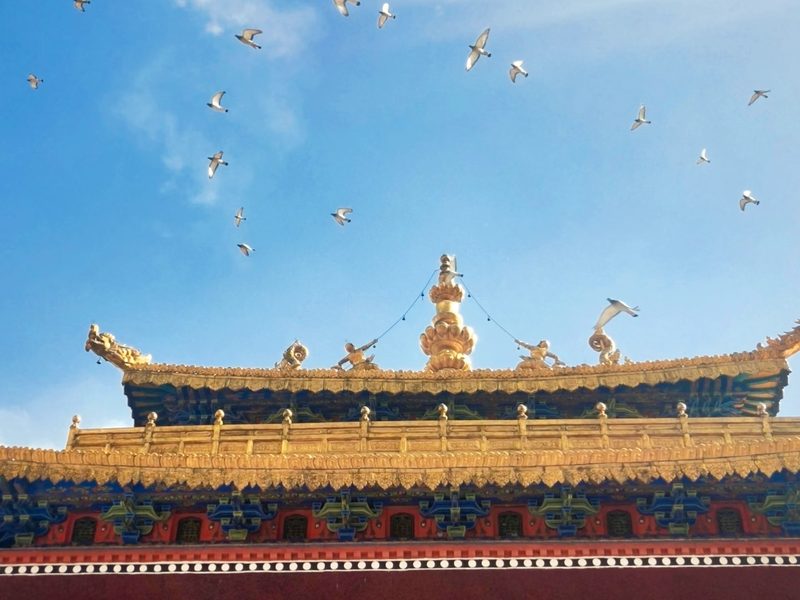
After breakfast, we visit Tashilhunpo Monastery, one of the most important monasteries of the Gelug school of Tibetan Buddhism. Founded in 1447, it is one of Shigatse's defining cultural landmarks, combining religious history, art, architecture, and local spiritual life. For travelers, Tashilhunpo deepens the understanding of western Tibet's religious culture — Tibet is not only Lhasa's Potala Palace and Jokhang Temple, but also Shigatse's significant place in Tibetan Buddhist history. Tashilhunpo has served as the traditional seat of the Panchen Lamas since its founding, and its Maitreya Chapel houses one of the largest gilded copper statues in the world — a seated Future Buddha over 26 metres tall, built in the early 20th century.
After the visit, we drive back to Lhasa along the highway / Yarlung Tsangpo River valley route. Check your luggage and travel documents in the evening ahead of tomorrow's departure. The drive follows the Yarlung Tsangpo, Tibet's longest river and one of the highest major rivers in the world, its wide braided channel and terraced farmland offering a very different, gentler landscape from the high passes and glaciers of the preceding days.
After breakfast, transfer to Lhasa Gonggar Airport or Lhasa Railway Station according to your flight or train schedule. Before leaving the hotel, please check your passport, travel documents, electronics, chargers, and personal belongings. The drive back retraces the Yarlung Tsangpo valley one last time, giving a final look at the wide river plain and barren mountains that frame Lhasa — a fitting closing view of a journey that began, eight days earlier, with that exact same landscape on arrival. If you're departing by train, Lhasa Railway Station sits on one of the highest rail lines in the world, the Qinghai-Tibet Railway, which crosses passes above 5,000m on its route to and from the Chinese mainland. Over the past eight days the journey moved from Lhasa's monasteries and pilgrimage streets, across Yamdrok Lake and the Karola Glacier, to the north face of Everest and back through Shigatse's Tashilhunpo Monastery — touching both the religious heart of Tibetan Buddhism and some of its most dramatic Himalayan scenery. Please make sure your Tibet Travel Permit and other travel documents stay with you or your guide until you have cleared the final checkpoint, as these are checked again on departure.
- Tibet Travel Permit application assistanceRequired for all foreign travelers entering Tibet — arranged on your behalf once your passport, visa and itinerary details are confirmed.
- Fully private vehicle with an experienced local driverFuel, tolls and road expenses included.
- English-speaking Tibetan guide throughout the tripRequired by regulation for foreign travelers in Tibet.
- Arrival transfer in LhasaPick-up from Lhasa Gonggar Airport or railway station to your hotel.
- Entrance tickets to all monasteries and scenic areas listed in the itineraryIncluding Potala Palace, Jokhang Temple, Sera Monastery and Pelkor Monastery.
- 7 nights of carefully selected accommodation based on your chosen package
- Daily hotel breakfast
- Portable oxygen supply — one canister per person per day
- English-language support: digital audio guides plus 24/7 WhatsApp text assistance throughout the trip
- Flights or train tickets to/from Lhasa
- Chinese visa fee
- Lunches and dinnersMeals are left flexible so you can choose what and where you would like to eat.
- Personal expensesSuch as souvenirs and other personal purchases.
- Travel insurance
Complete Lhasa monastery experience
Potala Palace, Jokhang Temple, Barkhor Street, Drepung, and Sera Monastery together — covering architecture, pilgrimage culture, monastic life, and Buddhist learning in one city.
A clear cultural route: central to western Tibet
From Lhasa to Pelkor Monastery in Gyantse, Tashilhunpo in Shigatse, and Rongbuk Monastery near Everest — a meaningful cultural arc through the heart of Tibet.
Culture and nature in one journey
While the focus is Tibetan Buddhist culture, the itinerary also includes Yamdrok Lake, Karola Glacier, the Everest North Side, and Gawula Pass — cultural depth alongside classic Tibetan Plateau landscapes.
A meaningful introduction to Tibetan Buddhism
Not just famous landmarks, but monasteries, pilgrimage routes, teahouse life, local craft experiences, and the living spiritual atmosphere of Tibet — for travelers who want to genuinely understand what they're seeing.
Clothing
- Down jacket or warm outer layer
- Windproof jacket or shell
- Warm base layers or fleece
- Comfortable walking shoes or light hiking shoes
- Hat, scarf, and gloves
- Sunglasses
Daily Essentials
- Sunscreen (high-altitude UV is intense)
- Lip balm (high-altitude air is very dry)
- Reusable water bottle or thermos
- Portable charger / power bank
- Personal medication
- Motion sickness medicine
Altitude & Comfort
- Consult your doctor before taking altitude medication
- Portable oxygen may be available depending on arrangement
- High-energy snacks: chocolate, energy bars, beef jerky
- Small day pack or backpack
Travel Documents
- Passport
- Chinese visa
- Tibet Travel Permit
- Flight or train ticket information
- Other documents required by the travel agency
Ready to explore Tibet's monasteries and mountains?
Message us with your travel dates and group size — we'll send you a full quote and details within a few hours.