HIDDEN EXPERIENCES
Traditional Chinese Medicine
Tuina · Moxibustion · Cupping
Traditional Chinese medicine views the body as a network of meridians through which qi and blood flow, with their smooth circulation central to balance and wellbeing. It also embraces zhi wei bing—caring for your health before illness arises.
Our two carefully designed day walks in Chengdu bring this philosophy into everyday life, combining traditional Chinese medicine experiences with local culture. Depending on your chosen route, enjoy a temple vegetarian meal, find a quiet moment through Buddhist sutra copying, or try your hand at traditional crafts.
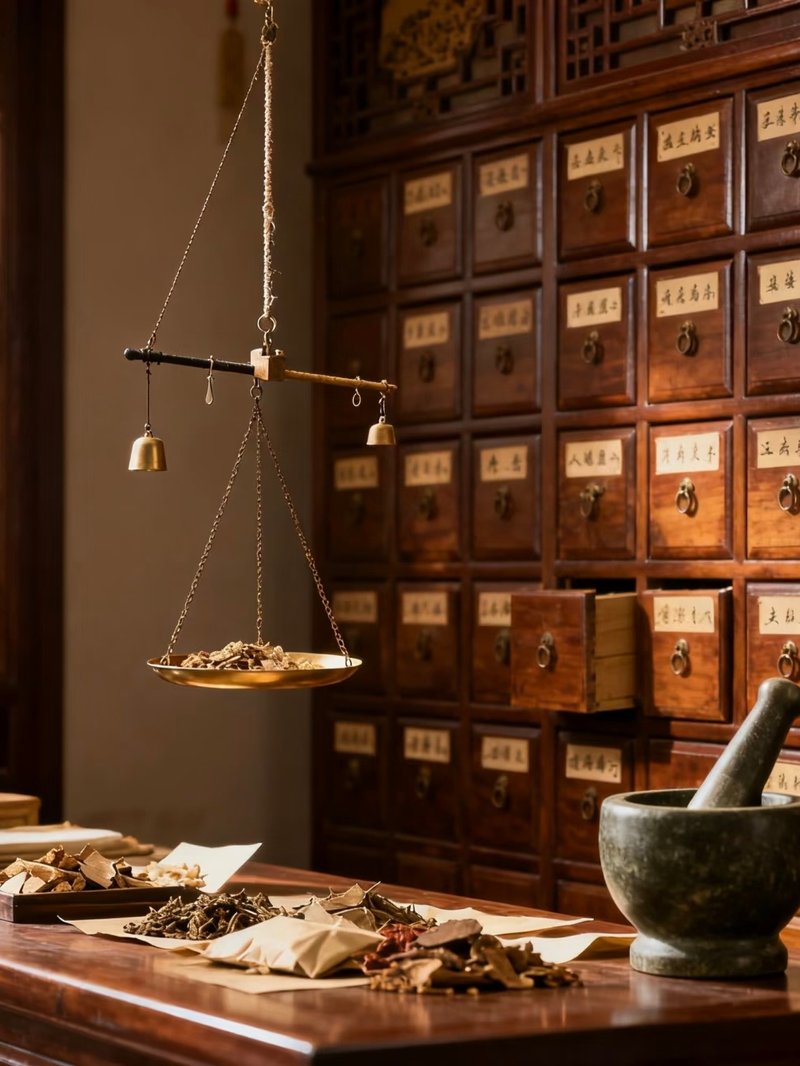
From old lanes to temple courtyards, slow down with a vegetarian meal, tea and sutra copying before experiencing traditional Chinese medicine.
View Details →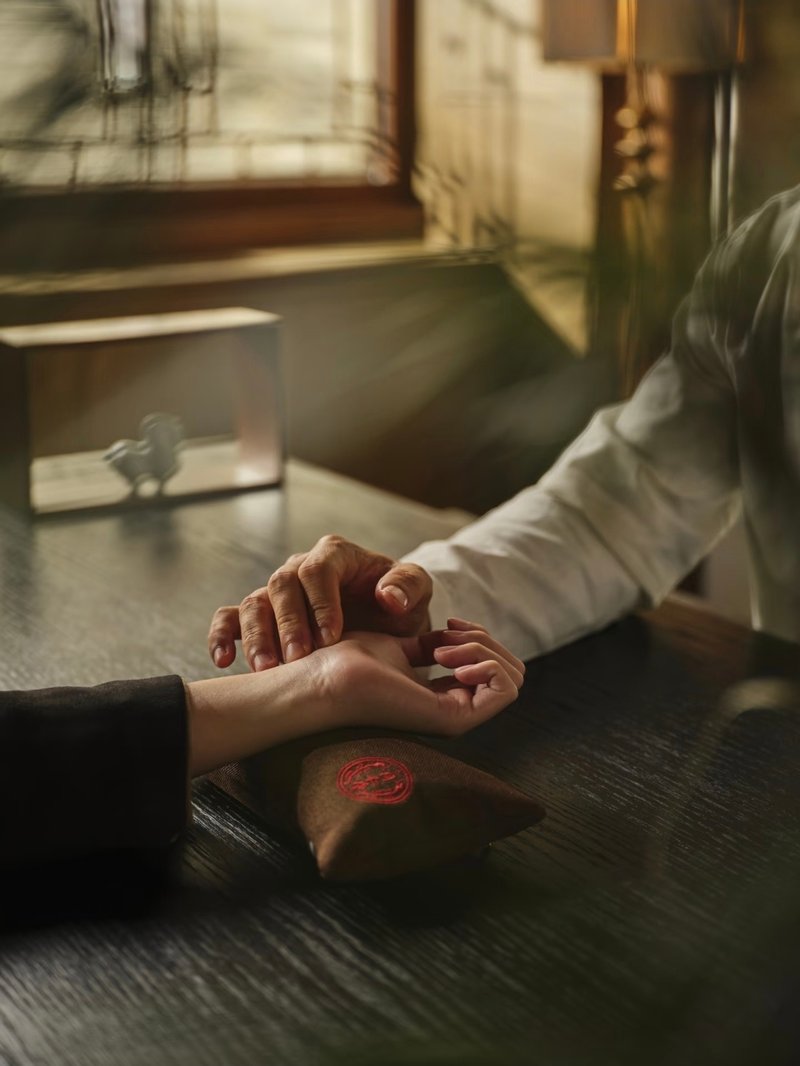
Start with crafts, enjoy a vegetarian temple meal and traditional Chinese medicine, then end the day over a hearty dinner in an old Chengdu neighborhood.
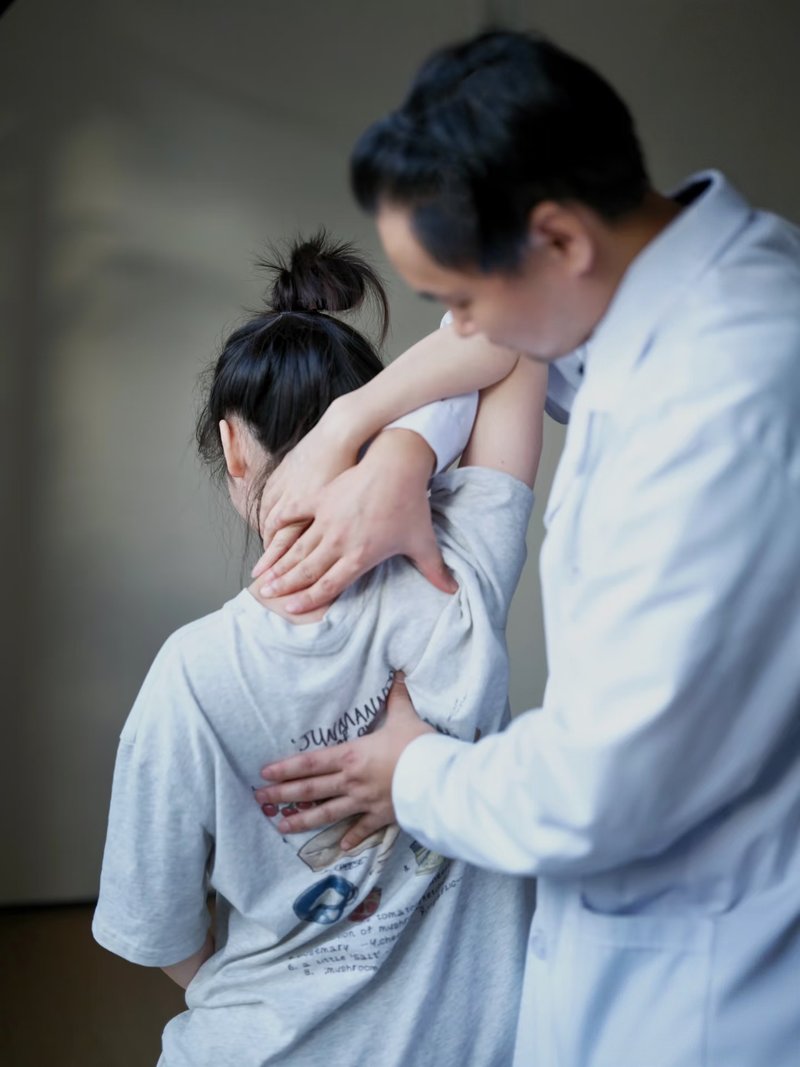
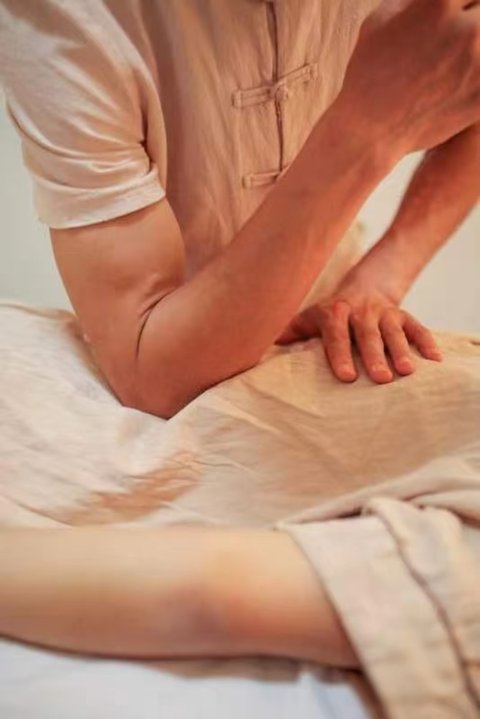
View Details →Tuina is one of the oldest branches of Traditional Chinese Medicine, practiced for centuries alongside acupuncture and herbal medicine. A trained therapist uses pressing, kneading, rolling and stretching along the body's meridians.
Tension and fatigue are often read as Qi blocked along these pathways. Tuina clears those blockages by hand, restoring flow and helping the body find balance again.
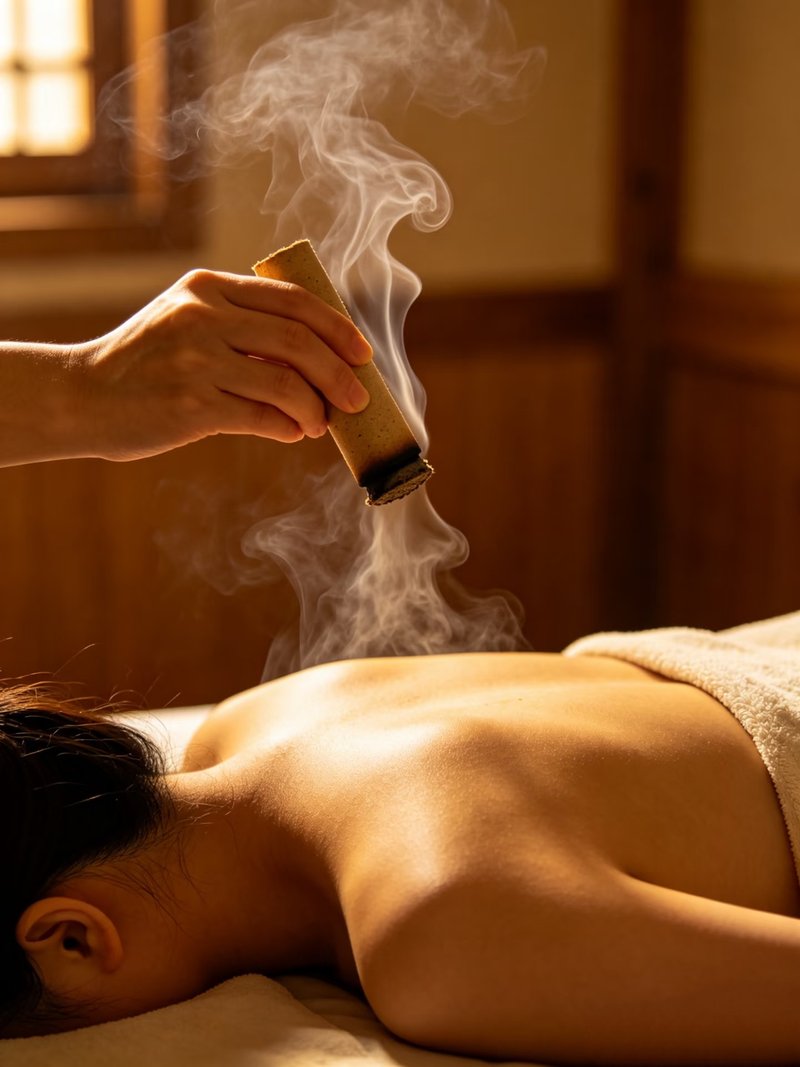
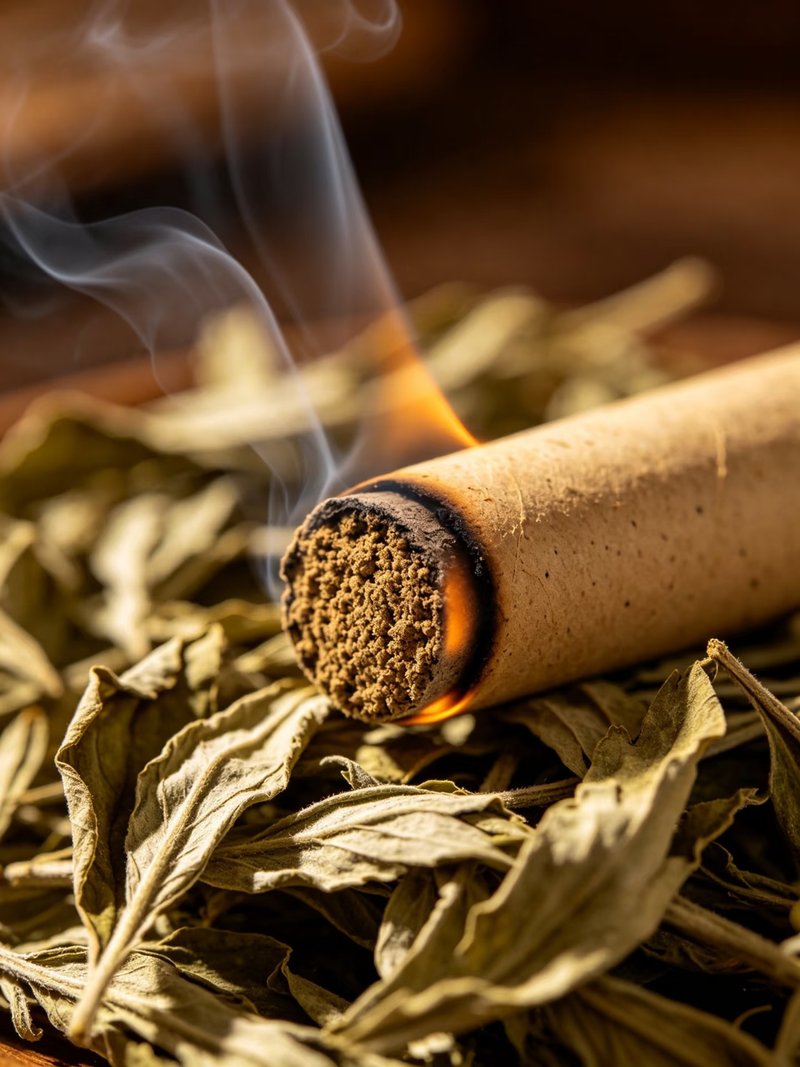
Moxibustion uses the gentle, penetrating heat of burning mugwort held close to specific points on the body. Where Tuina works through touch, moxibustion works through warmth.
Cold hands, joint aches that worsen in damp weather, low energy — TCM reads these as "cold" settling into the body. Moxibustion warms the meridians so Qi and Blood move freely again.
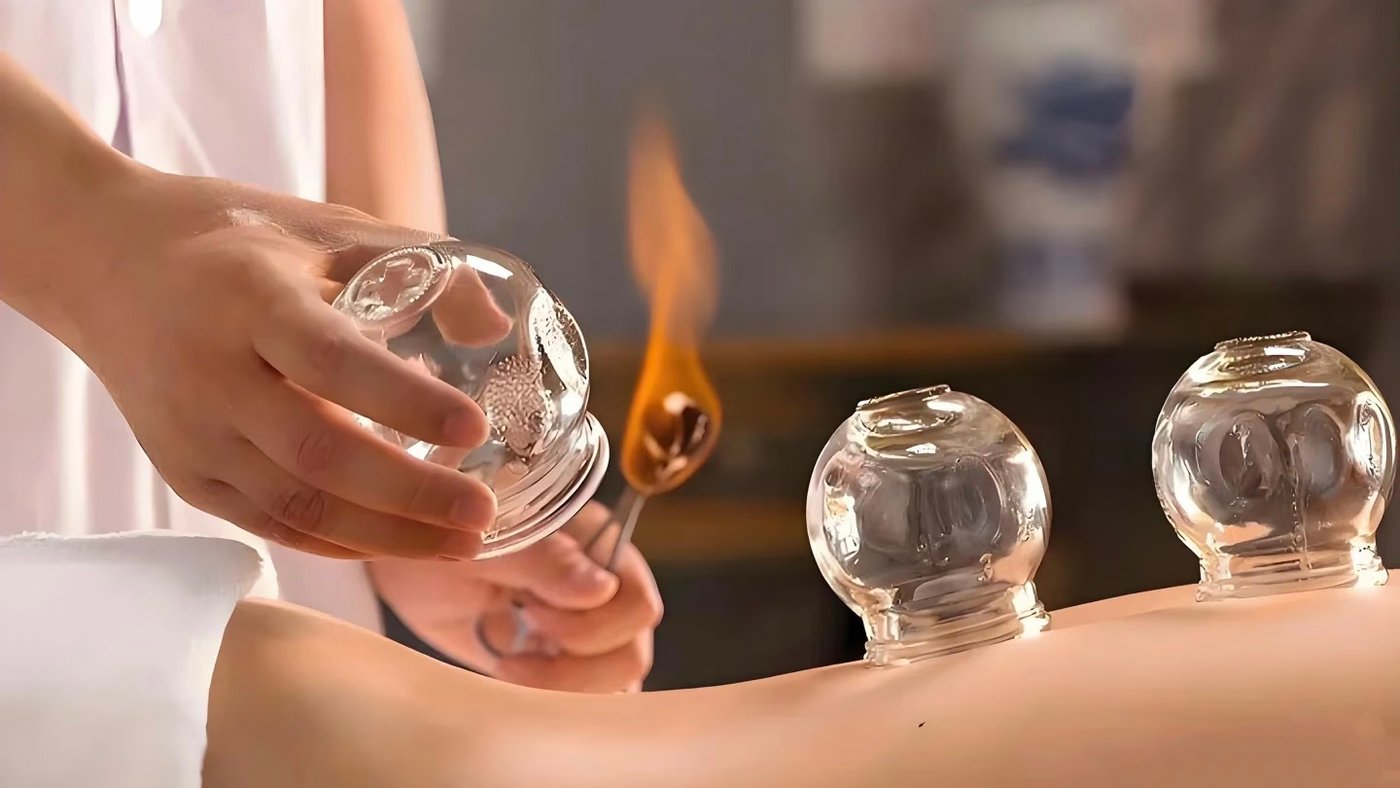
Glass cups are quickly heated with an open flame to create a vacuum, then placed on the skin. The suction draws blood to the surface, and in TCM theory helps pull out stagnation from beneath it.
It's traditionally used for muscle tension, poor circulation and the first signs of a cold. What makes it unique is that it leaves a mark — read almost like a diagnosis.
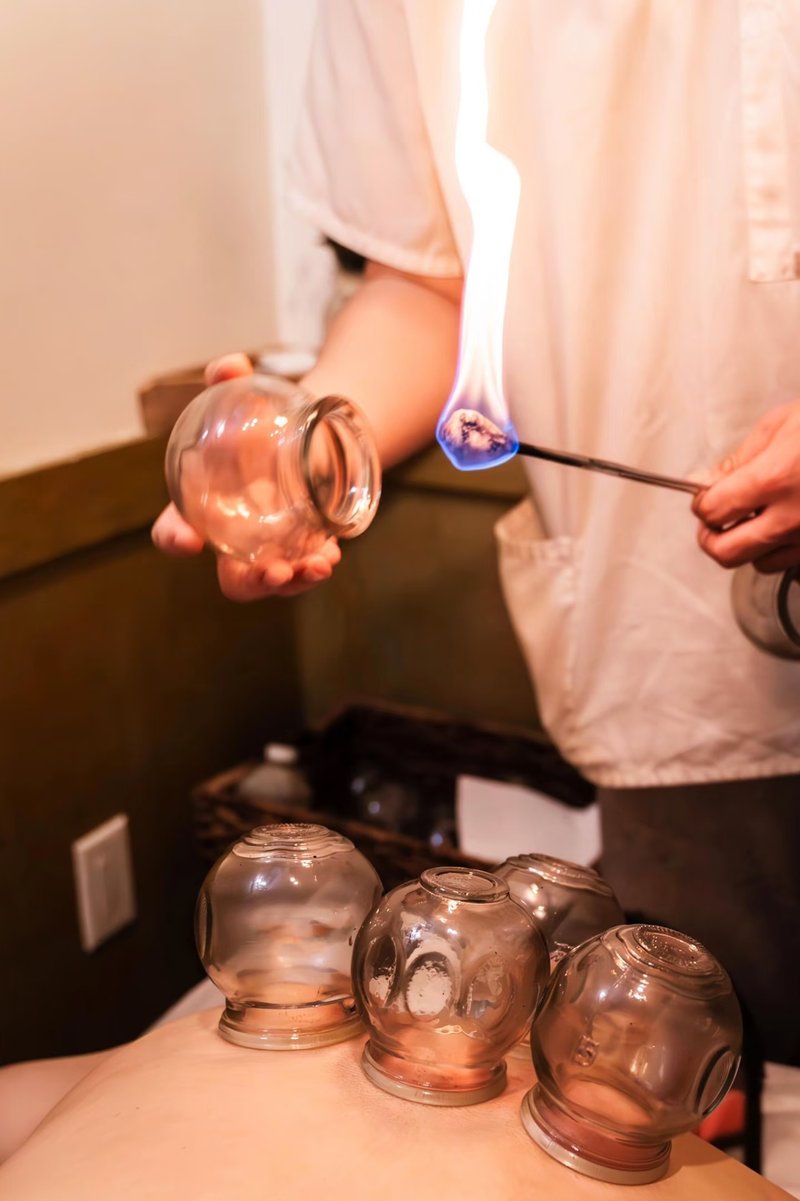
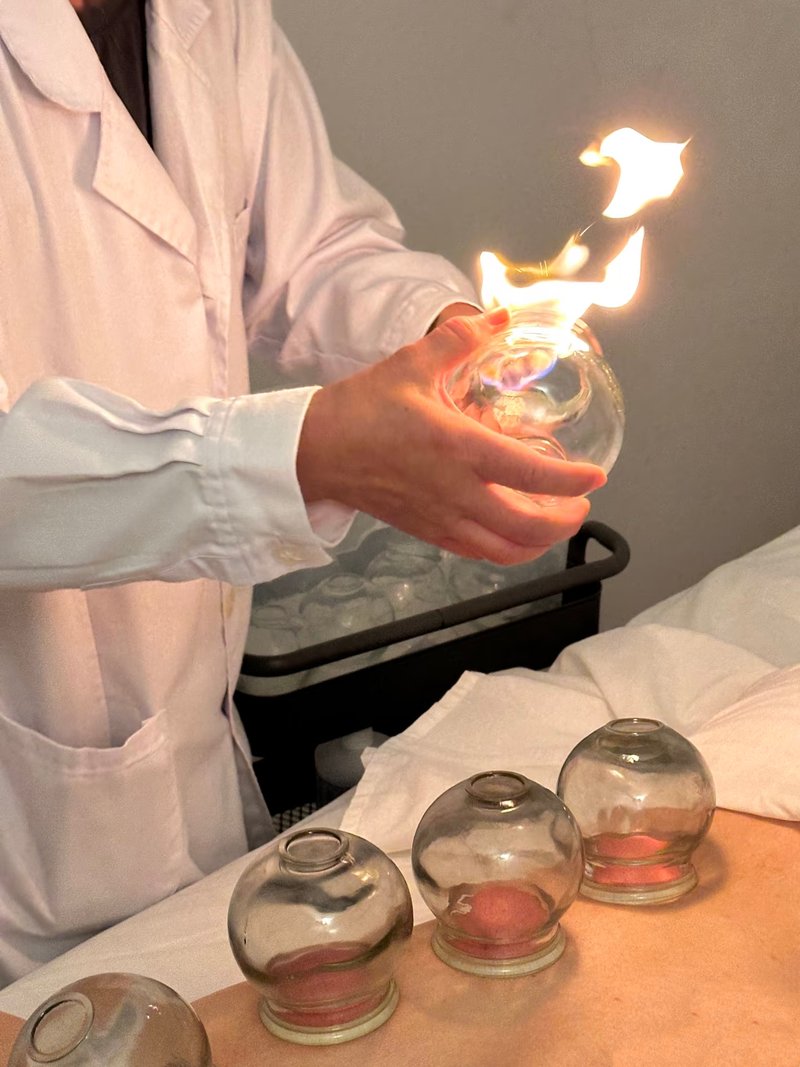
Cupping leaves a distinct round mark, and its color varies from person to person depending on their condition. The color a mark leaves behind — from light pink to deep purple-black — is traditionally read by TCM practitioners as a clue to what's happening beneath the surface.
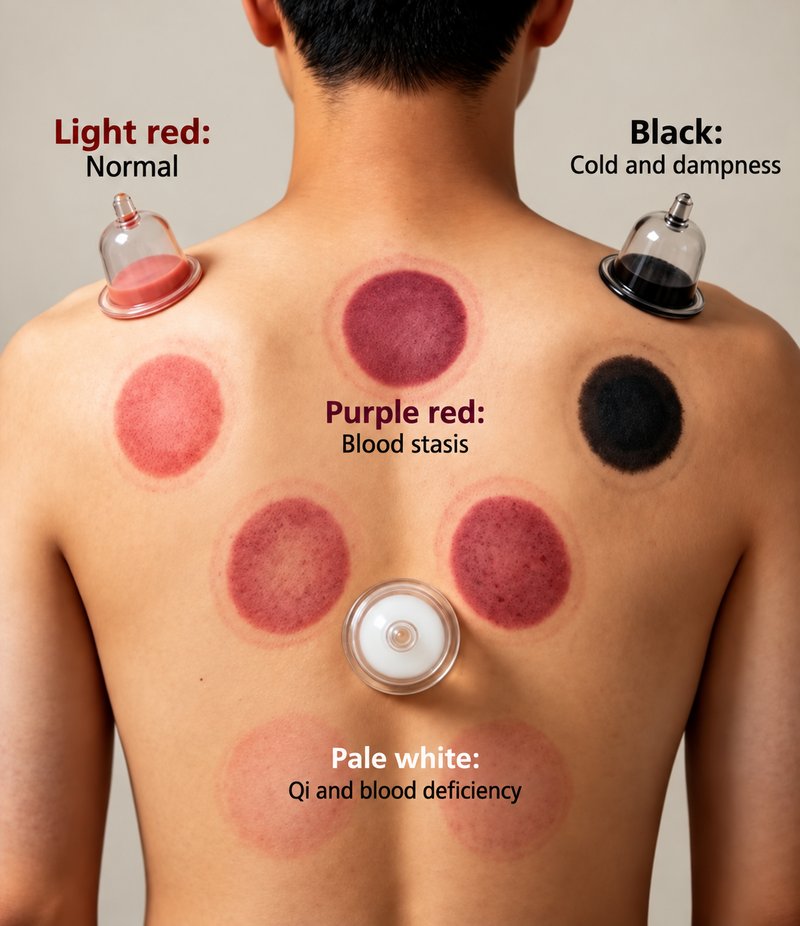
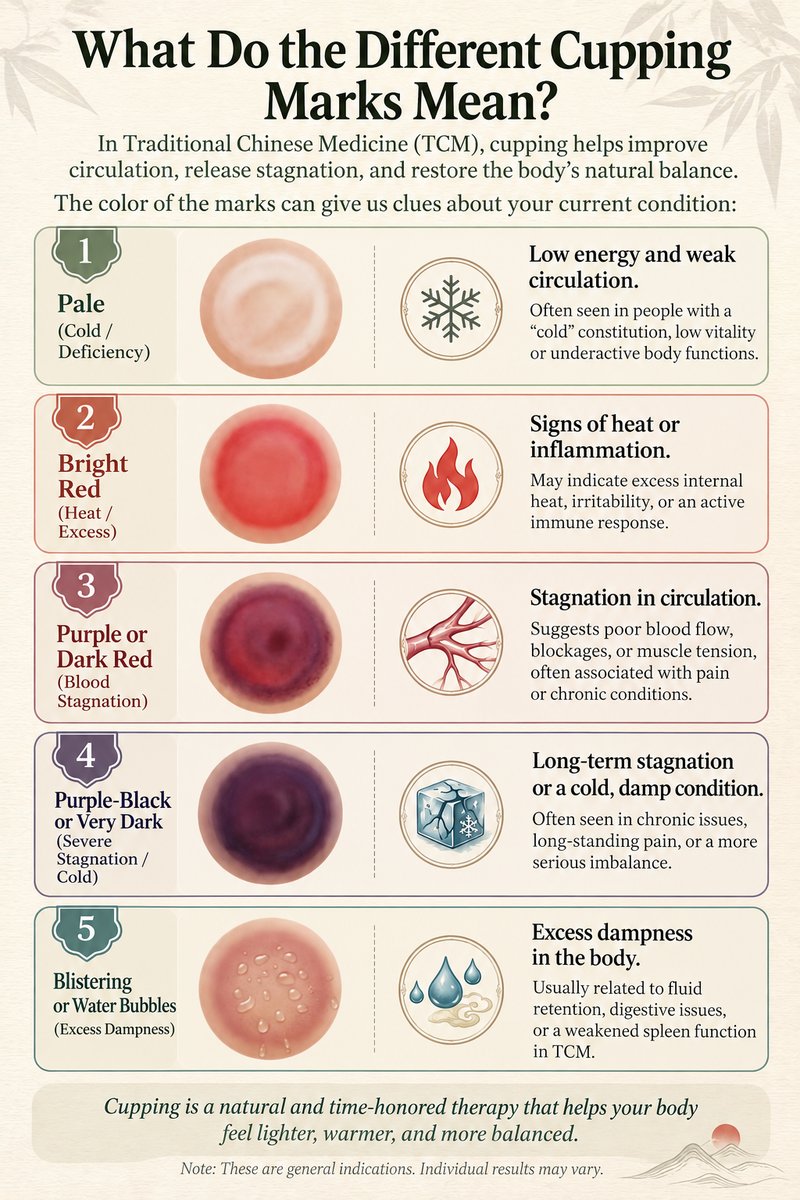
These marks typically fade within a few days to a week and aren't painful the way they might look — most guests say the warm pressure of the cup is the most memorable part, not the mark it leaves.
These experiences are offered as traditional wellness and cultural practices, not medical treatment, and are not a substitute for professional healthcare advice.
Book this as a standalone half-day experience in Chengdu, or add it to any Hidden China itinerary.
Enquire on WhatsApp →