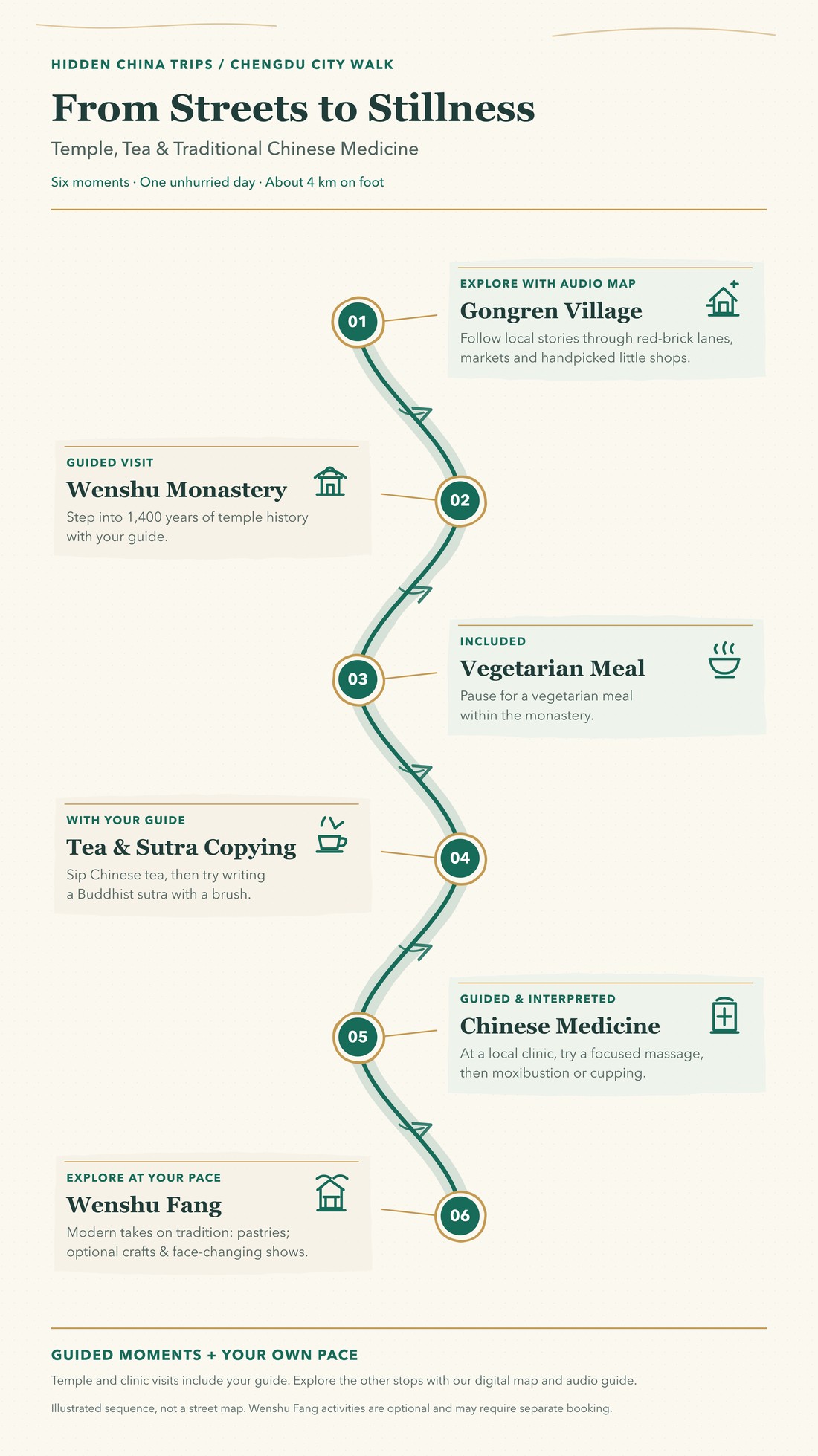
One day — from an old Chengdu neighborhood to a 1,400-year-old temple, where you'll enjoy a vegetarian meal, sip a bowl of tea, and try your hand at copying a Buddhist sutra. Then, just steps from the temple gate, visit a traditional Chinese medicine clinic for a hands-on introduction to the healing practices that have anchored Chinese wellbeing for centuries. This is a city walk through the heart of downtown Chengdu, covering about 4 kilometers on foot.
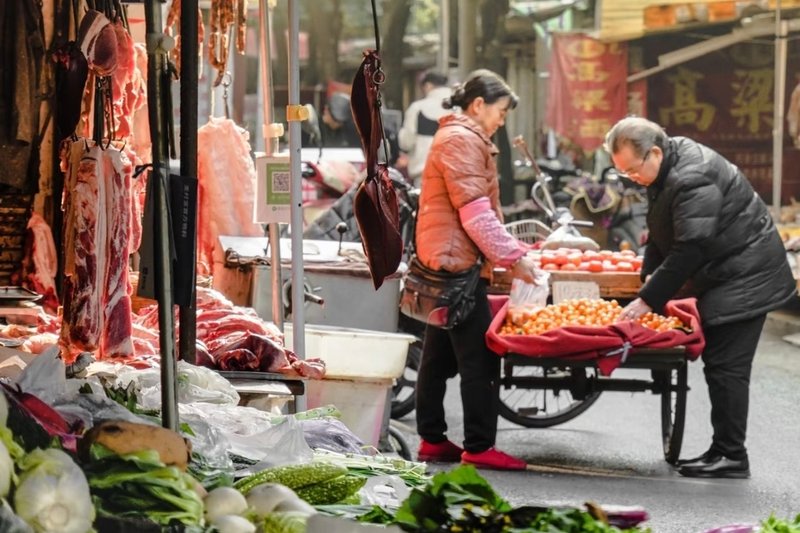
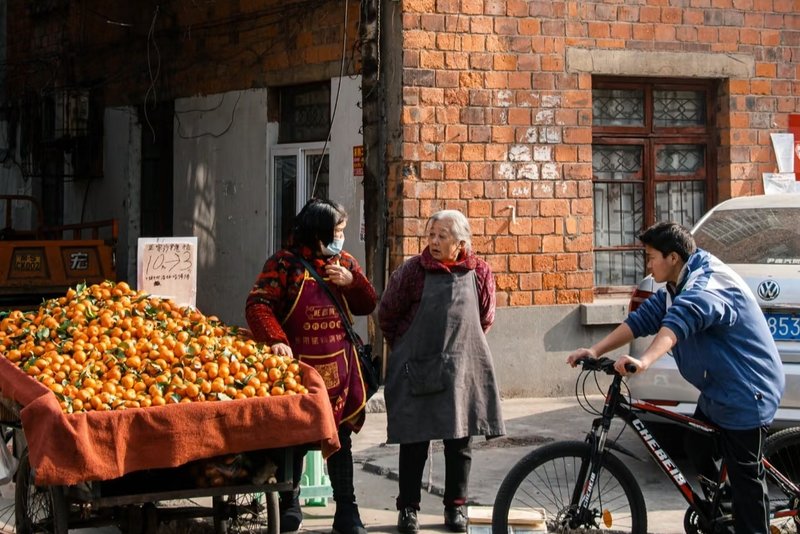
From Gongren Village's everyday bustle — a street market, red-brick blocks, the hum of local life — the road turns into Baima Temple Street and slows down. Grey-tiled old houses, quiet lanes, street names tracing back two thousand years. A 1.2-kilometer walk back in time.
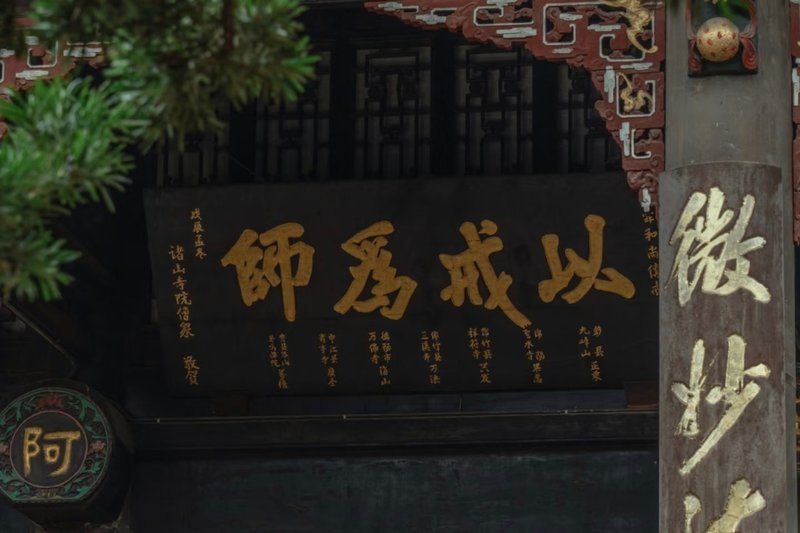
Wenshu Monastery traces back 1,400 years, rebuilt from ashes after a Qing-dynasty monk's legendary vision of Manjushri, the bodhisattva of wisdom. Ten surviving iron Buddhas, two ancient cedars, and a relic fragment linked to the real monk behind Journey to the West — history you can stand in front of.
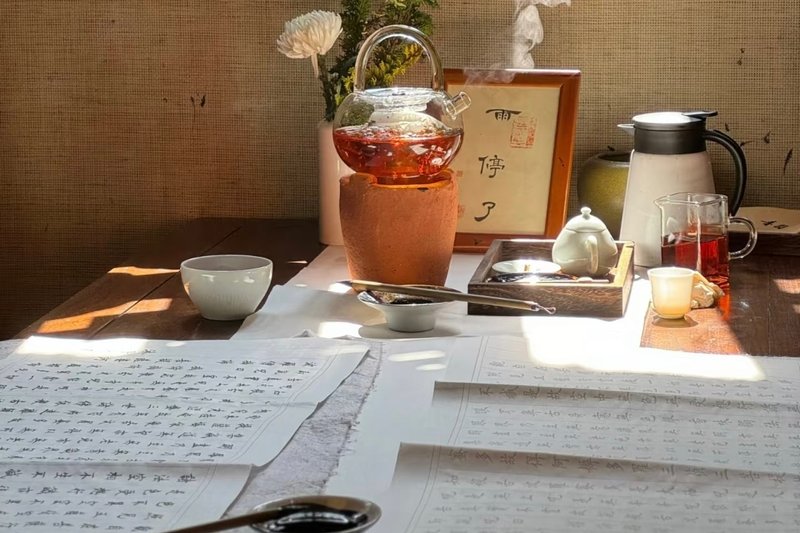
A vegetarian meal, a bowl of tea, a few lines of sutra brushed onto rice paper — the temple's calm settles in through unhurried habit, not ritual. For many Chengdu locals, it's simply a favorite way to spend a slow afternoon.
Steps from the temple gate, traditional massage and moxibustion ease the day's tension while temple incense drifts in. Afterward, wander Wenshu Fang's thousand-year-old market lanes — tea houses, craft stalls, and cafés tucked among grey-tiled rooftops.
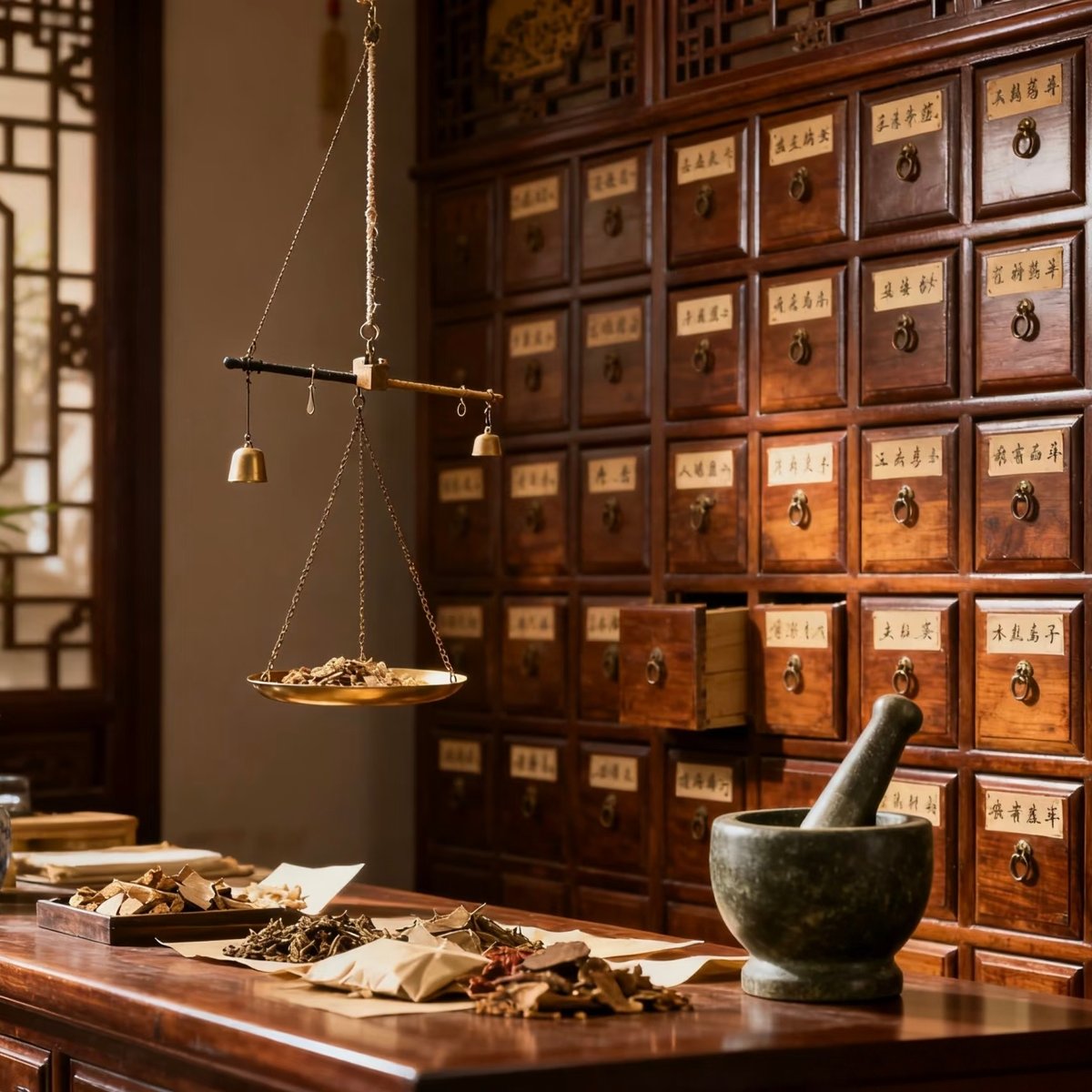
Traditional Chinese medicine speaks of treating illness before it takes hold, of balancing the body's energy long before something feels wrong. The body's meridians work like rivers running through it, and qi like the water they carry — when a channel is blocked, the body grows heavy and sore. Here's how the experience unfolds:
Just steps from Wenshu Monastery's gate is one of Chengdu's most respected traditional Chinese medicine clinics — a place where locals bring their everyday ailments, staffed by well-known practitioners, and visited by travelers from abroad as well. This is TCM practiced at a genuinely professional level, not a tourist stop.
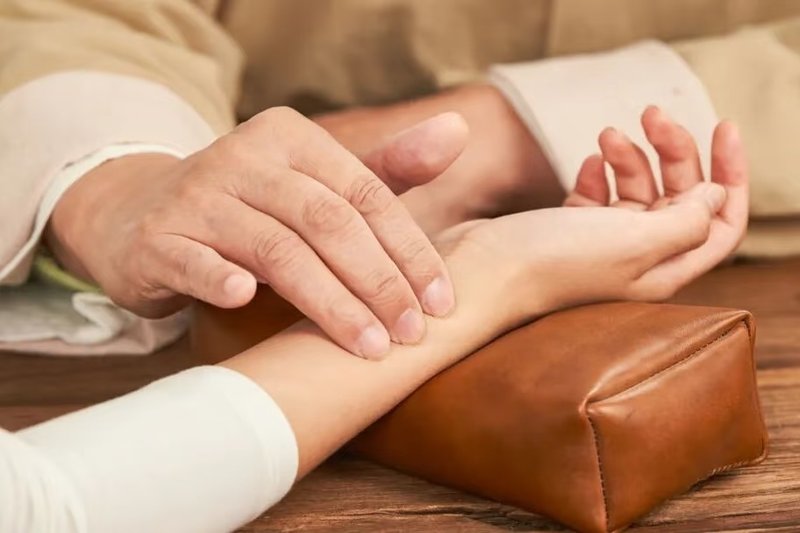
A focused 10-minute massage — choose the head, neck & shoulders, lower back, or legs. Neck & shoulders is the most popular choice among our guests.
A short conversation with the on-site physician about how you're feeling, and a recommendation tailored to you. See our introduction to moxibustion & cupping for more on how each works.
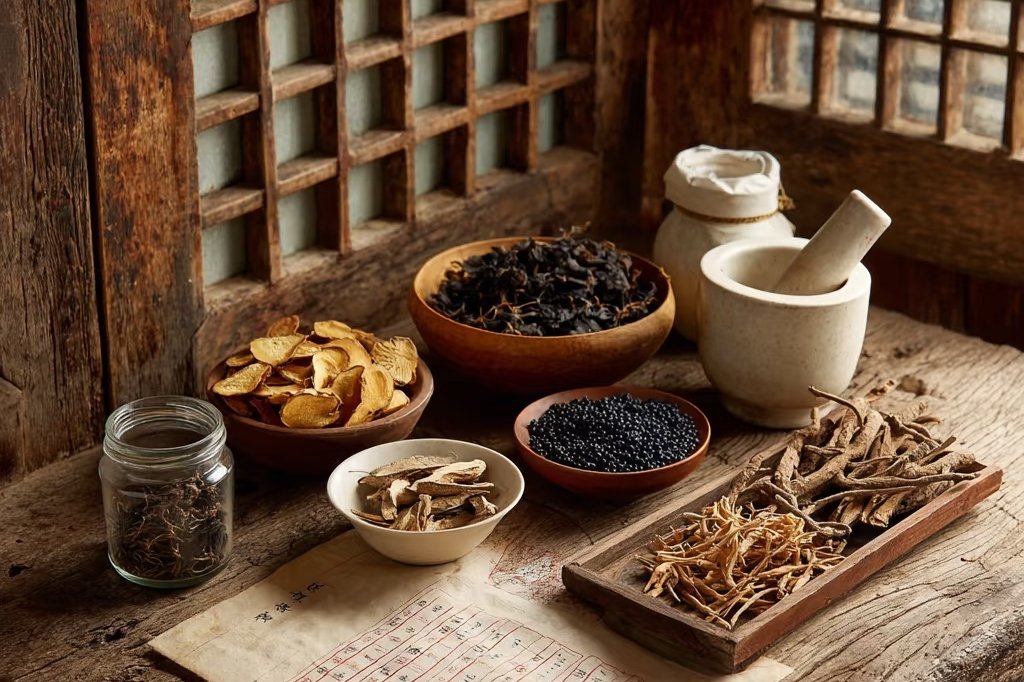
Browse the clinic's herbal pharmacy. Because senior specialists from different fields rotate through the clinic daily, you're welcome to register for a consultation — and even have herbs prescribed — entirely optional, and arranged and paid for directly at the clinic.
Your walk begins in Gongren Village, one of Chengdu's classic old residential quarters. Its brick rowhouses date to 1953, reportedly built for foreign experts who never moved in — the units went to local workers instead, making this one of the city's earliest worker-housing communities. Your guide points out old Chengdu details easy to miss along the way.
Chengdu's best-preserved Buddhist temple, and one of the most active in southwest China. Wenshu Monastery holds close ties to Xuanzang, the Tang-dynasty monk whose real pilgrimage to India inspired Journey to the West, and is even said to house a fragment of his skull relic. Wander its halls at your own pace.
Lunch is vegetarian, a tradition rooted in Buddhist compassion for all living things — and in Sichuan, it means everything from mapo tofu to braised "mock duck," recreated with clever technique instead of meat. Even committed meat-eaters in our groups usually leave surprised by how satisfying it is.
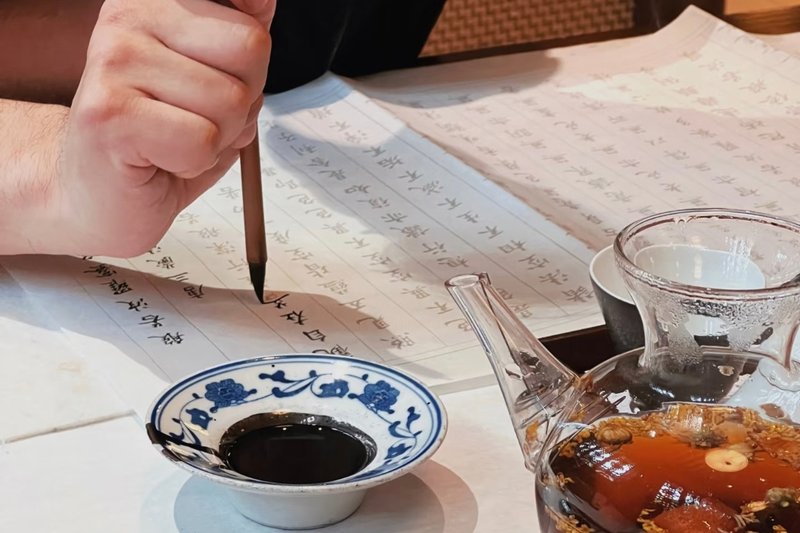
Chengdu's teahouses have long served as the city's living rooms — you'll sit down for tea, then try sutra copying, hand-copying a short Buddhist scripture with brush and ink. The point isn't the finished page; it's the slow, repetitive strokes, a traditional way to quiet a busy mind. No experience needed.
A massage is included for everyone, plus your choice of moxibustion or cupping — decide ahead of time, or on the spot with the doctor. (See "The Heart of the Day" above for more on this clinic.)
The day winds down on this old street just outside the monastery gates, where traditional architecture houses teahouses, snack stalls, and craft shops. Look for Sichuan's intangible cultural heritage crafts, try a local pastry, and — if timing allows — catch a face-changing show, booked separately.
Your guide isn't with you for every step of the day — but exactly where it matters most.
Full interpretation support during your traditional Chinese medicine consultation and treatment.
Storytelling and context inside the temple — its 1,400-year history and the legends behind its name.
Sutra-copying is done with a traditional Chinese brush — your guide will teach you how to hold it and write.
Follow a walk we've carefully planned through old Chengdu, connecting neighborhood life, temple traditions, and Chinese medicine. A guide joins you for the Wenshu Monastery visit and your Chinese medicine experience. Between these guided visits, explore independently with our curated digital map and audio guide. We've marked the places worth stopping at and shared what to look for, why each stop matters, and the stories you might otherwise miss. Follow the route, listen as you go, and spend as much time as you like at each stop—with room to pause for tea, take photos, or simply enjoy the neighborhood.
Your guide accompanies you at Wenshu Monastery and the Chinese medicine clinic. For the rest of the walk, explore at your own pace with our locally curated route map and audio guide—highlighting where to stop, what to look for, and the stories behind each place.
Tell us your preferred dates and group size — we'll confirm availability and send you the full price within a few hours.
Check Dates & Price service@hiddenchinatrips.com